Study reveals source of Remarkable Memory of ‘Superagers’

brain
Greater Neural Differentiation in the Ventral Visual Cortex Is Associated with Youthful Memory in Superaging

As we age, our brains typically undergo a slow process of atrophy, causing less robust communication between various brain regions, which leads to declining memory and other cognitive functions. But a rare group of older individuals called “superagers” have been shown to learn and recall novel information as well as a 25-year-old. Investigators from Massachusetts General Hospital (MGH) have now identified the brain activity that underlies superagers’ superior memory. “This is the first time we have images of the function of superagers’ brains as they actively learn and remember new information,” says Alexandra Touroutoglou, Ph.D...

Read More

New Nanotech will enable a ‘Healthy’ Electric Current production inside the Human Body, researchers report

Fig. 2
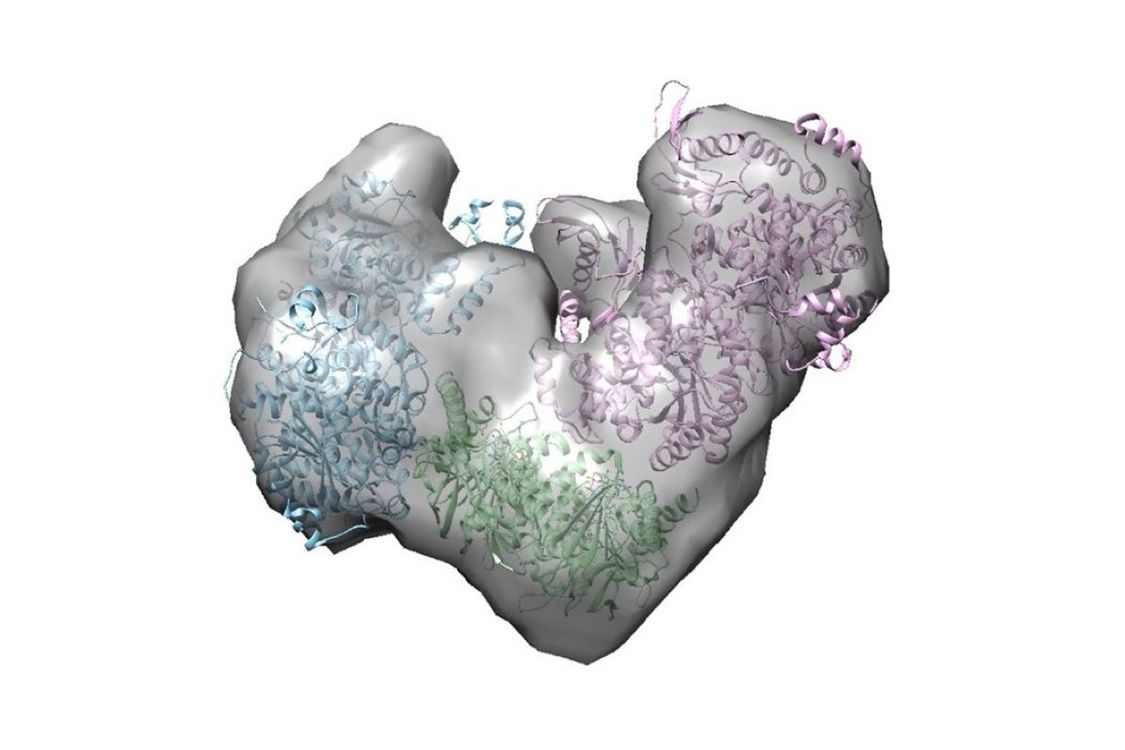
Piezoelectricity of Pro-Phe-Phe and Hyp-Phe-Phe assemblies.

A new nanotechnology development by an international research team led by Tel Aviv University researchers will make it possible to generate electric currents and voltage within the human body through the activation of various organs (mechanical force). The researchers explain that the development involves a new and very strong biological material, similar to collagen, which is nontoxic and causes no harm to the body’s tissues. The researchers believe that this new nanotechnology has many potential applications in medicine, including harvesting clean energy to operate devices implanted in the body (such as pacemakers) through the body’s natural movements, eliminating the need for batteries.

The study was led by Prof...

Read More

Sculpted by Starlight: A Meteorite Witness to the Solar System’s Birth

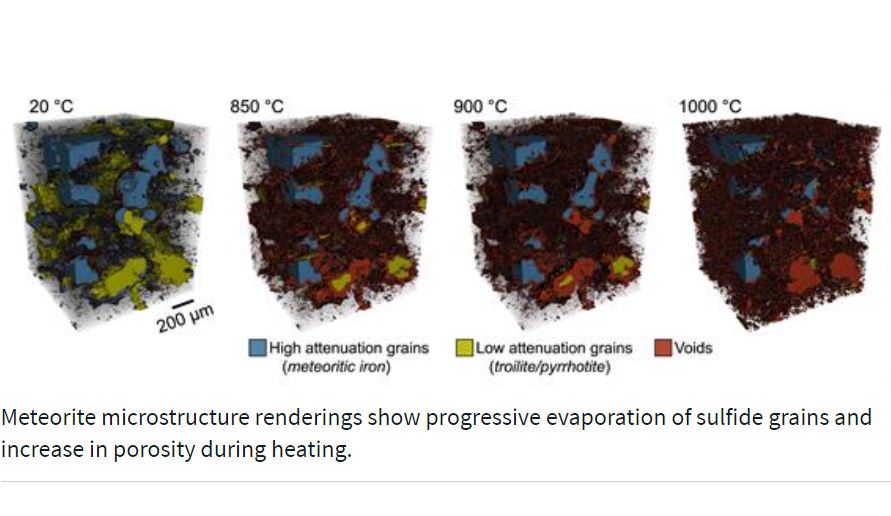
Cosmic symplectite in the meteorite Acfer 094. (Image: Ryan Ogliore , Laboratory for Space Sciences)

Researchers use unusual meteorite to gain insight into our solar system’s past, present. Scientists knew a burst of UV light left its mark on our solar system. Now they know the source of that light.

In 2011, scientists confirmed a suspicion: There was a split in the local cosmos. Samples of the solar wind brought back to Earth by the Genesis mission definitively determined oxygen isotopes in the sun differ from those found on Earth, the moon and the other planets and satellites in the solar system.

Early in the solar system’s history, material that would later coalesce into planets had been hit with a hefty dose of ultraviolet light, which can explain this difference...

Read More

Scientists Rejuvenate Mouse Brains with Ketamine or Flickering Light

Microglia (green) and Perineuronal Net (magenta). © IST Austria

In defining periods of development, the brain re-organizes connections between its neurons more freely than in its adult form. Researchers have now discovered two methods to reopen such plasticity: repeated ketamine anesthesia and non-invasive 60 hertz light flickering. The findings may have the potential to become a therapeutic tool applicable to humans.

Can you remember the smell of flowers in your grandmother’s garden or the tune your grandpa always used to whistle? Some childhood memories are seemingly ingrained into your brain. In fact, there are critical periods in which the brain learns and saves profound cognitive routines and memories. The structure responsible for saving them is called the perineuronal net.

...Read More