
aggregates tagged posts

Tubulin prevents toxic protein clumps in the brain, fighting back against neurodegeneration

Tubulin prevents toxic protein clumps in the brain, fighting back neurodegeneration
WT Tau/αSyn Endogenous Colocalization in Cells and Tau/αSyn/Tubulin Confocal Phase Diagram. Credit: Nature Communications (2026). DOI: 10.1038/s41467-026-69618-3

Researchers at Baylor College of Medicine have discovered a potential new strategy to fight back against Alzheimer’s and Parkinson’s diseases, conditions that are linked to the toxic accumulation of Tau and alpha synuclein protein clumps in the brain. The team reports in Nature Communications that tubulin, the building block of microtubules, the cell’s internal ‘railway tracks,” can stop Tau and alpha synuclein from forming toxic clumps and instead steer them into their normal, healthy roles.

“Tau and alpha synuclein are well known for their roles in neurodegenerative diseases like Alzheimer’s and Parkinson’s...

Read More
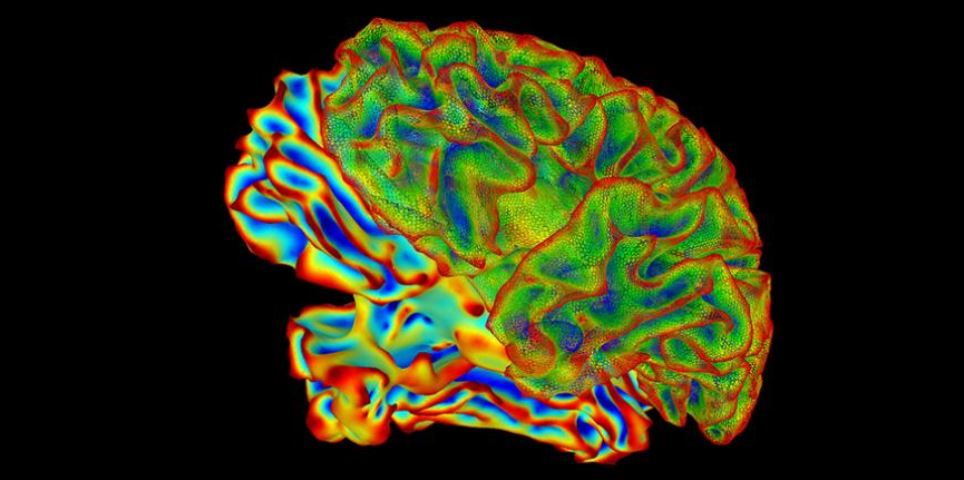
Cause of Alzheimer’s Progression in the Brain

For the first time, researchers have used human data to quantify the speed of different processes that lead to Alzheimer’s disease and found that it develops in a very different way than previously thought. Their results could have important implications for the development of potential treatments.

The international team, led by the University of Cambridge, found that instead of starting from a single point in the brain and initiating a chain reaction which leads to the death of brain cells, Alzheimer’s disease reaches different regions of the brain early. How quickly the disease kills cells in these regions, through the production of toxic protein clusters, limits how quickly the disease progresses overall.

The researchers used post-mortem brain samples from Alzheimer’s pat...

Read More