AI tagged posts

New Tool explains how AI ‘sees’ Images and why it might Mipostake an Astronaut for a Shovel

New tool explains how AI 'sees' images and why it might mistake an astronaut for a shovel

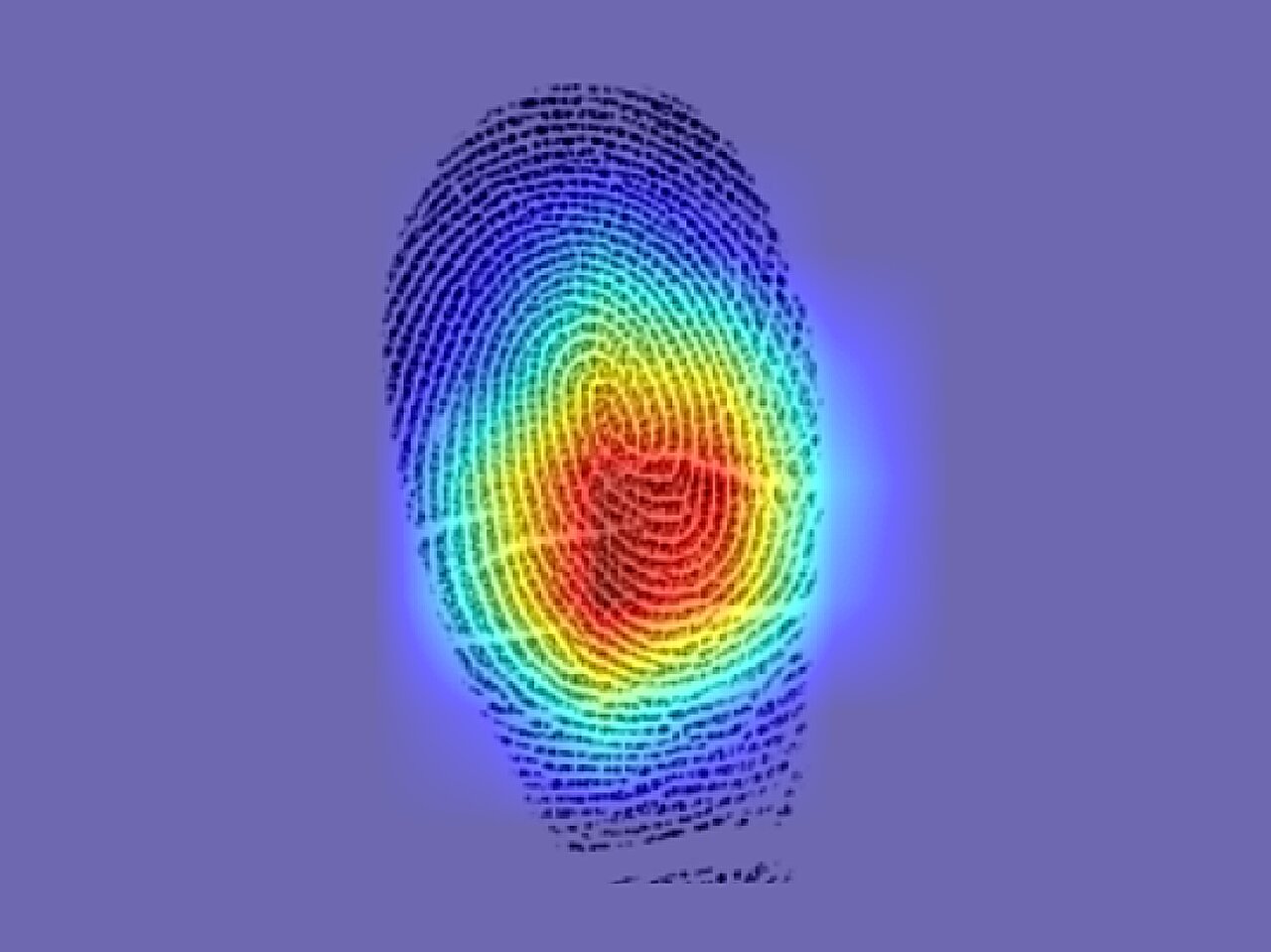
Why is it that artificial intelligence systems can outperform humans on some visual tasks, like facial recognition, but make egregious errors on others—such as classifying an image of an astronaut as a shovel?

Like the human brain, AI systems rely on strategies for processing and classifying images. And like the human brain, little is known about the precise nature of those processes. Scientists at Brown University’s Carney Institute for Brain Science are making strides in understanding both systems, publishing a recent paper that helps to explain computer vision in a way the researchers say is accessible as well as more useful than previous models.

“Both the human brain and the deep neural networks that power AI systems are referred to as black boxes because we don’t know exa...

Read More

AI that uses Sketches to Detect Objects within an Image could Boost Tumor Detection, and Search for Rare Bird Species

Flock of birds - pixabay source

Teaching machine learning tools to detect specific objects in a specific image and discount others is a “game-changer” that could lead to advancements in cancer detection, according to leading researchers from the University of Surrey.

Surrey is set to present its unique sketch-based object detection tool at this year’s Computer Vision, Pattern, and Recognition Conference (CVPR). The tool allows the user to sketch an object, which the AI will use as a basis to search within an image to find something that matches the sketch — while discounting more general options.

Professor Yi-Zhe Song, leads this research at the University of Surrey’s Institute for People-Centred AI. He commented:

“An artist’s sketch is full of individual cues that words cannot convey concisely, reiterating...

Read More

DeepMind achieves Giant Leap in Sorting Speed

Fundamentally different algorithms discovered by AlphaDev. a, A flow diagram of the variable sort 4 (VarSort4) human benchmark algorithm. In this algorithm, a sequence of unsorted numbers are input into the algorithm. If the sequence length is four, three or two numbers, then the corresponding sort 4, sort 3 or sort 2 sorting network is called that sorts the resulting sequence. The result is then returned and output by the function. b, The VarSort4 algorithm discovered by AlphaDev. This algorithm also receives sequences of length four, three or two numbers as input. In this case, if the length is two, then it calls the sort 2 sorting network and returns. If the length is three then it calls sort 3 to sort the first three numbers and returns...
Read More

Can Jack-of-all-Trades AI Reshape Medicine?

Computer screen and physician hands

Researchers chart course for the design, testing, and implementation of next-gen AI in medicine.

Most medical AI models in use today are trained to perform one or two specific tasks and have limited utility. Next-generation AI — called generalist medical AI — incorporates various types of data to perform a variety of complex tasks in a range of clinical scenarios. Generalist medical AI can reshape medicine by augmenting clinical decision-making, real-time surgical and bedside support, and more.

The vast majority of AI models used in medicine today are “narrow specialists,” trained to perform one or two tasks, such as scanning mammograms for signs of breast cancer or detecting lung disease on chest X-rays.

But the everyday practice of medicine involves an endless array of clin...

Read More