ALS tagged posts

Experimental drug reverses paralysis and vision loss in multiple sclerosis model

nerve
Credit: Pixabay/CC0 Public Domain
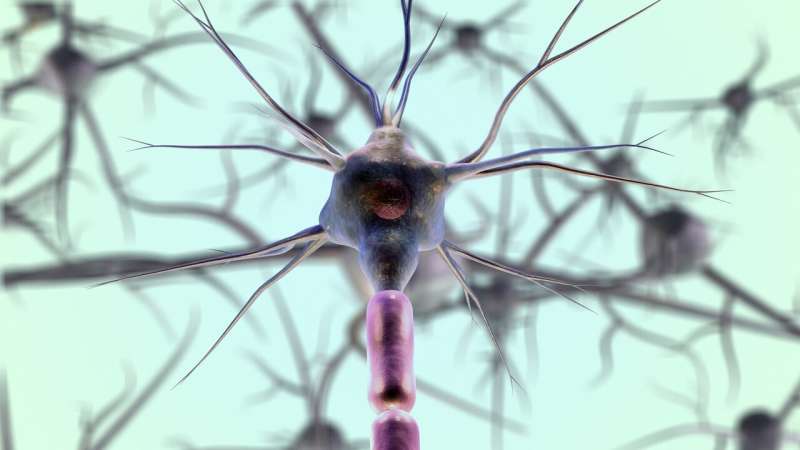
A drug developed by a UVA Health scientist has not only stopped but reversed paralysis and vision loss in a mouse model of multiple sclerosis. The results are striking because existing MS treatments are designed to reduce future inflammatory attacks, not restore neurological function already lost.

A drug developed by a UVA Health scientist has not only stopped but reversed paralysis and vision loss in a mouse model of multiple sclerosis. The results are striking because existing MS treatments are designed to reduce future inflammatory attacks, not restore neurological function already lost.

The research is published in the journal Science Translational Medicine.

The drug, Kamuvudine K-9, is a derivative of HIVdrugs already approved for use in peop...

Read More
Quantum Brain Sensors could be crucial in Spotting Dementia after scientists find they can Track Brain Waves

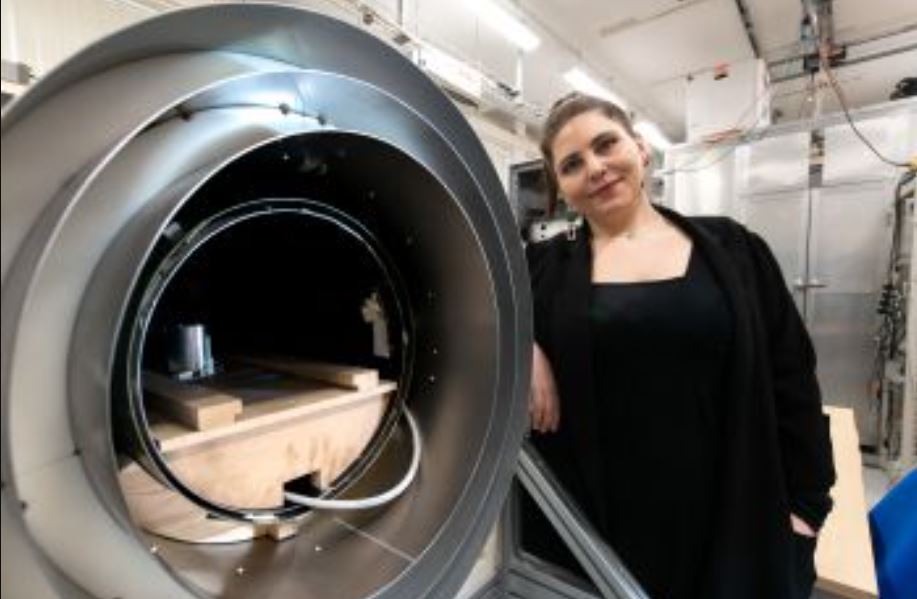
Lead research author Aikaterini Gialopsou with magnetic shield where participant brain signal measurements are taken

New highly sensitive quantum sensors for the brain may in the future be able to identify brain diseases such as dementia, ALS and Parkinson’s, by spotting a slowing in the speed at which signals travel across the brain. The research findings from a paper led by University of Sussex quantum physicists are published in Scientific Reports journal.

The quantum scanners being developed by the scientists can detect the magnetic fields generated when neurons fire. Measuring moment-to-moment changes in the brain, they track the speed at which signals move across the brain...

Read More

Injection of Virus-delivered Gene Silencer blocks ALS Degeneration, Saves Motor Function

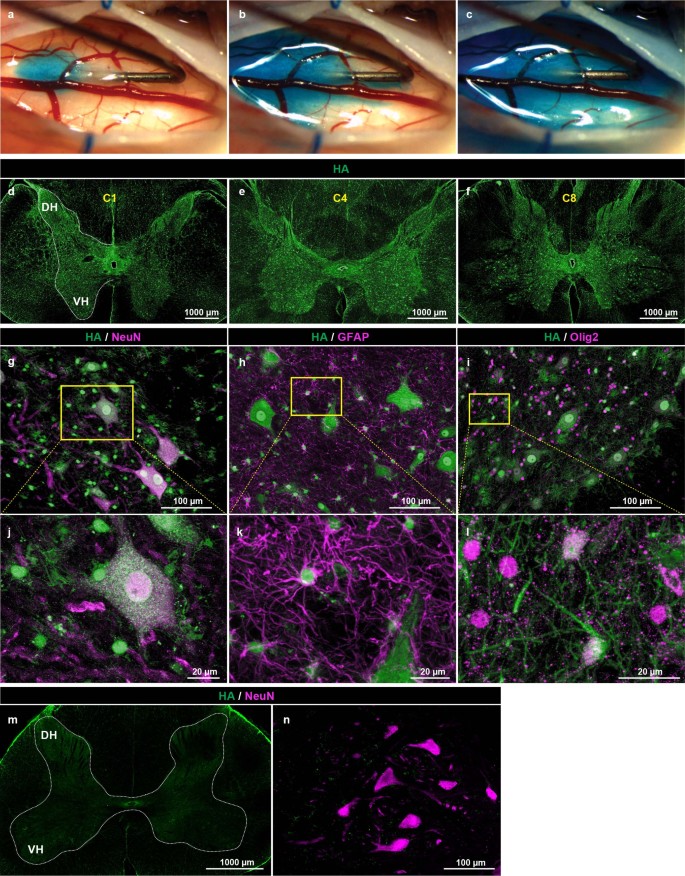
Effective AAV9-encoded gene expression throughout the entire cervical spinal cord of the adult monkey after a single bolus, subpial C3 delivery of AAV9-UBI-Rpl22-3×HA.

Novel spinal therapy/delivery approach prevented disease onset in neurodegenerative ALS disease model in adult mice and blocked progression in animals already showing disease symptoms.

Writing in Nature Medicine, an international team headed by researchers at University of California San Diego School of Medicine describe a new way to effectively deliver a gene-silencing vector to adult amyotrophic lateral sclerosis (ALS) mice, resulting in long-term suppression of the degenerative motor neuron disorder if treatment vector is delivered prior to disease onset, and blockage of disease progression in adult animals if ...

Read More

How the Gut Influences Neurologic Disease

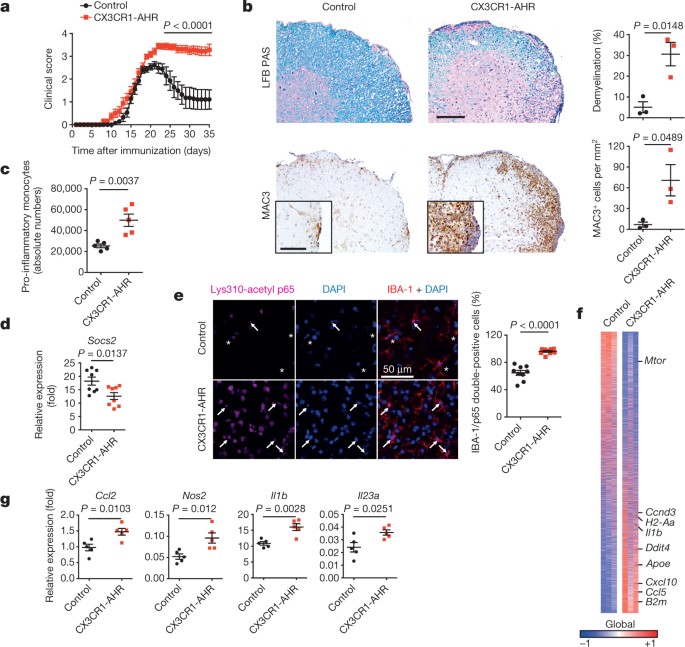
AHR limits microglial pro-inflammatory transcriptional responses during EAE.

AHR limits microglial pro-inflammatory transcriptional responses during EAE.

A study published this week in Nature sheds new light on the connection between the gut and the brain, untangling the complex interplay that allows the byproducts of microorganisms living in the gut to influence the progression of neurodegenerative diseases. Investigators from Brigham and Women’s Hospital (BWH) have been using both animal models and human cells from patients to tease out the key players involved in the gut-brain connection as well as in the crosstalk between immune cells and brain cells. Their new publication defines a pathway that may help guide therapies for multiple sclerosis and other neurologic diseases.

The new research focuses on the influence of gut microbes on two types of cells that play...

Read More