

People who carry the APOE2 version of the apolipoprotein E gene are more likely to live to advanced age and are partly protected against Alzheimer’s disease, but scientists have struggled to explain why...
Read More

May 19, 2026,
 Health/Medical, Biology/Biotechnology
People who carry the APOE2 version of the apolipoprotein E gene are more likely to live to advanced age and are partly protected against Alzheimer’s disease, but scientists have struggled to explain why...
Read More
February 24, 2023,
Health/Medical, Biology/Biotechnology
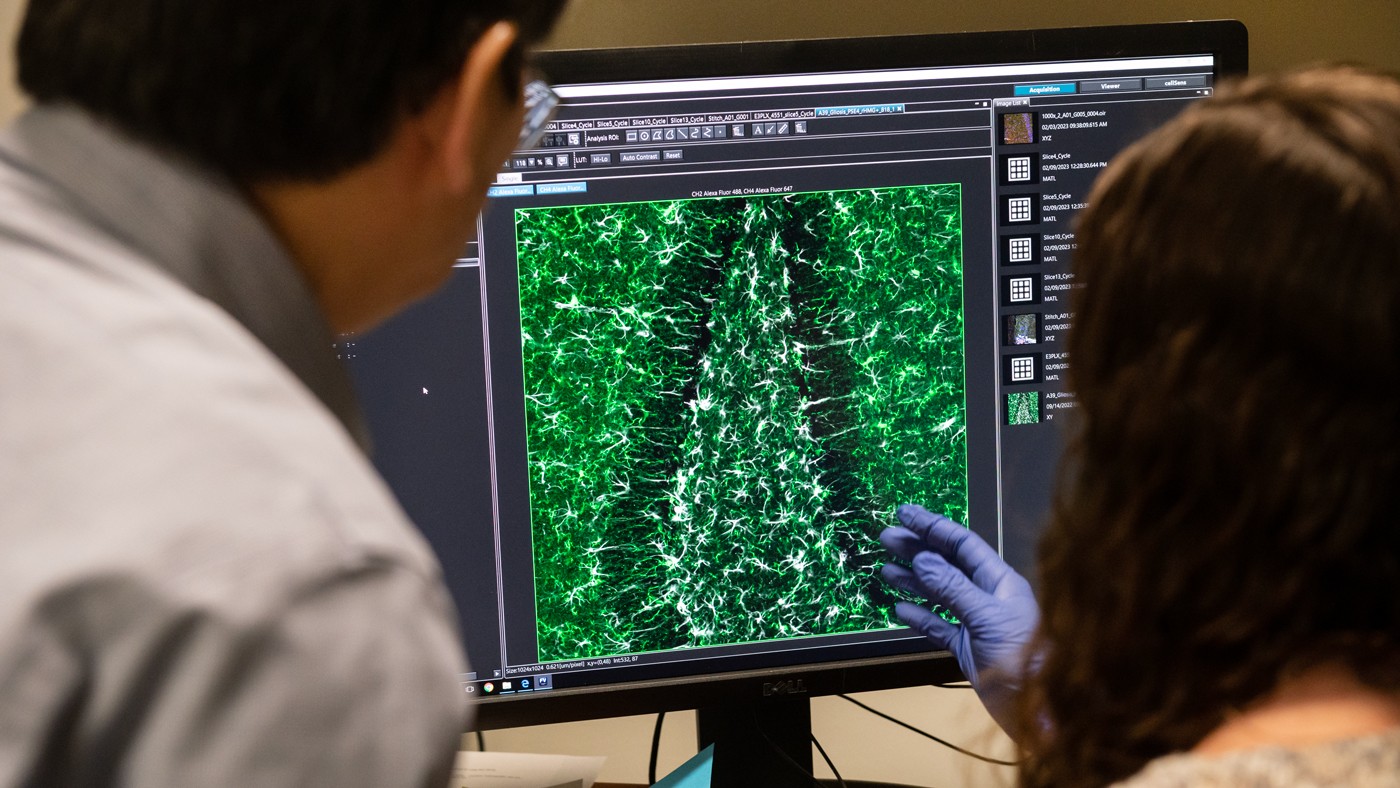
Of all the known genetic risk factors for late-onset Alzheimer’s disease, the strongest is a gene for the protein called ApoE4. People with one copy of this gene are 3.5 times more likely, on average, to develop Alzheimer’s than others, and those with two copies face a 12-fold increased risk. However, exactly how ApoE4 boosts the risk of Alzheimer’s remains unclear.
Multiple types of cells in the brain make ApoE4—some of it is produced by neurons, but other brain cells called glia make it in higher quantities. For that reason, most prior research on this protein has focused on ApoE4 from glia.
Now, researchers at G...
Read More
September 27, 2022,
Health/Medical, Biology/Biotechnology

Because three percent of the world population possesses these gene variants, the findings may have implications for hundreds of millions of individuals around the world
It may be the most baffling quirk of COVID: What manifests as minor, flu-like symptoms in some individuals spirals into severe disease, disability, and even death in others. A new paper published in Nature may explain the genetic underpinnings of this dichotomy.
The researchers demonstrated that mice with gene variants previously linked to Alzheimer’s disease were at greater risk of dying when infected with COVID. And a retrospective analysis suggests that patients with those same gene variants were more likely to have died of COVID throughout the pandemic...
Read More
January 4, 2022,
Health/Medical, Biology/Biotechnology
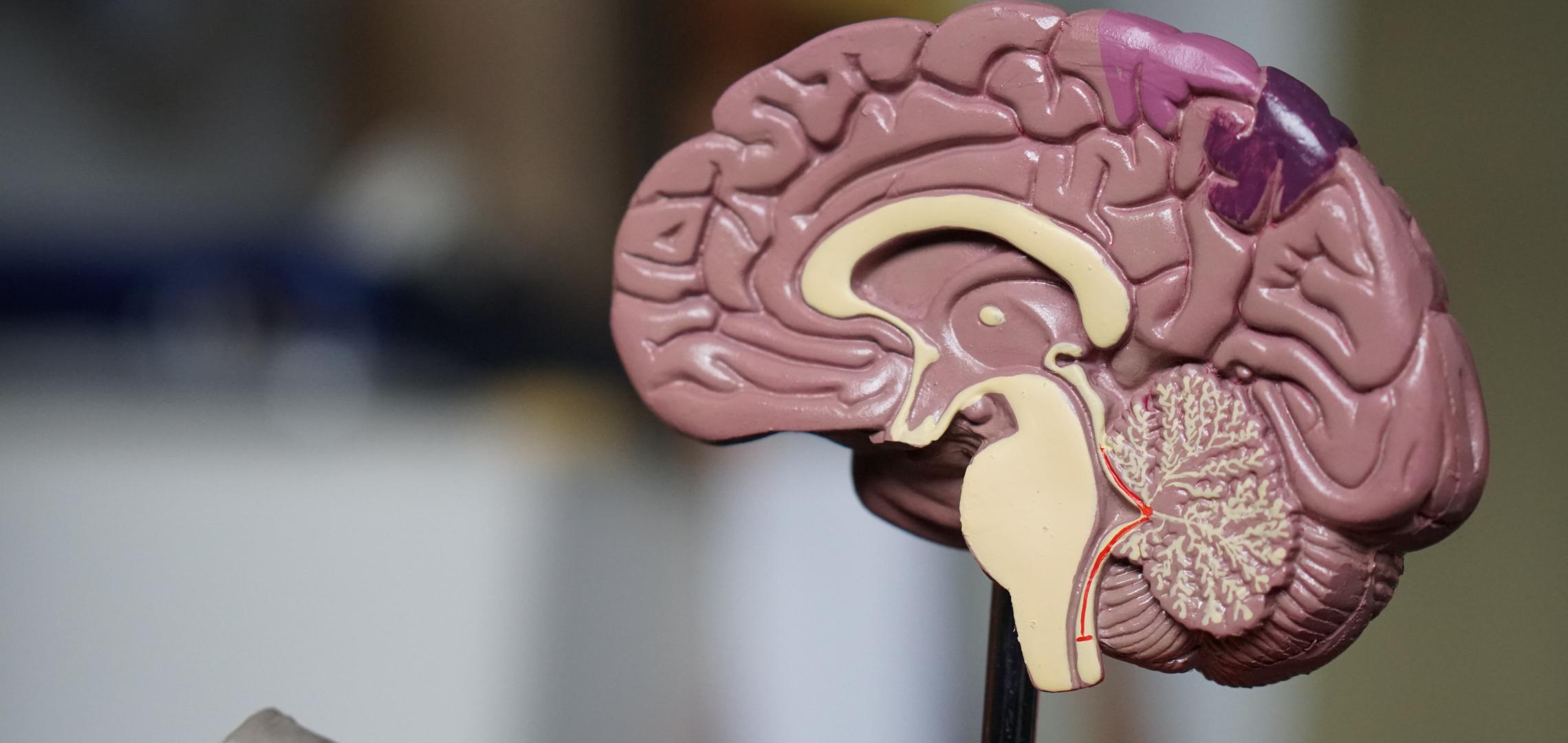
Researchers have discovered that gene variants associated with risk of developing Alzheimer’s disease disturb the brain’s natural protective mechanism against the condition.
The brain has a natural protective mechanism against Alzheimer’s disease, and researchers at Baylor College of Medicine, Texas Children’s Hospital and collaborating institutions have discovered that gene variants associated with risk of developing the disease disturb the protective mechanism in ways that can lead to neurodegeneration. The researchers also showed in a fruit fly model of the condition that a chemical known as ABCA1 agonist can restore certain alterations of the brain protective mechanism.
The team reveals evidence supporting reactive oxygen species (ROS), natural byproducts of cellular metabol...
Read More
Recent Comments