



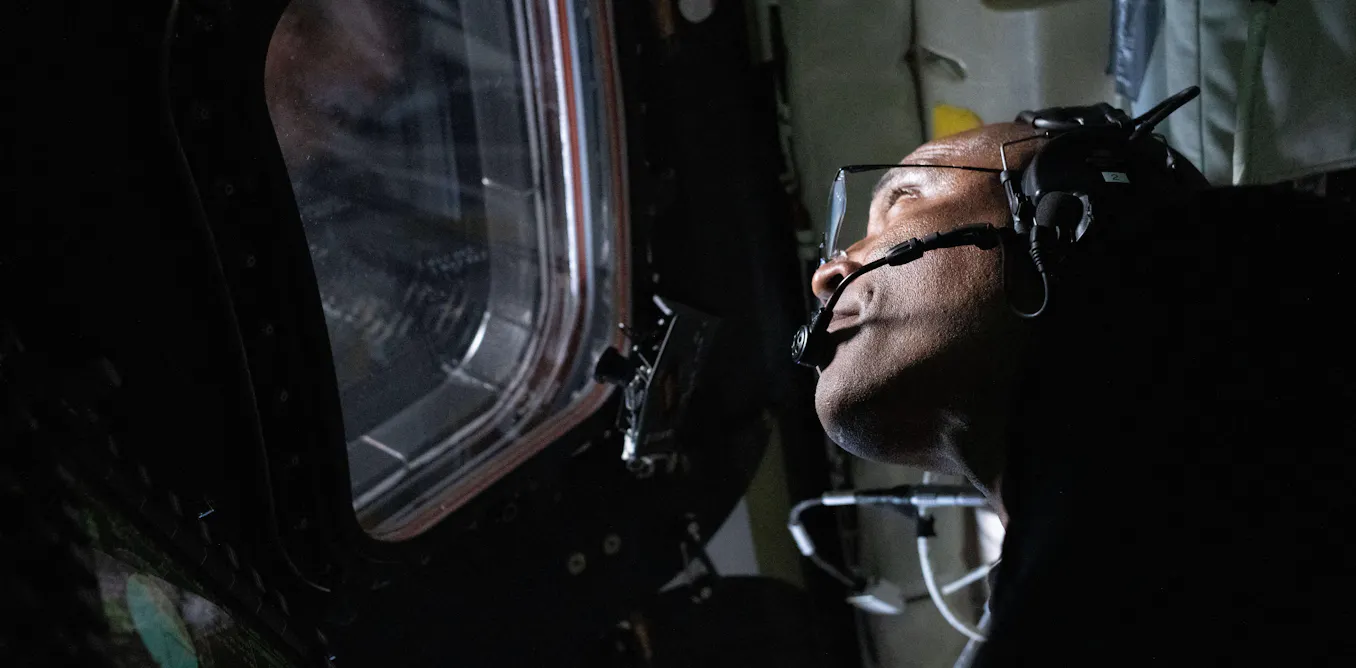
On Earth, most of us rarely have to think about the signals that keep our internal clocks aligned. The sun rises, daylight changes, darkness arrives and morning comes again.
Our bodies have evolved alongside this roughly 24-hour cycle. Light is one of the strongest signals our bodies use to synchronize the circadian clock. But what happens when the sun no longer provides a reliable schedule?
A spacecraft orbits Earth roughly every 90 minutes, so astronauts experience about 16 sunrises and sunsets every 24 hours. They cannot go to sleep every time the sun disappears—but their bodies still need to know when it is time to sleep, wake, eat, exercise and work.
This makes spaceflight more than just an engineering cha...
Read More
Recent Comments