artificial intelligence tagged posts

Researchers use Artificial Intelligence to Predict Cardiovascular Disease

Researchers use artificial intelligence to predict cardiovascular disease
Study design, workflow, and bioinformatics. Overall research methodology includes, (1) clinical data analysis; (2) cohort building; (3) cardiovascular disease-based sample collection; (4) sample management and tracking; (5) RNA extraction, and high-throughput sequencing; (6) pipeline and bioinformatics application development for RNA-seq data processing, quality checking, gene-disease annotation, and phenotyping; and (7) implementation of artificial intelligence and machine learning techniques for predictive analysis. Credit: Genomics (2023). DOI: 10.1016/j.ygeno.2023.110584

Researchers may be able to predict cardiovascular disease — such as arterial fibrillation and heart failure — in patients by using artificial intelligence (AI) to examine the genes in their DNA, according to a new ...

Read More

Researchers focus AI on Finding Exoplanets

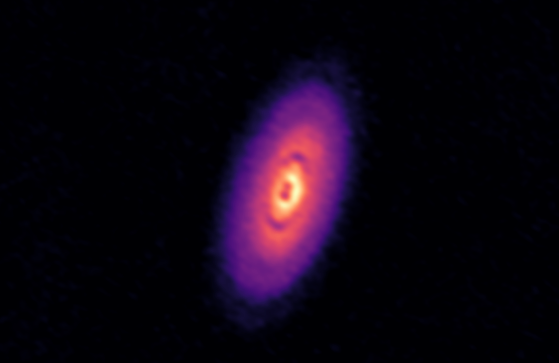
Three young planets in orbit around an infant star known as HD 163296 (Photo credit: NRAO/AUI/NSF; S. Dagnello)

New research from the University of Georgia reveals that artificial intelligence can be used to find planets outside of our solar system. The recent study demonstrated that machine learning can be used to find exoplanets, information that could reshape how scientists detect and identify new planets very far from Earth.

“One of the novel things about this is analyzing environments where planets are still forming,” said Jason Terry, doctoral student in the UGA Franklin College of Arts and Sciences department of physics and astronomy and lead author on the study...

Read More

New Software based on Artificial Intelligence helps to Interpret Complex Data

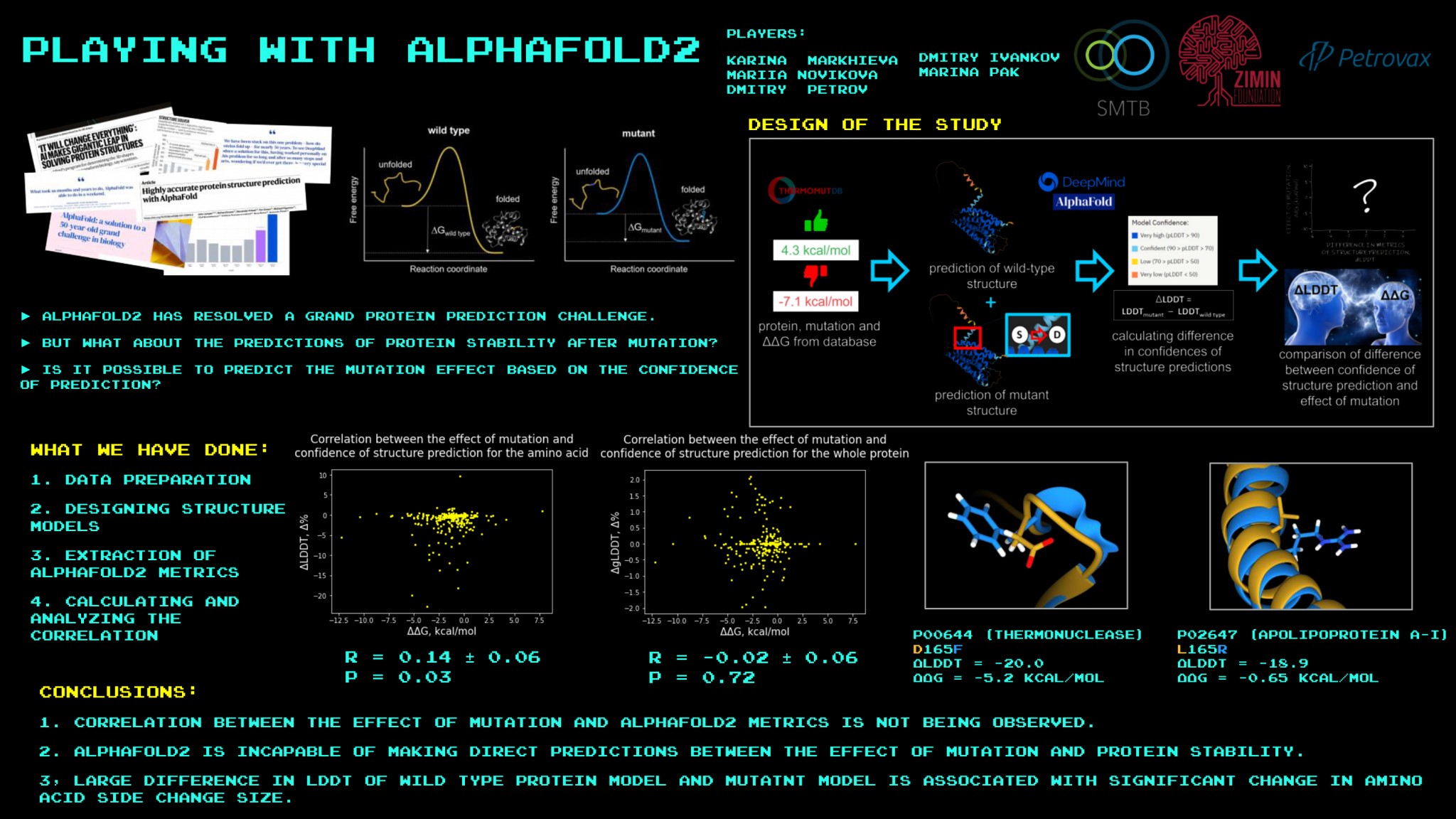
Scientific Reports (2022): Unsupervised realworld knowledge extraction via disentangled variational autoencoders for photon diagnostics
Gregor Hartmann, Gesa Goetzke, Stefan Düsterer, Peter FeuerForson, Fabiano Lever, David Meier, Felix Möller, Luis Vera Ramirez, Markus Guehr, Kai Tiedtke, Jens Viefhaus & Markus Braune
DOI: 10.1038/s41598-022-25249-4

Experimental data is often not only highly dimensional, but also noisy and full of artefacts. This makes it difficult to interpret the data. Now a team at HZB has designed software that uses self-learning neural networks to compress the data in a smart way and reconstruct a low-noise version in the next step. This enables to recognise correlations that would otherwise not be discernible...

Read More

Designing and Programming Living Computers

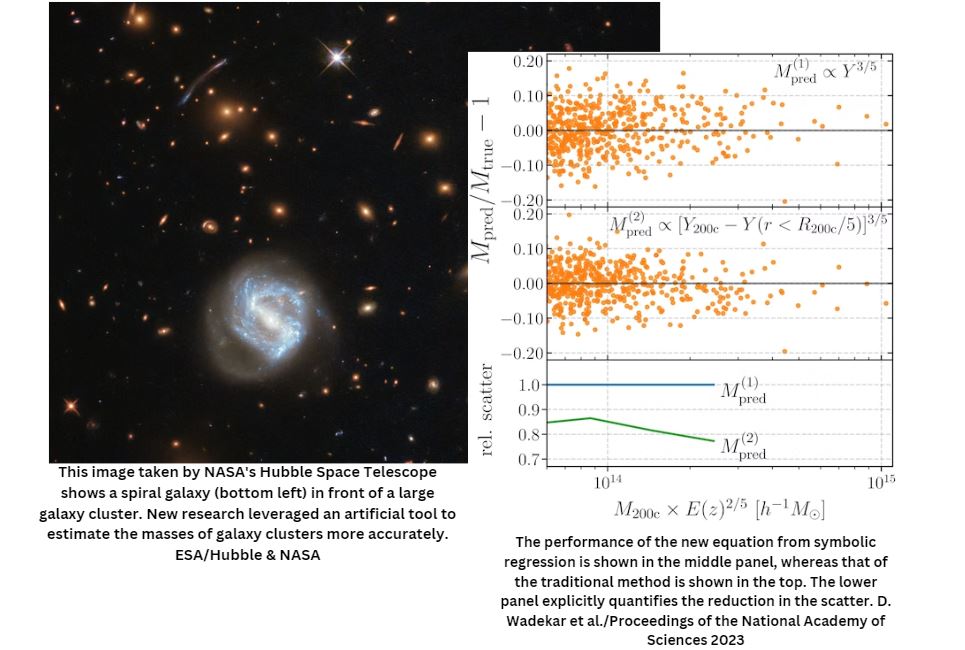
Conceptual illustration: bacterial cells as artificial neural circuits

Transforming bacterial cells into living artificial neural circuits; applications include biomanufacturing and therapeutics. Bringing together concepts from electrical engineering and bioengineering tools, Technion and MIT scientists collaborated to produce cells engineered to compute sophisticated functions – “biocomputers” of sorts. Graduate students and researchers from Technion – Israel Institute of Technology Professor Ramez Daniel’s Laboratory for Synthetic Biology & Bioelectronics worked together with Professor Ron Weiss from the Massachusetts Institute of Technology to create genetic “devices” designed to perform computations like artificial neural circuits...

Read More