Asteroid tagged posts

Japan space probe skims asteroid in test for planetary defense

asteroid (Dimorphos)
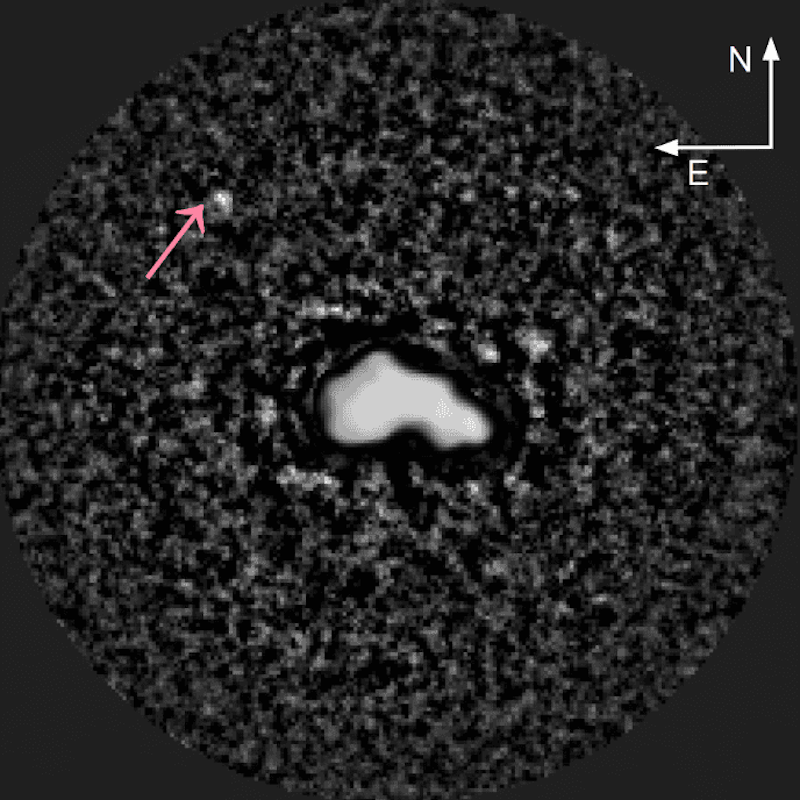
This high-resolution view of Dimorphos was created by combining the final 10 full-frame images obtained by DART’s Didymos Reconnaissance and Asteroid Camera for Optical navigation (DRACO) and layering the higher-resolution images on top of the lower-resolution ones. Dimorphos is oriented so that its north pole is toward the top of the image. Credit: Public Domain

A Japanese space probe performed a flyby of a near-Earth asteroid on Sunday in a test mission for technology that could help protect the planet from space rocks.

The fridge-sized Hayabusa2 was due to fly within 800 meters (0...

Read More

Move over Mercury—Chiron is in retrograde: What even is Chiron?

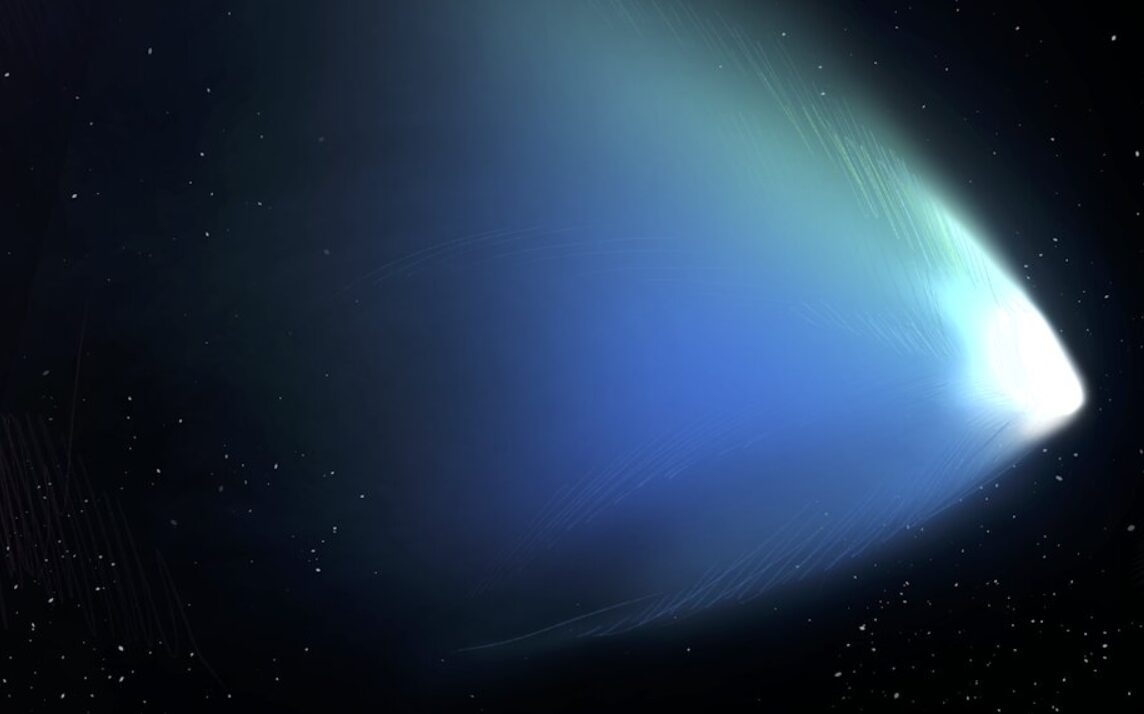
An artist’s impression of Chiron and its coma of gas. William Gonzalez Sierra / UCF

You might have seen an interesting phrase popping up in your social media feeds lately: “Chiron is in retrograde.” If you’re anything like me, you’ve never heard of Chiron before—and I’m a professional astronomer.

So what is Chiron, and what does it mean to be in retrograde? The short answer is that Chiron is an asteroid-slash-comet orbiting somewhere past Jupiter and Saturn. And until January 2026, it’s going to look like it’s going backwards in the sky. If you can spot it.

But there’s a bit more to the story.

What is Chiron?
Chiron’s official name is (2060) Chiron. First things first: it’s pronounced “kai-ruhn,” with a hard K sound.

It was discovered by astronomer Charles Kowal in 1977...

Read More

Nuking a Huge Asteroid could Save Earth, Lab Experiment Suggests

A big asteroid could threaten life on Earth -- but nuclear bombs could come to the rescue, a new laboratory experiment suggests
A big asteroid could threaten life on Earth — but nuclear bombs could come to the rescue, a new laboratory experiment suggests.

The biggest real-life test of our planetary defenses was carried out in 2022, when NASA’s fridge-sized DART spacecraft smashed into a 160-metre (525-feet) wide asteroid, successfully knocking it well off course.

But for bigger asteroids, merely crashing spaceships into them will probably not do the trick.

When the roughly 10-kilometer wide Chicxulub asteroid struck the Yucatan peninsula around 66 million years ago, it is believed to have plunged Earth into darkness, sent kilometers-high tsunamis rippling around the globe and killed three quarters of all life—including wiping out the dinosaurs.

We humans are hoping to avoid a similar fate.

The...

Read More

Japan space agency finds ample Soil, Gas from Asteroid

This Dec. 14, 2020, photo released by the Japan Aerospace Exploration Agency (JAXA), shows black grains, right, thought to be from Ryugu are inside the sample container of the re-entry capsule of Hayabusa2, in Sagamihara, near Tokyo. Japan’s space agency said Monday it has confirmed the presence of black soil samples inside a capsule that the spacecraft Hayabusa2 brought back from a distant asteroid last week. (JAXA via AP)

Officials from Japan’s space agency said Tuesday they have found more than the anticipated amount of soil and gases inside a small capsule the country’s Hayabusa2 spacecraft brought back from a distant asteroid this month, a mission they praised as a milestone for planetary research.

The Japan Aerospace Exploration Agency said its staff initially spotted some bla...

Read More