
Biomarkers tagged posts

Sweat Science: Engineers detect Health Markers in Thread-based, Wearable Sweat Sensors

Lactate curve from sweat sensor
Lactate curve from sweat sensor during exercise

Real-time measurement of electrolytes and metabolites could be used to diagnose and monitor disease or track performance. Engineers at Tufts University have created a first-of-its-kind flexible electronic sensing patch that can be sewn into clothing to analyze your sweat for multiple markers. The patch could be used to to diagnose and monitor acute and chronic health conditions or to monitor health during athletic or workplace performance. The device, described today in the journal NPJ Flexible Electronics, consists of special sensing threads, electronic components and wireless connectivity for real time data acquisition, storage and processing.

Typical consumer health monitors can track heart rate, temperature, glucose, walking distan...

Read More
Milestone for the Early Detection of Sepsis

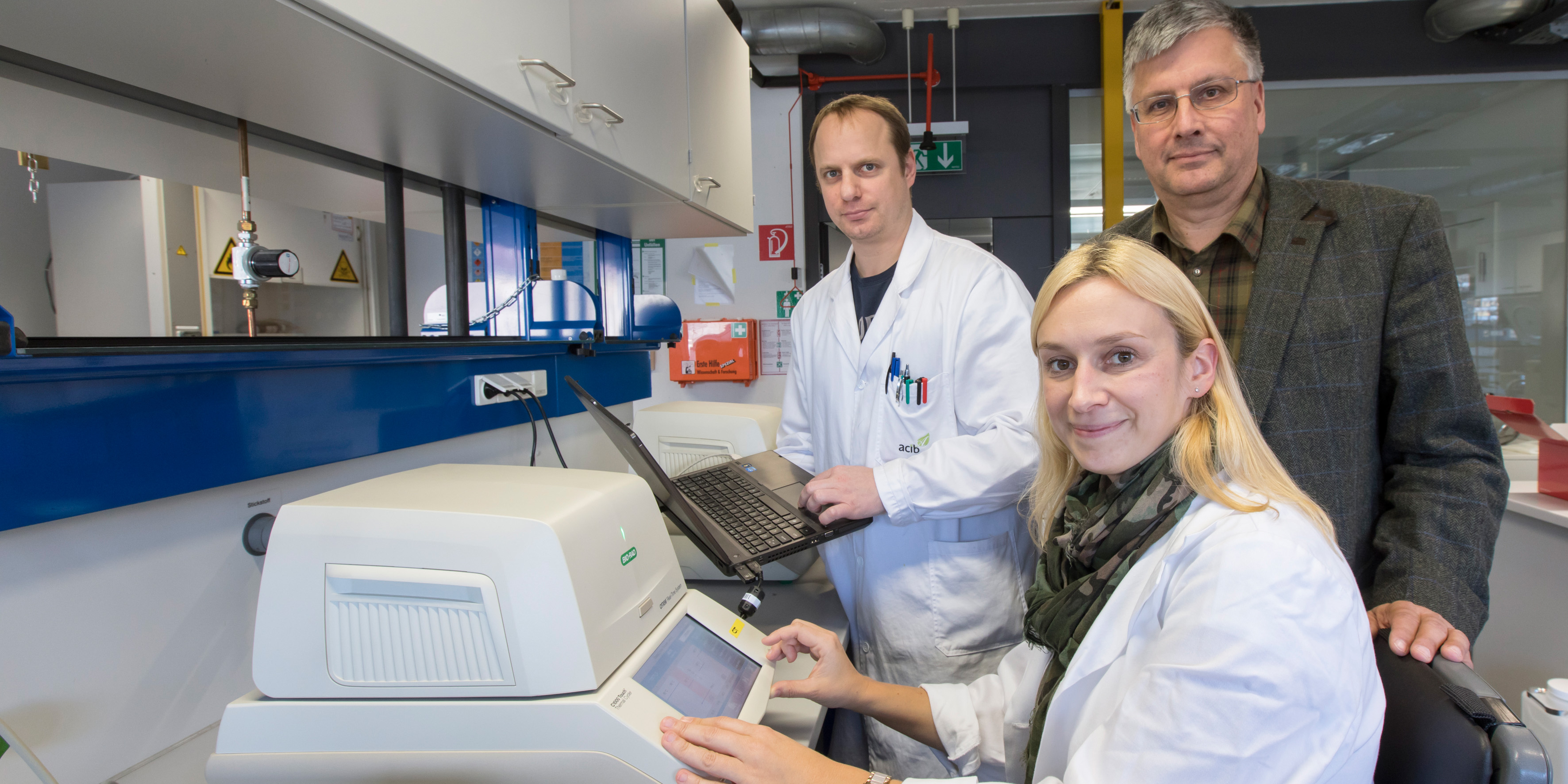
A team led by Christoph W. Sensen (right), head of the Institute of Computational Biotechnology at TU Graz, has succeeded in using biomarkers to diagnose sepsis 2 to 3 days before the first clinical symptoms appear. © Lunghammer – TU Graz (photo was made in 2017)

Researchers are developing a ground-breaking method that uses biomarkers to detect sepsis 2 to 3 days before the first clinical symptoms appear. This can significantly increase the chances of survival in cases of blood poisoning by bacteria or fungi.

Whether activating or silencing genes, breaking down defective cells or building new tissue, our body is constantly working to repair itself, even in cases of illness. To fight a disease, our body sends out signals, often long before we ourselves notice the disease...

Read More

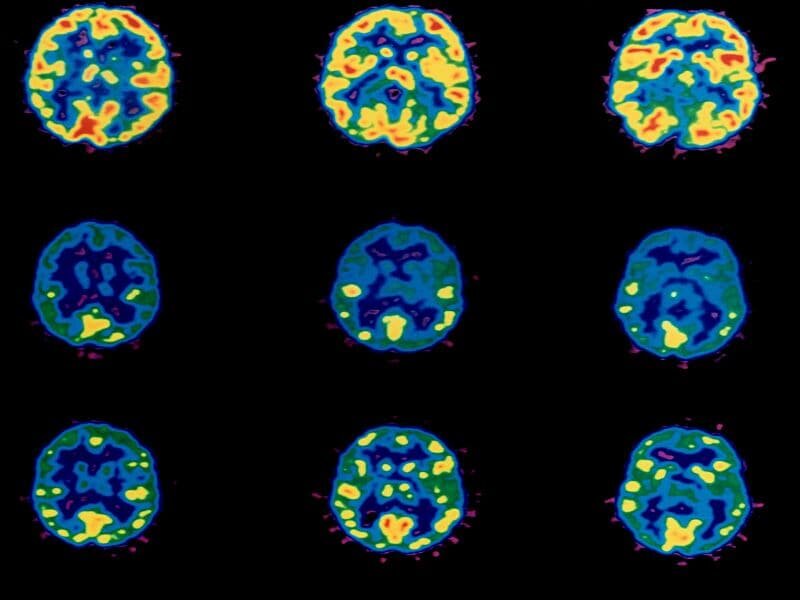
Could Brain Scans spot children’s Mood, Attention problems early?

“We’re facing a tremendous epidemic with teen anxiety and depression, and we wanted to find an early marker that predicted the development of anxiety, depression and attentional symptoms,” said the study’s lead author, Susan Whitfield-Gabrieli. She’s a professor of psychology and director of the Northeastern University Biomedical Imaging Center, in Boston.

In a small sample of less than 100 children without known mental health concerns, the research team found that connections in certain areas of the brain seen at age 7 could help predict mental health concerns that developed four years later.

“The study could have great clinical implications,” Whitfield-Gabrieli said...

Read More

Colon Cancer Growth reduced by Exercise

Image result for Colon cancer growth reduced by exercise

Could short bursts of high-intensity exercise immediately reduce the growth of colorectal cancer cells?

Exercise may play a role in reducing the growth of colon cancer cells according to new research published in The Journal of Physiology. The study found that after a short session of high intensity interval training (HIIT), growth of colon cancer cells was reduced, and this also increased indicators of inflammation.

For a long time, the focus on exercise has been on the positive changes in the body that occur following a longer period of training. However, these findings suggest that the effects following a single session of HIIT, an exercise regime involving short, high energy bursts are also important...

Read More