Brain Aging tagged posts

Brain aging may be detected decades before symptoms appear, with links to gut health

brain gut
Credit: Pixabay/CC0 Public Domain

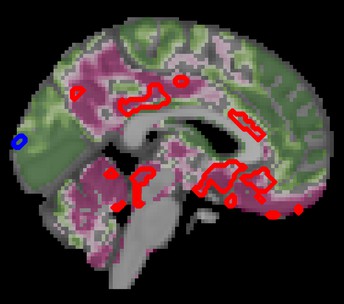
A new UCLA study has found a connection between how quickly the brain ages and the bacteria and chemical byproducts found in the gut, offering a clue to what drives brain aging long before symptoms appear.

Researchers have long used brain scans to estimate a person’s “brain age,” a measure that can differ from someone’s actual age in years. When a brain looks older than expected on a scan, prior research has linked it to poorer memory, thinking skills and mood. However, most of these studies involved older adults or people with existing brain diseases. Whether this gap between brain age and chronological age means anything in younger, generally healthy people has been unclear.

In a new study published in the journal eBioMedicine, UCLA Health rese...

Read More

Poor sleep may accelerate brain aging

poor sleep
Credit: Unsplash/CC0 Public Domain

People who sleep poorly are more likely than others to have brains that appear older than they actually are. This is according to a comprehensive brain imaging study from Karolinska Institutet, published in the journal eBioMedicine. The paper is titled “Poor sleep health is associated with older brain age: the role of systemic inflammation.”

Increased inflammation in the body may partly explain the association.

Poor sleep has been linked to dementia, but it is unclear whether unhealthy sleep habits contribute to the development of dementia or whether they are rather early symptoms of the disease.

In a new study, researchers at Karolinska Institutet have investigated the link between sleep characteristics and how old the brain appears in relat...

Read More

Scientists Identify how Dietary Restriction Slows Brain Aging and Increases Lifespan

Scientists identify how dietary restriction slows brain aging and increases lifespan
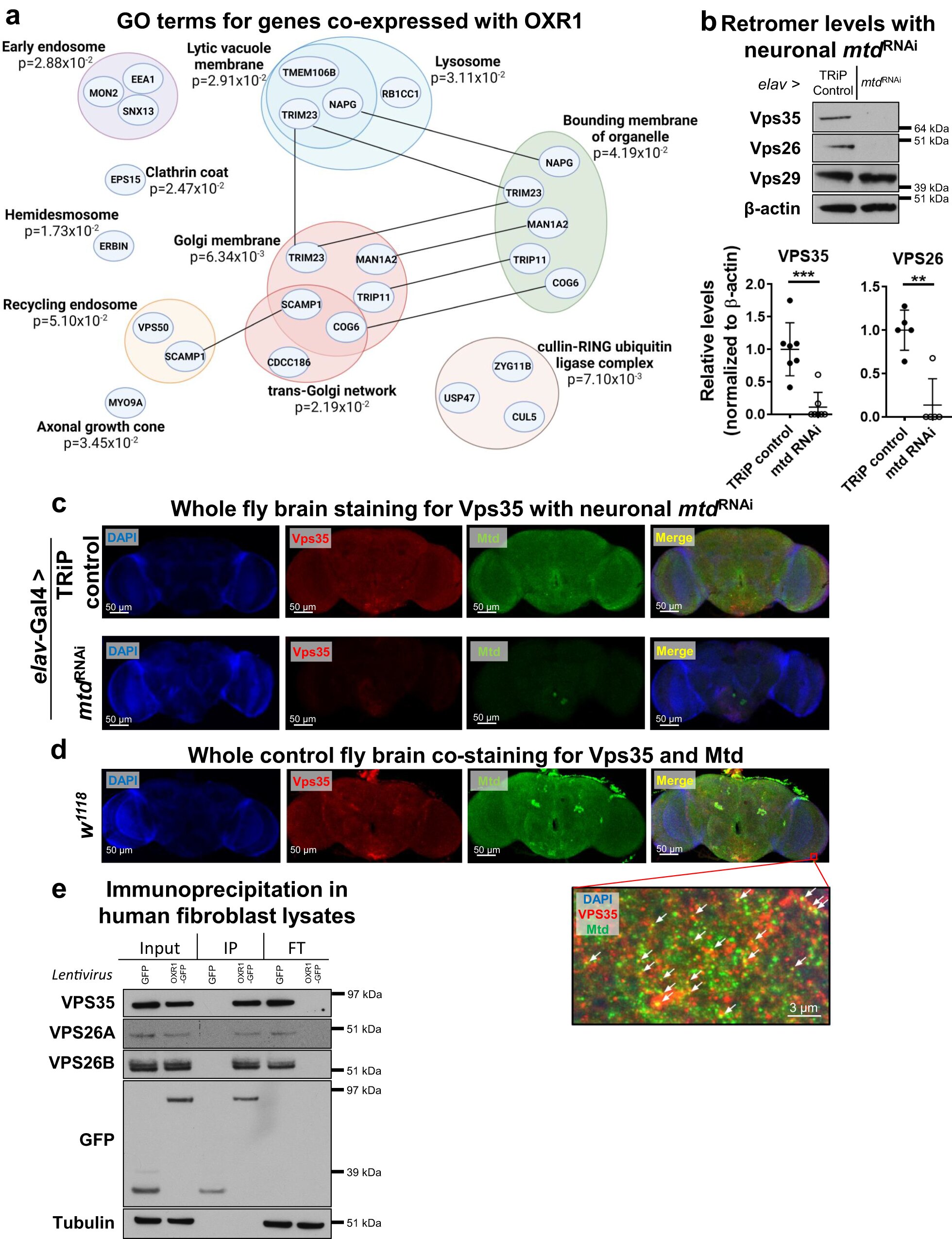
mtd interacts with the retromer complex and is required for retromer maintenance. Credit: Nature Communications (2024). DOI: 10.1038/s41467-023-44343-3

Restricting calories is known to improve health and increase lifespan, but much of how it does so remains a mystery, especially in regard to how it protects the brain. Buck Institute for Research on Aging scientists have uncovered a role for a gene called OXR1 that is necessary for the lifespan extension seen with dietary restriction and is essential for healthy brain aging.

“When people restrict the amount of food that they eat, they typically think it might affect their digestive tract or fat buildup, but not necessarily about how it affects the brain,” said Kenneth Wilson, Ph.D...

Read More

Type 2 Diabetes Accelerates Brain Aging and Cognitive Decline

Aging effects on the brain, further exacerbated in type 2 diabetes. Image credit: Lilianne Mujica-Parodi (CC BY 4.0)

Scientists have demonstrated that normal brain aging is accelerated by approximately 26% in people with progressive type 2 diabetes compared with individuals without the disease, reports a study published today in eLife.

The authors evaluated the relationship between typical brain aging and that seen in type 2 diabetes, and observed that type 2 diabetes follows a similar pattern of neurodegeneration as aging, but which progresses faster. One important implication of this finding is that even typical brain aging may reflect changes in the brain’s regulation of glucose by insulin.

The results further suggest that by the time type 2 diabetes is formally diagnosed, the...

Read More