
cancer therapy tagged posts

Thymus-derived hormone may suppress age-related inflammation and boost cancer therapy

Human Thymus Anatomy Illustration. 3D render
Photo/iStock

Chronic, low-grade inflammation in the body—a phenomenon known as “inflammaging” because it increases with age—has been linked to many of today’s leading causes of illness and death, including cancer, heart disease, metabolic conditions and neurodegenerative diseases. But scientists have struggled to understand what causes inflammaging or how to reverse its effects.

Researchers from the Keck School of Medicine of USC have identified the thymus, a small organ behind the breastbone that plays a central role in immune system development, as a key player in inflammaging. They discovered that thymulin, a hormone produced by the organ, keeps inflammation under control.

As we age, thymulin decreases and inflammation increases, allowing diseases like cancer to progress...

Read More
Fighting Tumours with Magnetic Bacteria

Illustration of a blood vessel as well as the blood cells and the magnetic bacteria
Magnetic bacteria (grey) can squeeze through narrow intercellular spaces to cross the blood vessel wall and infiltrate tumours. (Visualisations: Yimo Yan / ETH Zurich)

Researchers at ETH Zurich are planning to use magnetic bacteria to fight cancerous tumours. They have now found a way for these microorganisms to effectively cross blood vessel walls and subsequently colonise a tumour.

Scientists around the world are researching how anti-cancer drugs can most efficiently reach the tumours they target. One possibility is to use modified bacteria as “ferries” to carry the drugs through the bloodstream to the tumours. Researchers at ETH Zurich have now succeeded in controlling certain bacteria so that they can effectively cross the blood vessel wall and infiltrate tumour tissue.

L...

Read More

Antibiotics may help to treat Melanoma

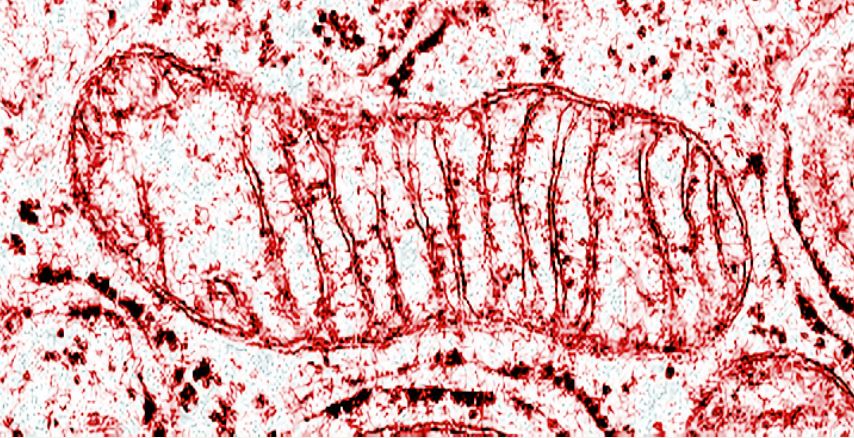
Eleonora Leucci: “We need more research and clinical studies to examine the use of antibiotics to treat cancer patients.” The electron microscopy image above represents a human mitochondrion, the ‘power plant’ of the cell. Image created by Roberto Vendramin. 

Some antibiotics appear to be effective against a form of skin cancer known as melanoma. Researchers at KU Leuven, Belgium, examined the effect of these antibiotics on patient-derived tumours in mice. Their findings were published in the Journal of Experimental Medicine.

Researchers from KU Leuven may have found a new weapon in the fight against melanoma: antibiotics that target the ‘power plants’ of cancer cells. These antibiotics exploit a vulnerability that arises in tumour cells when they try to survive cancer therapy.

...Read More