

cancer treatment tagged posts

A common nutrient could supercharge cancer treatment

Orange veggies
Zeaxanthin is a carotenoid, a type of yellow-orange pigment found in plants.

A simple nutrient from everyday vegetables could help supercharge the body’s fight against cancer. A common eye-health nutrient, zeaxanthin, may also help the body fight cancer more effectively. Scientists discovered it strengthens Tcells and enhances the impact of immunotherapy treatments. Found in everyday vegetables and supplements, it’s safe, accessible, and shows strong potential as a cancer therapy booster. Human trials are the next step.

Researchers at the University of Chicago have uncovered a surprising new role for zeaxanthin, a plant-based compound best known for supporting eye health...

Read More
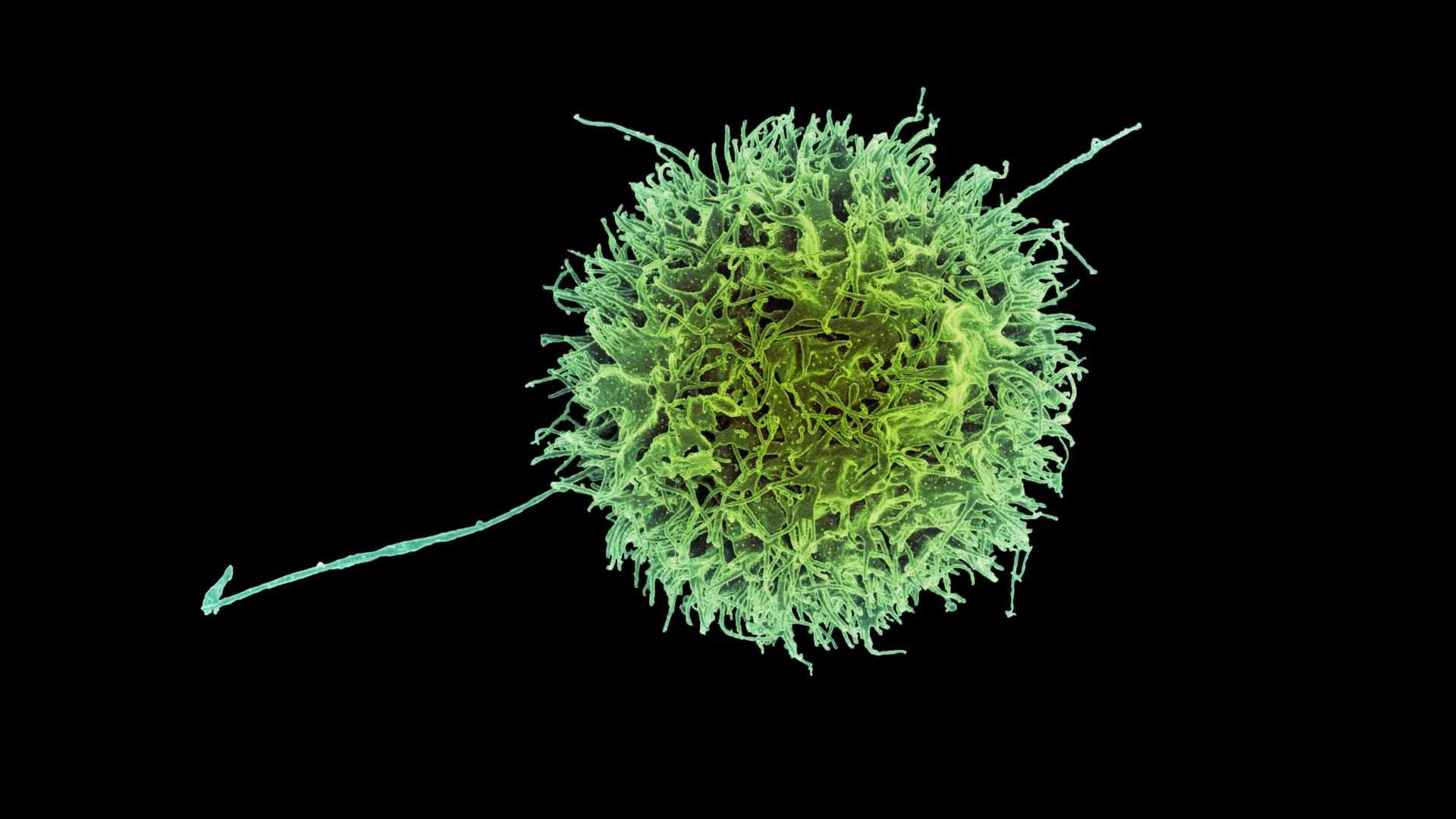
MIT’s “stealth” immune cells could change cancer treatment forever

MIT’s Stealth Immune Cells Destroy Cancer
A new study identifies genetic modifications that make “natural killer” more effective at destroying cancer cells. Credit: NIAID

Engineered “stealth” immune cells from MIT and Harvard show promise for fast, safe, and powerful cancer treatment. Scientists have created a new and more advanced form of immune-based cancer therapy using engineered cells known as CAR-NK (natural killer) cells. Like CAR-T cells, these modified immune cells can be programmed to recognize and attack cancer, but they rely on a different type of immune cell that naturally targets abnormal or infected cells.

A team from MIT and Harvard Medical School has now developed a more effective way to engineer CAR-NK cells that dramatically reduces the chance of the body’s immune system rejecting them...

Read More

Research identifies key enzyme target to fight deadly brain cancers

brain cancer

Researchers have found that targeting an enzyme called PGM3 can help stop the growth of glioblastoma, the most dangerous type of brain tumor. Study findings are published online in the journal Science Advances.

This enzyme plays a vital role in the hexosamine synthesis pathway, which is involved in the processes of protein and lipid glycosylation that allow tumors to rapidly grow. Lipid glycosylation is a process where sugar molecules attach to fats (lipids) in the body.

Researchers with The Ohio State University Comprehensive Cancer Center—Arthur G. James and Richard J. Solove Research Institute believe that targeting PGM3 can reduce tumor growth and eliminate glioblastoma cells.

“This research is important because it has found a new target called PGM3...

Read More

Scientists develop new CRISPR Gene Editing Platform for Precision Medicine and Cancer Treatment

Scientists develop new CRISPR gene editing platform for precision medicine and cancer treatment
Graphical abstract. Credit: Theranostics (2024). DOI: 10.7150/thno.92133

Researchers at Columbia University College of Dental Medicine have developed an exosome-based platform, “safeEXO-Cas,” that significantly enhances the delivery of CRISPR/Cas9 genome editing components to specific cells and tissues.

CRISPR/Cas9 is a unique technology that enables geneticists and medical researchers to edit parts of the genome by removing, adding or altering sections of the DNA sequence. The study, published in Theranostics, demonstrates the potential of this innovative platform to revolutionize gene therapy and precision medicine.

The research, led by Dr...

Read More