CD8 T cells tagged posts

D-serine accelerates gastric tumor growth by suppressing killer T cells

D-serine Promotes Tumor Growth in Gastric Cancer
D-serine is a metabolic byproduct that aids immune evasion by gastric cancer tumors. It increases immunosuppressive macrophage activity and reduces the numbers and function of cytotoxic T cells. This aids tumor growth and provides resistance against immune checkpoint inhibitor therapy. Credit: Keio University Global Research Institute (KGRI)

One of the crucial steps in cancer proliferation is evading killer immune cells. Cancer cells use a variety of signaling molecules to evade the immune system. Immune checkpoint inhibitor (ICI) therapy interferes with some of these evasion tactics, improving the immune system’s ability to suppress tumors. However, the success of ICI therapy depends on the specific signals being secreted by the tumor.

Recent research has identified D-amino acids (...

Read More

B cells found to be crucial for long-term vaccine protection, new study shows

Photo of a man getting a vaccine

The new findings could help improve vaccine effectiveness in some immunocompromised patients. Researchers at the University of Colorado Anschutz Medical Campus have uncovered a critical, previously underappreciated role for B cells in vaccine protection. Best known for producing antibodies, B cells also guide other immune cells, specifically CD8 T cells, teaching them how to mount lasting defenses after vaccination.

The study was recently published in The Journal of Clinical Investigation.

“Think of CD8 T cells as rookie firefighters,” said lead author Jared Klarquist, PhD, assistant research professor of immunology and microbiology at the University of Colorado School of Medicine. “B cells teach the class on pacing. Without them, the rookies rush in, fight hard, and quit...

Read More

Gut microbes release cancer-fighting bile acids that block hormone signals

Gut microbes release cancer-fighting bile acids that block hormone signals
Graphical abstract. Credit: Cell (2025). DOI: 10.1016/j.cell.2025.02.029

Bacteria naturally present in the human intestine (known as the gut microbiota) can transform cholesterol-derived bile acids into powerful metabolites that strengthen anti-cancer immunity by blocking androgen signaling, according to a preclinical study led by Weill Cornell Medicine investigators. The study was published on April 15 in Cell.

“I was very surprised by our findings. As far as I know, no one has previously discovered molecules like these bile acids that can interact with the androgen receptor in this way,” said co-senior author Dr...

Read More

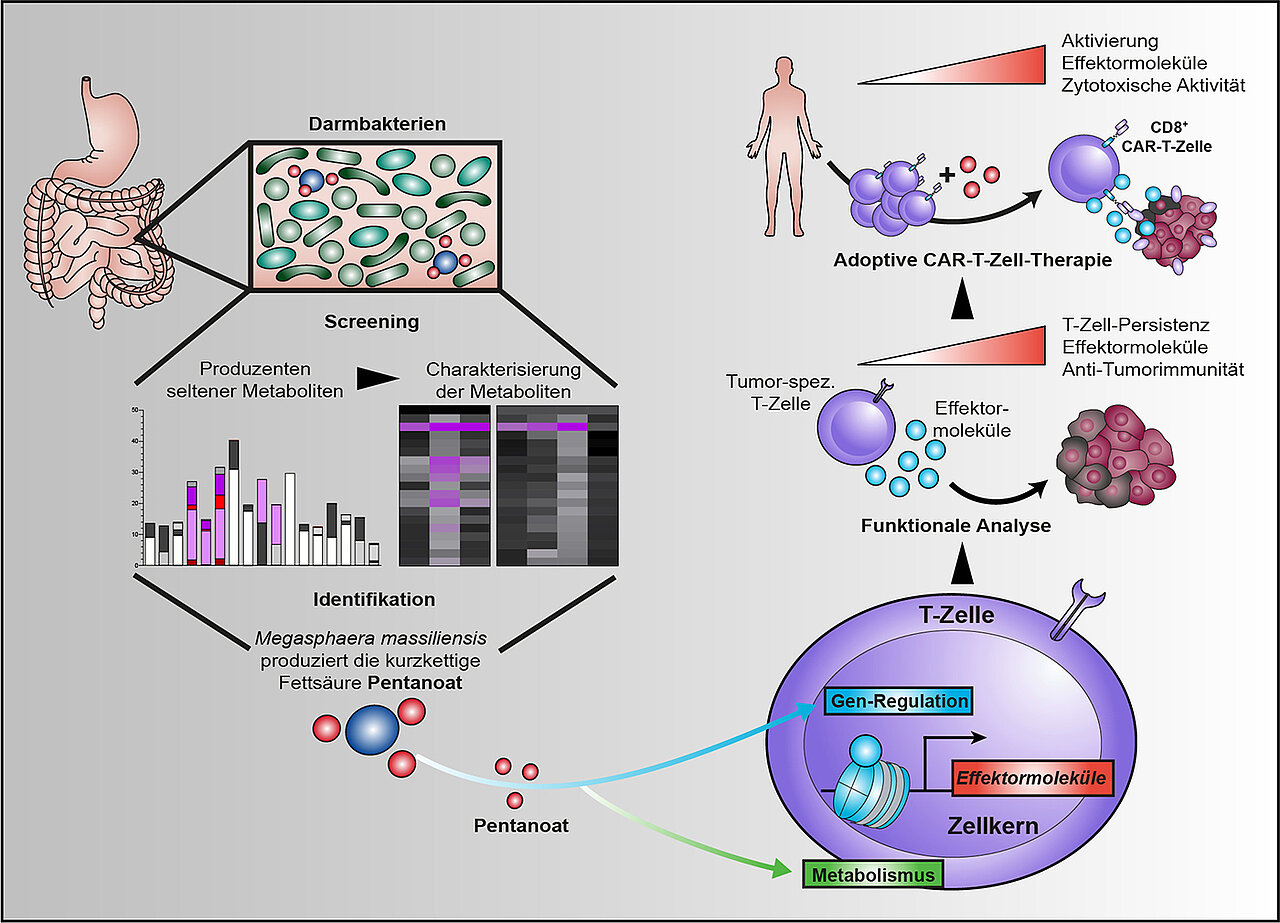
Anti-Tumor Agent from the Intestine

Certain metabolites of bacteria from the intestine make immune cells more aggressive as a new study conducted by scientists reveals. The findings could help improve cancer therapies.

It is believed to be involved in the development of chronic inflammatory intestinal diseases, to trigger diabetes, to be responsible for obesity, even neurological diseases such as multiple sclerosis and Parkinson’s could have their causes here — not to mention depressions and autistic disorders. We are talking about the microbiome — the vast collection of bacteria in the human gut. It is estimated that each person carries around 100 trillion bacterial cells in their digestive tract, belonging to several thousand species.

Scientists at the Universities of Würzburg and Marburg have now succeeded for ...

Read More