
Cellular Stress tagged posts

Rogue lipids: How routine cellular stress can fuel chronic inflammation

Credit: Unsplash/CC0 Public Domain

Oxidized lipids—fats structurally altered by enzymes, oxygen or free radicals—are double-edged swords that can both quell and ignite systemic inflammation, according to a new comprehensive review aimed at sharpening the overall understanding of an intricate class of highly reactive molecules.

Dr. Marco Di Gioia and Dr. Ivan Zanoni, two medical investigators from the divisions of immunology and gastroenterology at Harvard Medical School, explored this complex molecular universe by focusing on a class of compounds called oxidized phospholipids—oxPLs.

In their article published in Science Immunology, they explored why sharp differences in oxPL activity can have favorable or unfavorable biological outcomes...

Read More
Mitochondria are the ‘Canary in the Coal Mine’ for Cellular Stress

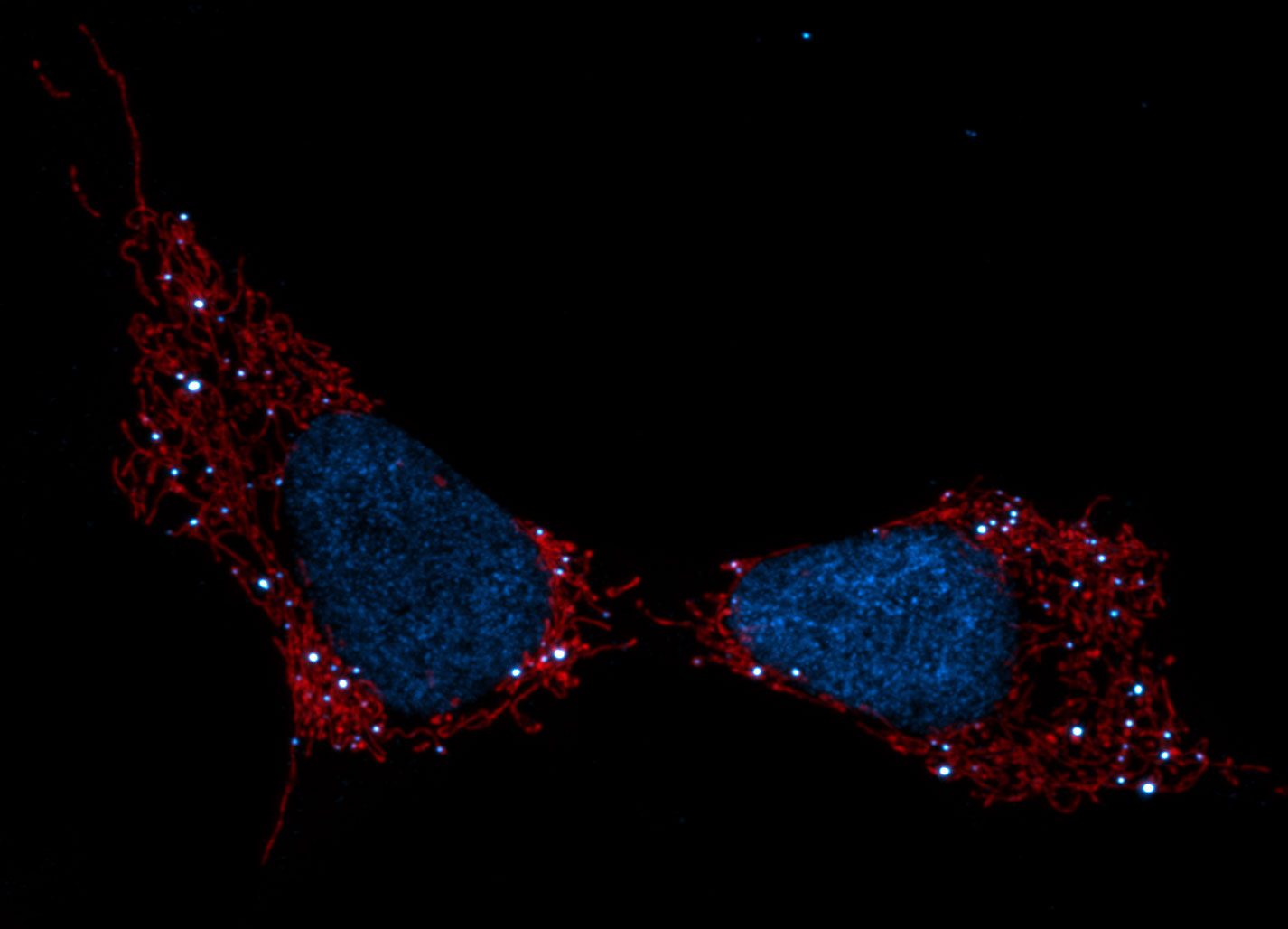
Pictured are mitochondria (red), cell nuclei (blue) and mtDNA (white dots).
Credit: Salk Institute/Waitt Advanced Biophotonics Center

How some cancers resist chemotherapy…
Mitochondria, tiny structures present in most cells, are known for their energy-generating machinery. Now, Salk researchers have discovered a new function of mitochondria: they set off molecular alarms when cells are exposed to stress or chemicals that can damage DNA, such as chemotherapy. The results, published online in Nature Metabolism on December 9, 2019, could lead to new cancer treatments that prevent tumors from becoming resistant to chemotherapy.

“Mitochondria are acting as a first line of defense in sensing DNA stress...

Read More