CRISPR tagged posts

AI‑designed gene‑editing enzymes expand the CRISPR toolbox

AI model designs RNA-guided nucleases that surpass natural nuclease abilities, expanding CRISPR toolbox
RNA-guided nuclease TnpB design strategy with an ESM Inverse Folding (ESM-IF1) model. Credit: Science (2026). DOI: 10.1126/science.aed6123

Scientists have made many advances using traditional CRISPR technology, especially in medicine, but they are now seeking ways to create genuinely new gene-editing enzymes with properties that have not already evolved naturally. A new study, published in Science, describes a new AI-designed synthetic TnpB enzyme, called SynTnpBs, that has outperformed the natural reference enzyme.

Creating new gene editors
CRISPR tools use a programmable guide RNA to direct an enzyme to a specific target in the genome to edit (cut, insert or correct) DNA. The TnpB enzyme is a compact ancestor of certain CRISPR enzymes, called CRISPR-Cas12 enzymes...
Read More

This new blood test could detect cancer before it shows up on scans

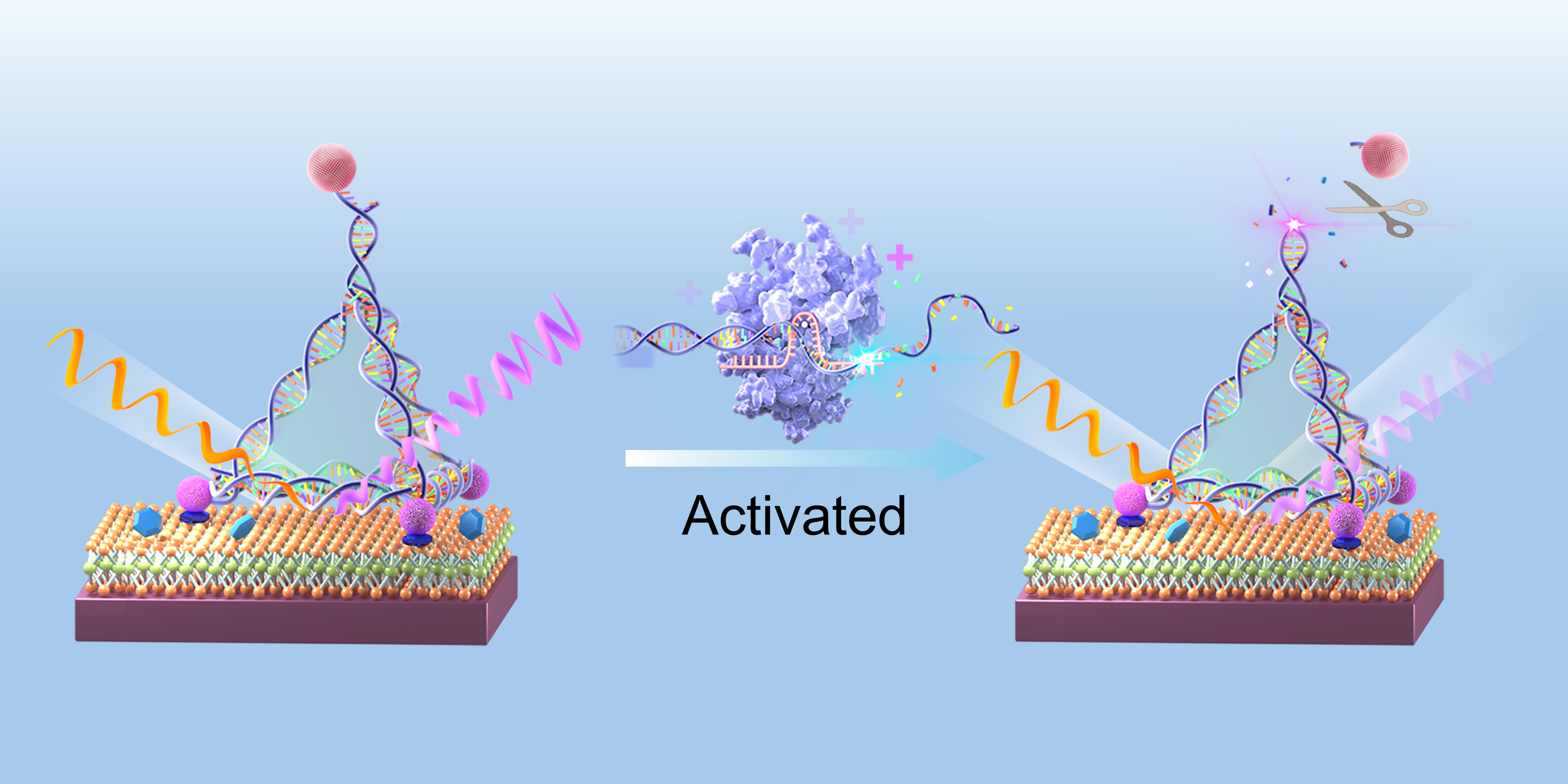
Caption: When the biomarker is detected, the Cas12a protein used for CRISPR cuts the DNA holding the quantum dots, which causes a measurable drop in SHG signal.
Credit: Han Zhang, Shenzhen University

A new CRISPR-powered light sensor can detect the faintest molecular signs of cancer in a drop of blood. A new light-based sensor can spot incredibly tiny amounts of cancer biomarkers in blood, raising the possibility of earlier and simpler cancer detection. The technology merges DNAnanotechnology, CRISPR, and quantumdots to generate a clear signal from just a few molecules. In lung cancer tests, it worked even in real patient serum samples. Researchers hope it could eventually power portable blood tests for cancer and other diseases.

Scientists have designed a powerful light based sensor...

Read More

New insight into the immune signals driving inflammation in multiple sclerosis

New insight into the immune signals driving inflammation in multiple sclerosis
Representative confocal microscopy image of a cross-section of the whole spinal column of an EAE animal co-transferred with control (red) and Tgfbr1-KO (green) cells. Credit: de la Rosa, Kendirli et al

Multiple sclerosis (MS) is a chronic neurological disease characterized by nerve damage and consequent impairments in vision, movement, balance and mental function. In MS, the immune system mistakenly starts attacking myelin, the protective sheath that surrounds axons (i.e., nerve fibers) in the brain, spinal cord and optic nerves.

Macrophages, immune cells responsible for detecting damaged cells, germs or other debris in the central nervous system (CNS) and eliminating them, have been found to play a key role in MS...

Read More

New CRISPR system for Gene Silencing Doesn’t Rely on Cutting DNA

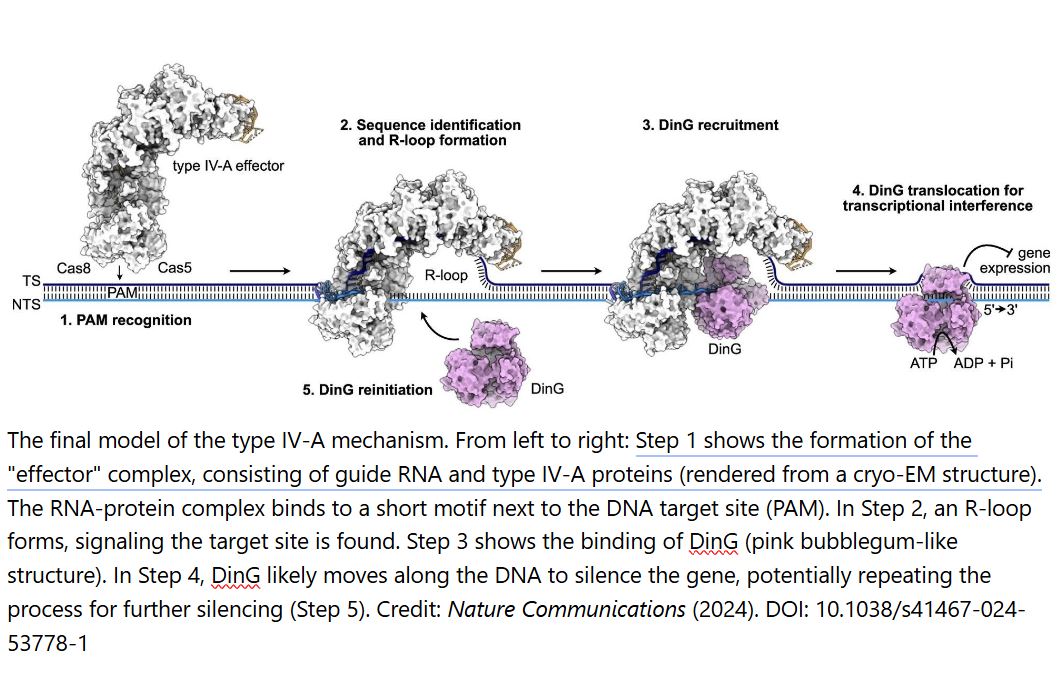
Scientists from Vilnius University’s (VU) Life Sciences Center (LSC) have discovered a unique way for cells to silence specific genes without cutting DNA. This research, led by Prof. Patrick Pausch and published in the journal Nature Communications, reveals a new way to silence genes that is akin to pressing a “pause” button on certain genetic instructions within cells.

The research team, including doctoral student Rimvydė Čepaitė, Dr. Aistė Skorupskaitė, undergraduate Gintarė Žvejyte and Prof. Pausch at Vilnius University, working alongside an international team, uncovered how cells use a specific system to locate and silence unwanted DNA. This system, which could eventually enable safer gene modifications, shows promise for repairing faulty genes that cause diseases.

“U...

Read More