diabetes tagged posts

Implantable islet cells could control diabetes without insulin injections

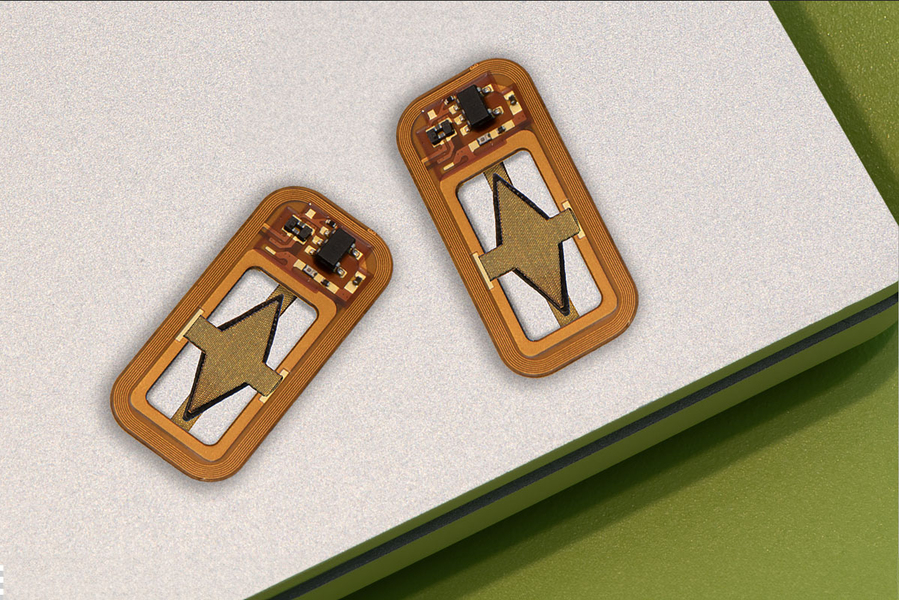
Two tiny rectangular devices have curved edges. The devices are orange-yellow and are made of a circuit board and soldered pieces, including a diamond-shaped piece of material in the middle.
Caption:MIT engineers designed an implantable device that carries hundreds of thousands of islet cells along with its own on-board oxygen factory to keep the cells healthy.
Credits:Image: Felice Frankel

Most diabetes patients must carefully monitor their blood sugar levels and inject insulin multiple times per day, to help keep their blood sugar from getting too high. As a possible alternative to those injections, MIT researchers are developing an implantable device that contains insulin-producing cells. The device encapsulates the cells, protecting them from immune rejection, and it also carries an onboard oxygen generator to keep the cells healthy.

This device, the researchers hope, could offer a way to achieve long-term control of type 1 diabetes...

Read More

AAOS: GLP-1 receptor agonist use increases five-year risk for osteoporosis

AAOS: GLP-1 receptor agonist use increases five-year risk for osteoporosis

Treatment with glucagon-like peptide-1 receptor agonists (GLP-1 RAs) for type 2 diabetes and obesity is independently associated with a significantly increased five-year risk for osteoporosis, gout, and osteomalacia compared with nonuse, according to a study presented at the annual meeting of the American Academy of Orthopaedic Surgeons, held from March 2 to 6 in New Orleans.

Muaaz Wajahath, from the Michigan State University College of Human Medicine in East Lansing, and colleagues evaluated the five-year risk for osteoporosis, gout, and osteomalacia in adults with both type 2 diabetes and obesity treated with GLP-1 RAs (semaglutide, liraglutide, dulaglutide, or exenatide) compared with matched controls (73,483 per group).

The researchers found that at five years, patients expo...

Read More

Self-regulating living implant could end daily insulin injections

Self-regulating living implant could end daily insulin injections
Crystal Capsules. Credit: Technion – Israel Institute of Technology

A pioneering study marks a major step toward eliminating the need for daily insulin injections for people with diabetes. The study was led by Assistant Professor Shady Farah of the Faculty of Chemical Engineering at the Technion—Israel Institute of Technology, in co-correspondence with MIT, and in collaboration with Harvard University, Johns Hopkins University, and the University of Massachusetts. The findings are published in the journal Science Translational Medicine.

The research introduces a living, cell-based implant that can function as an autonomous artificial pancreas, essentially a living drug that is long-term, thanks to a novel crystalline shield-protecting technology...

Read More

A little-known desert berry may hold the key to fighting diabetes

Scientists may have uncovered a surprising new weapon in the fight against diabetes: the fruit of an ancient desert plant. Known as Nitraria roborowskii Kom, this resilient shrub has long been used in traditional medicine but has only recently gained scientific attention. In modern experiments, its fruit extract displayed a remarkable ability to reverse insulin resistance and restore healthy metabolism in diabetic mice.

The results went far beyond stabilizing blood sugar. Researchers found that the extract also corrected lipid imbalances and reduced oxidative stress, two major complications of diabetes. These effects were linked to the activation of a key cellular signaling pathway that helps regulate metabolism...

Read More