DNA damage tagged posts

Machine learning detects bacterial invasion and DNA damage in human cells

Cell by cell: New machine-learning-based method reveals what can make bacteria dangerous
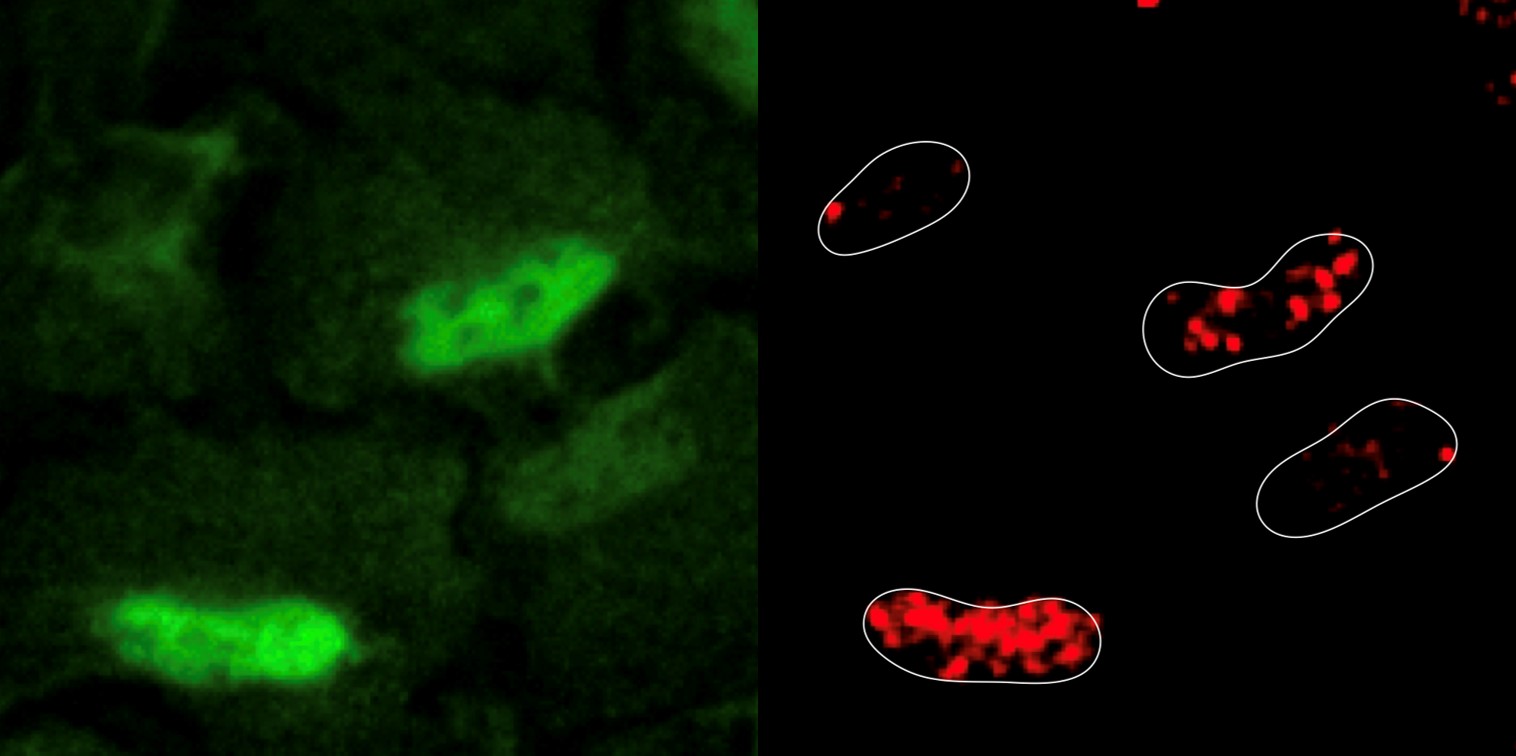
MALVINA connects bacterial behaviour, host-cell responses and drug effects in a single-cell analysis framework. By measuring bacterial invasion, intracellular accumulation and host-cell damage together, the method can support pathogen diagnostics, probiotic discovery, drug profiling and toxicity testing under more infection-relevant conditions. Credit: HUN-REN Biological Research Centre Szeged

When scientists assess how dangerous a bacterium is, the first question often seems simple: Can it be stopped or killed? In microbiology and antibiotic research, one of the classic readouts has been whether a bacterium can grow in the presence of a given treatment. The bacterium either grows or it does not. The drug either stops it or it does not.

But infection is not just a survival contest...

Read More

Clogged Arteries Worsened by Cells that Behave like Cancer Cells

Columbia University researchers have found cells inside clogged arteries share similarities with cancer and aggravate atherosclerosis, raising the possibility that anticancer drugs could be used to treat atherosclerosis and prevent heart attacks.

Their study found that smooth muscle cells that normally line the inside of our arteries migrate into atherosclerotic plaques, change their cell identity, activate cancer genes, and proliferate inside the plaques.

“Our study shows that these transformed muscle cells are driving atherosclerosis, opening the door to new ways to treat the disease, potentially with existing cancer drugs,” says Muredach Reilly, MD, the Florence and Herbert Irving Endowed Professor of Medicine at Columbia University Vagelos College of Physicians and Surgeons ...

Read More

DNA Damage Repaired by Antioxidant Enzymes

In crisis, the nucleus calls antioxidant enzymes to the rescue. The nucleus being metabolically active is a profound paradigm shift with implications for cancer research.

Summary points

The human nucleus is metabolically active, according to the findings of a new study in Molecular Systems Biology by researchers at the CRG in Barcelona and CeMM/Medical University of Vienna,

In a state of crisis, such as widespread DNA damage, the nucleus protects itself by appropriates mitochondrial machinery to carry out urgent repairs that threaten the genome’s integrity

The findings represent a paradigm shift because the nucleus has been historically considered to be metabolically inert, importing all its needs through supply chains in the cytoplasm

Cancer hijacks cellular metabolism...

Read More

Cannabis impacts Sperm Counts, Motility in Two Generations of mice

Mice who were exposed to cannabis looked dope as hell but had seriously impacted sperm count. Image credit: Egoreichenkov Evgenii/3dsam79/Shutterstock.com

An intense but short-term exposure to cannabis vapor lowered sperm counts and slowed sperm movement, or motility, not only in the directly exposed male mice but also in their sons.

The Washington State University study, published in the journal Toxicological Sciences, builds on other human and animal studies, showing that cannabis can impede male reproductive function. The current study uses more controlled circumstances than human studies, which often have to rely on surveys, and is the first known reproductive study to use vaporized whole cannabis in mice, which is the more common form humans use...

Read More