
DNA tagged posts

Researchers Develop Artificial Building Blocks of Life

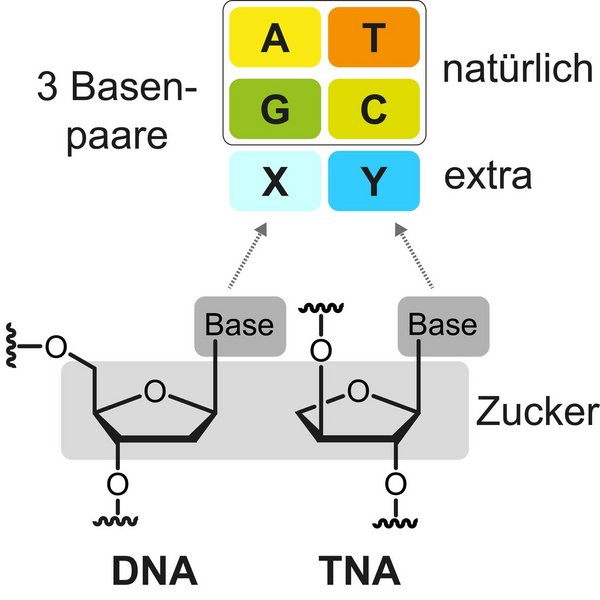
For the first time, scientists have developed artificial nucleotides, the building blocks of DNA, with several additional properties in the laboratory. The DNA carries the genetic information of all living organisms and consists of only four different building blocks, the nucleotides. Nucleotides are composed of three distinctive parts: a sugar molecule, a phosphate group and one of the four nucleobases adenine, thymine, guanine and cytosine. The nucleotides are lined up millions of times and form the DNA double helix, similar to a spiral staircase. Scientists from the UoC’s Department of Chemistry have now shown that the structure of nucleotides can be modified to a great extent in the laboratory.

The researchers developed so-called threofuranosyl nucleic acid (TNA) with a new, ad...

Read More
There’s more to Genes than DNA: How Mum and Dad add something Extra, just for you

Embryos
A normal 4-day-old mouse embryo (L) and an embryo of the same age that has been manipulated to contain maternal chromosomes only (parthenogenote). At this stage, the embryos (blastocysts) appear similar, but the parthenogenote will soon die, underscoring the importance of inheriting imprinted genes from both parents. Different cell types are stained green or red. Credit: Dr Maki Asami.

Biologists at the Universities of Bath and Vienna have discovered 71 new ‘imprinted’ genes in the mouse genome, a finding that takes them a step closer to unravelling some of the mysteries of epigenetics — an area of science that describes how genes are switched on (and off) in different cells, at different stages in development and adulthood.

To understand the importance of imprinted genes to inherit...

Read More

Storing Data in Everyday Objects

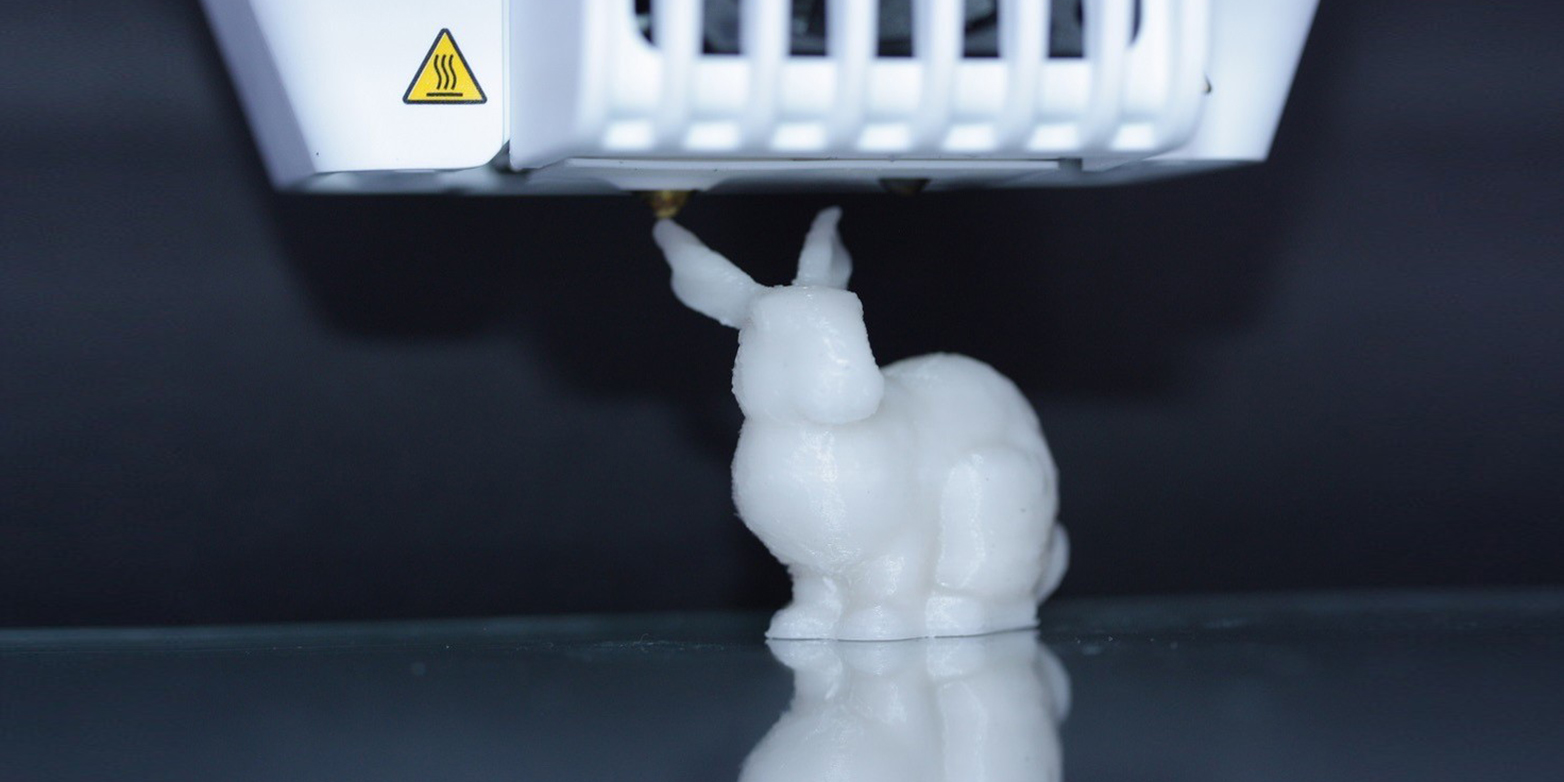
3D-printed plastic rabbit
A 3D-​printed plastic rabbit. The plastic contains DNA molecules in which the printing instructions have been encoded. (Photograph: ETH Zurich / Julian Koch)

Researchers and an Israeli scientist have discovered a new method for turning nearly any object into a data storage unit. This makes it possible to save extensive data in, say, shirt buttons, water bottles or even the lenses of glasses, and then retrieve it years later. The technique also allows users to hide information and store it for later generations. It uses DNA as the storage medium.

Living beings contain their own assembly and operating instructions in the form of DNA. That’s not the case with inanimate objects: anyone wishing to 3D print an object also requires a set of instructions...

Read More

Storing Info in Molecules, for Millions of Years

Pairing molecule mass and binary code, the Whitesides team can "write" massive amounts of data
Pairing molecule mass and binary code, the Whitesides team can “write” massive amounts of data
Credit: Michael J. Fink

As the data boom continues to boom, more and more information gets filed in less and less space. Even the cloud will eventually run out of space, can’t thwart all hackers, and gobbles up energy. Now, a new way to store information could stably house data for millions of years, lives outside the hackable internet, and, once written, uses no energy. All you need is a chemist, some cheap molecules, and your precious information.

“Think storing the contents of the New York Public Library with a teaspoon of protein,” says Brian Cafferty, first author on the paper that describes the new technique and a postdoctoral scholar in the lab of George Whitesides, the Woodford L...

Read More