
drug clearance tagged posts

Skin-deep microneedle sensor tracks drug clearance and reveals early kidney and liver dysfunction

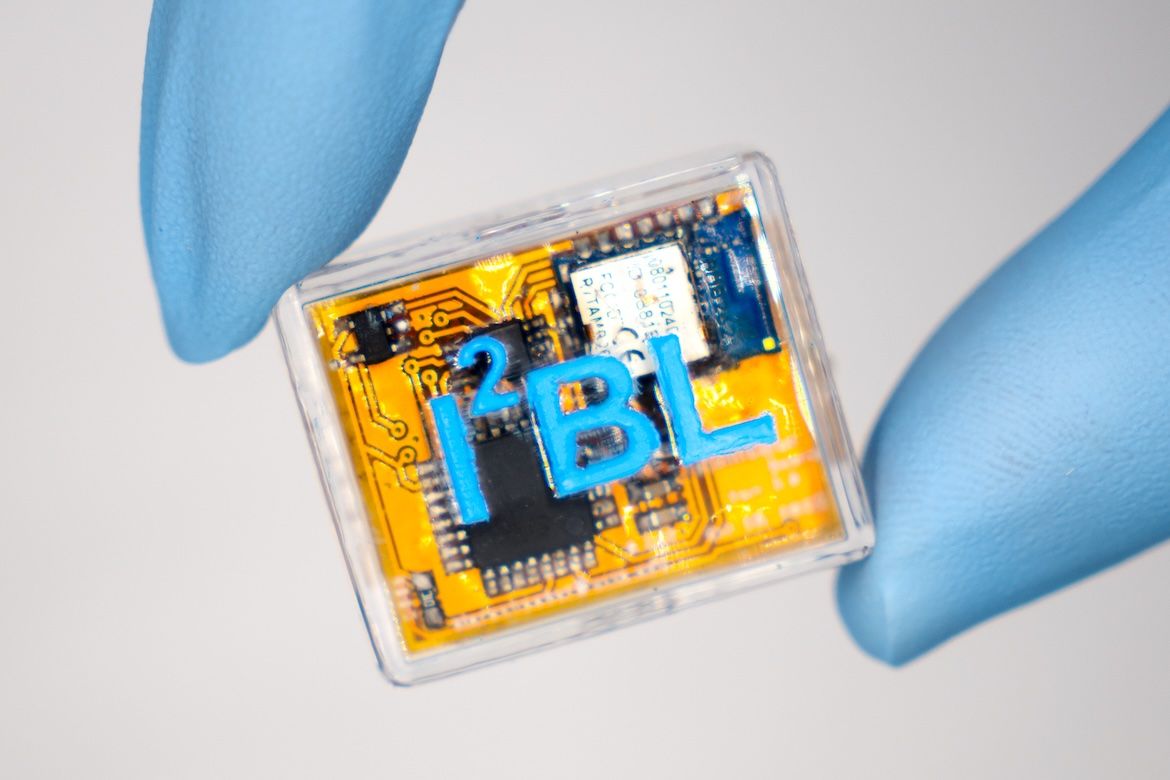
Square microneedle sensor begin held by hand wearing blue Latex gloves
The new microneedle sensor provides continuous, minimally invasive monitoring in skin. “We show that measurements taken just a millimeter beneath the skin can reveal clinically actionable information about organs deep inside the body,” said UCLA professor Sam Emaminejad.

Wearable technologies are starting to reshape how people manage health. Continuous glucose monitors that measure blood sugar levels in diabetes patients have already shown the power of tracking an important molecule in real time. The next leap is to track other medically important molecules. However, doing so is far more difficult because most of those molecules are present at much lower concentrations than glucose.

One area such wearable technologies could transform is drug therapy...

Read More

Functional Human Liver Cells Grown in the Lab

Fluorescently labeled polarized Upcyte® hepatocytes. Credit: Prof. Yaakov Nahmias

Fluorescently labeled polarized Upcyte® hepatocytes. Credit: Prof. Yaakov Nahmias

A new technique for growing human hepatocytes in the laboratory has now been described by a team of researchers. This groundbreaking development could help advance a variety of liver-related research and applications, from studying drug toxicity to creating bio-artificial liver support for patients awaiting transplantations.

Human hepatocytes – that comprise 85% of the liver – are routinely used for study of hepatotoxicity, drug clearance and drug-drug interactions. They also have clinical applications in cell therapy to correct genetic defects, reverse cirrhosis, or support patients with a liver-assist device.

Regrettably, while the human liver can rapidly regenerate in vivo attempts to expand human hepatoc...

Read More