


exercise tagged posts
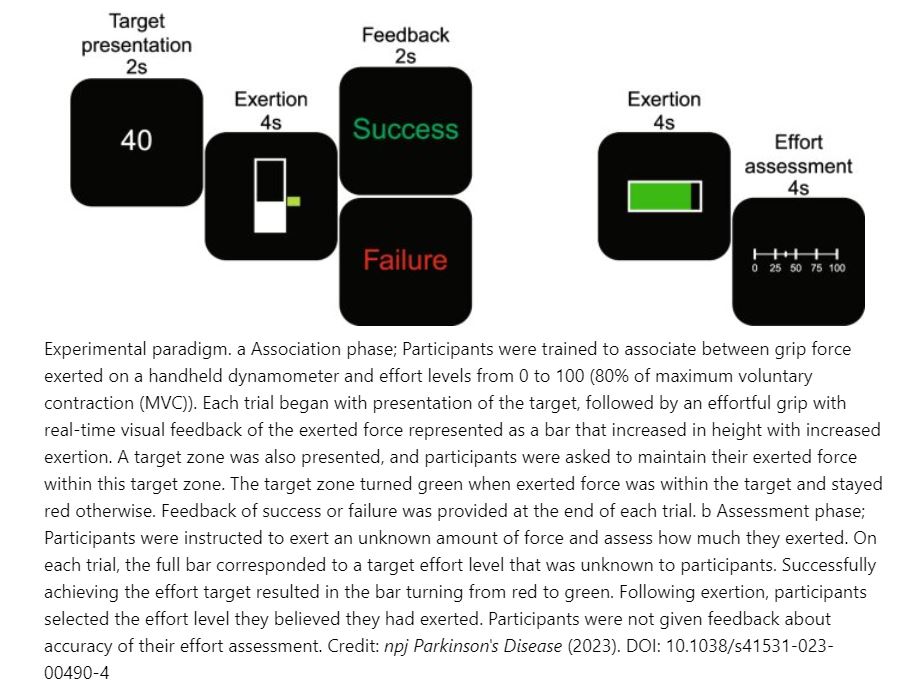
Whether Physical Exertion feels ‘Easy’ or ‘Hard’ may be due to Dopamine levels, study suggests
April 17, 2023,
 Health/Medical, Biology/Biotechnology
How Fit is your Gut Microbiome? New research shows duration and not intensity of exercise is most important
March 28, 2023,
Health/Medical, Biology/Biotechnology

It is well known that the microbiomes of athletes are different from of those who are sedentary. To investigate how exercise shapes the gut microbiota in non-athletes, the study assessed information on the type, time and intensity of exercise in relation to microbiomes in a large cohort of middle-aged adults.
Exercise has many benefits – strengthening muscles and bones, preventing disease and extending lifespan. It is also known to change the composition and activity of the trillions of microbes in our guts known as the microbiome.
It is well known that the microbiomes of athletes are different from those who are sedentary. This is not overly surprising according to the author and PhD student Shrushti Shah...
Read MoreResearchers discover Gene that Promotes Muscle Strength during Exercise
July 27, 2022,
Health/Medical, Biology/Biotechnology
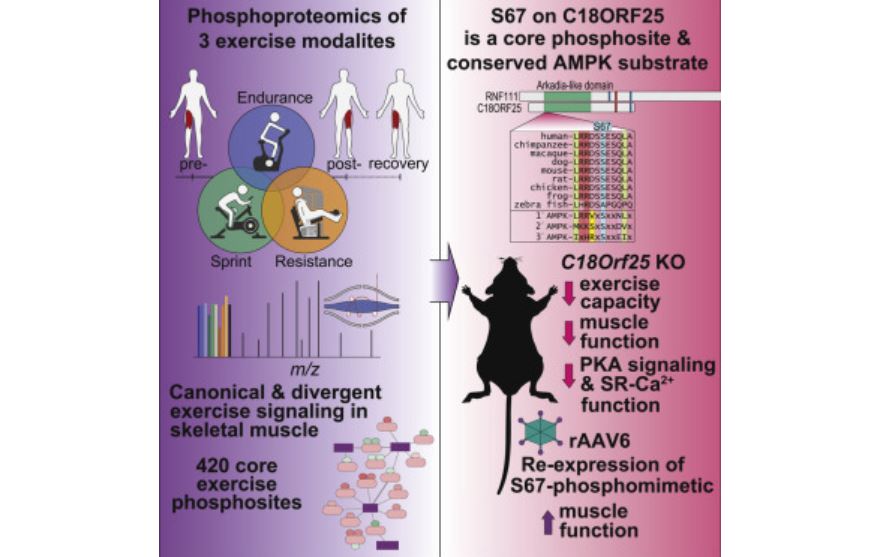
Researchers have identified a gene that promotes muscle strength when switched on by physical activity, unlocking the potential for the development of therapeutic treatments to mimic some of the benefits of working out.
Published in Cell Metabolism, the University of Melbourne-led study showed how different types of exercise change the molecules in our muscles, resulting in the discovery of the new C18ORF25 gene that is activated with all types of exercise and responsible for promoting muscle strength. Animals without C18ORF25 have poor exercise performance and weaker muscles.
Project lead Dr Benjamin Parker said by activating the C18ORF25 gene, the research team could see muscles become much stronger, without them becoming necessarily bigger.
“Identifying this gene may impac...
Read MoreNew Study finds Lowest Risk of Death was among Adults who Exercised 150-600 minutes/week
July 26, 2022,
Health/Medical, Biology/Biotechnology

An analysis of more than 100,000 participants over a 30-year follow-up period found that adults who perform two to four times the currently recommended amount of moderate or vigorous physical activity per week have a significantly reduced risk of mortality, according to new research published today in the American Heart Association’s flagship, peer-reviewed journal Circulation. The reduction was 21-23% for people who engaged in two to four times the recommended amount of vigorous physical activity, and 26-31% for people who engaged in two to four times the recommended amount of moderate physical activity each week.
It is well documented that regular physical activity is associated with reduced risk of cardiovascular disease and premature death...
Read More
Recent Comments