
fMRI tagged posts

Traffic Pollution Impairs Brain Function

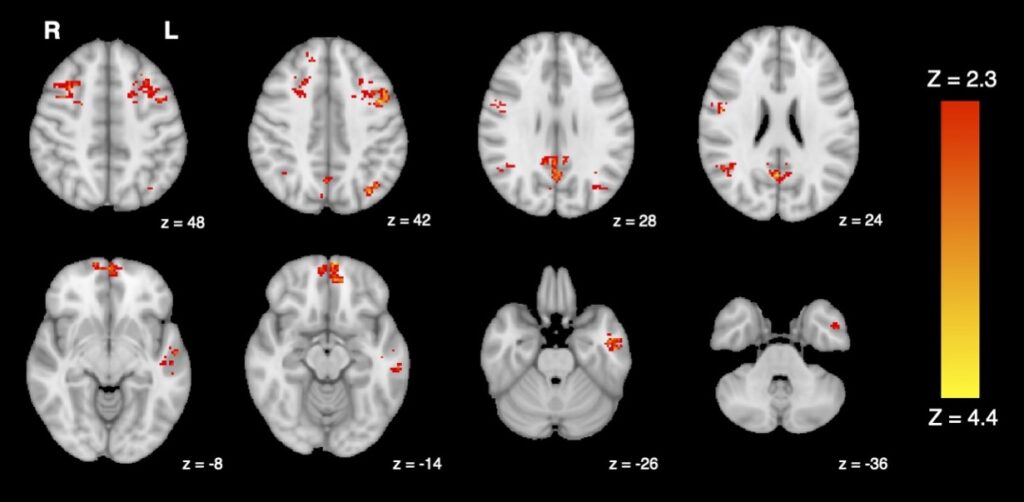
fMRI shows decreased functional connectivity in the brain following exposure to traffic pollution.

First-in-the-world study suggests that even brief exposure to air pollution has rapid impacts on the brain. A new study by researchers at the University of British Columbia and the University of Victoria has shown that common levels of traffic pollution can impair human brain function in only a matter of hours.

The peer-reviewed findings, published in the journal Environmental Health, show that just two hours of exposure to diesel exhaust causes a decrease in the brain’s functional connectivity – a measure of how The study provides the first evidence in humans, from a controlled experiment, of altered brain network connectivity induced by air pollution.

“For many decades, scientists...

Read More
Study reveals source of Remarkable Memory of ‘Superagers’

brain
Greater Neural Differentiation in the Ventral Visual Cortex Is Associated with Youthful Memory in Superaging

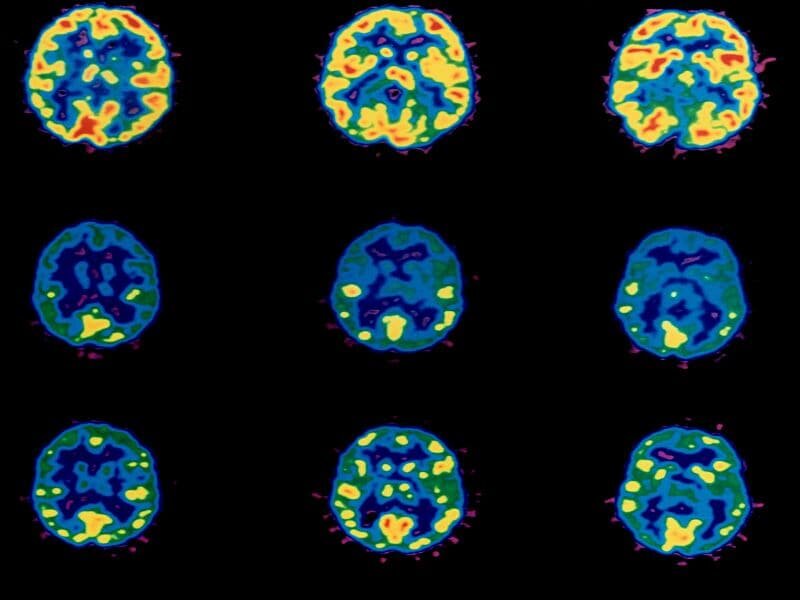
As we age, our brains typically undergo a slow process of atrophy, causing less robust communication between various brain regions, which leads to declining memory and other cognitive functions. But a rare group of older individuals called “superagers” have been shown to learn and recall novel information as well as a 25-year-old. Investigators from Massachusetts General Hospital (MGH) have now identified the brain activity that underlies superagers’ superior memory. “This is the first time we have images of the function of superagers’ brains as they actively learn and remember new information,” says Alexandra Touroutoglou, Ph.D...

Read More

Could Brain Scans spot children’s Mood, Attention problems early?

“We’re facing a tremendous epidemic with teen anxiety and depression, and we wanted to find an early marker that predicted the development of anxiety, depression and attentional symptoms,” said the study’s lead author, Susan Whitfield-Gabrieli. She’s a professor of psychology and director of the Northeastern University Biomedical Imaging Center, in Boston.

In a small sample of less than 100 children without known mental health concerns, the research team found that connections in certain areas of the brain seen at age 7 could help predict mental health concerns that developed four years later.

“The study could have great clinical implications,” Whitfield-Gabrieli said...

Read More

Plant Compounds may Boost Brain Function in Older Adults

Plant compounds may boost brain function in older adults, study says

Cutter Lindbergh, left, a doctoral candidate in the psychology department, and Stephen Miller, director of the Bio-Imaging Research Center, used fMRI technology to see how different levels of carotenoids, chemical compounds derived from fruits and vegetables, affected brain functioning in older adults. Credit: UGA

The same compounds that give plants and vegetables their vibrant colors might be able to bolster brain functioning in older adults, according to a recent study from University of Georgia. The research is the first to use fMRI technology to investigate how levels of those compounds affect brain activity and showed that study participants with lower levels had to rely on more brain power to complete memory-oriented tasks...

Read More