
Gut Microbes tagged posts

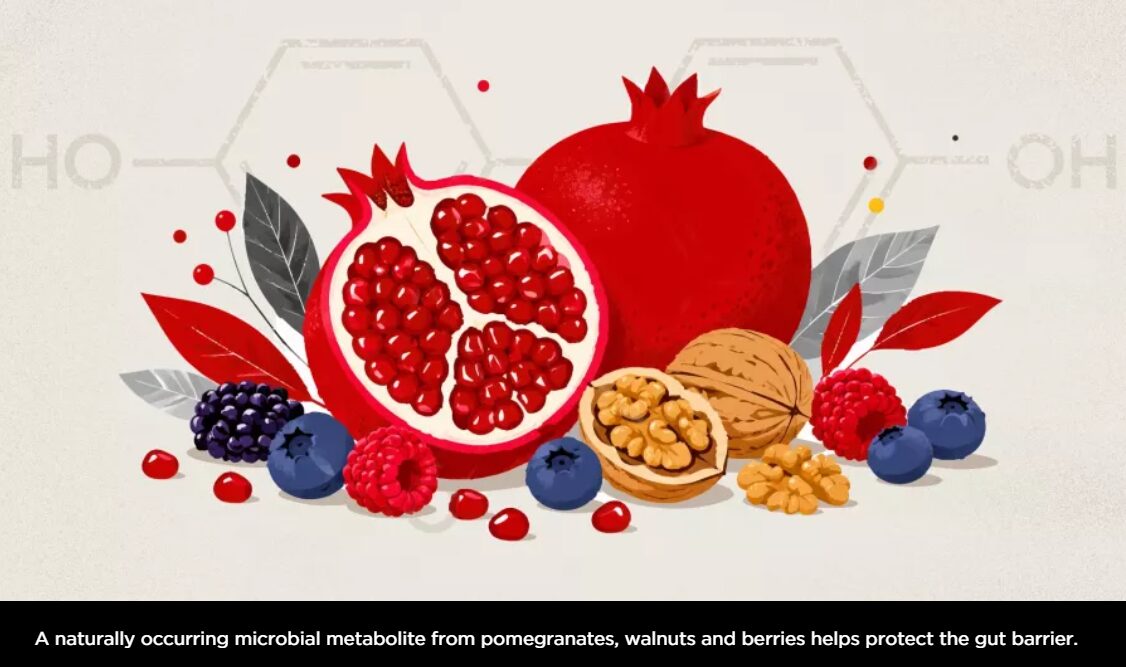
Scientists unlock gut-healing power of fruits and nuts paired with the right gut microbes

University of Louisville researchers have discovered how a naturally occurring microbial compound may help protect the gut and support future treatment strategies for inflammatory bowel disease (IBD).

IBD, which includes conditions such as Crohn’s disease and ulcerative colitis, affects millions of people worldwide. The disease is characterized by chronic inflammation and damage to the intestinal lining. A healthy gut barrier helps keep harmful bacteria from leaking out of the intestines while allowing nutrients to enter the body. In people with IBD, that barrier becomes weakened, leading to inflammation, pain and long-term complications.

A research team led by Venkatakrishna Rao Jala, associate professor in the Department of Microbiology and Immunology and UofL’s Brown Cancer C...

Read More

Your gut microbes can be anti-aging—scientists are uncovering how to keep your microbiome youthful

People have long given up on the search for the Fountain of Youth, a mythical spring that could reverse aging. But for some scientists, the hunt has not ended—it’s just moved to a different place. These modern-day Ponce de Leóns are investigating whether gut microbes hold the secret to aging well.

The gut microbiome refers to the vast collection of microscopic organisms—bacteria, fungi, and viruses—that largely inhabit the colon. These microbes aid in digestion and produce molecules that affect your physiology and psychology. The composition of the microbiome is influenced by a combination of factors, including genetics, diet, the environment, medications, and age.

I’m a microbiology professor and author of “Pleased to Meet Me: Genes, Germs and the Curious Forces That Mak...

Read More

Newly discovered ‘sixth sense’ links gut microbes to the brain in real time

Sixth Sense' Links Gut Microbes to the Brain in Real Time - ScienceBlog.com

In a breakthrough that reimagines the way the gut and brain communicate, researchers have uncovered what they call a “neurobiotic sense,” a newly identified system that lets the brain respond in real time to signals from microbes living in our gut.

The new research, led by Duke University School of Medicine neuroscientists Diego Bohórquez, Ph.D., and M. Maya Kaelberer, Ph.D., published in Nature, centers on neuropods, tiny sensor cells lining the colon’s epithelium. These cells detect a common microbial protein and send rapid messages to the brain that help curb appetite.

But this is just the beginning...

Read More

Gut microbes release cancer-fighting bile acids that block hormone signals

Gut microbes release cancer-fighting bile acids that block hormone signals
Graphical abstract. Credit: Cell (2025). DOI: 10.1016/j.cell.2025.02.029

Bacteria naturally present in the human intestine (known as the gut microbiota) can transform cholesterol-derived bile acids into powerful metabolites that strengthen anti-cancer immunity by blocking androgen signaling, according to a preclinical study led by Weill Cornell Medicine investigators. The study was published on April 15 in Cell.

“I was very surprised by our findings. As far as I know, no one has previously discovered molecules like these bile acids that can interact with the androgen receptor in this way,” said co-senior author Dr...

Read More