Gut microbiota tagged posts

Boosting good gut bacteria population through targeted interventions may slow cognitive decline

Boosting good gut bacteria population through targeted interventions may slow cognitive decline
Microbiota-targeted interventions are associated with improvements in memory, executive function, and global cognition. Credit: Darryl Leja, National Human Genome Research Institute, National Institutes of Health

The origin of neurodegenerative diseases like Alzheimer’s or dementia isn’t limited to the brain. The state of your gut can quietly set off a cycle of chronic, system-wide inflammation that nudges the brain toward cognitive decline. But how does the pathogenesis of a disease that seems purely brain-based begin in the gut—an organ that is mostly busy producing chemicals for digesting food?

It turns out these two entities are linked by the gut-brain axis, a two-way communication superhighway that constantly sends signals between the digestive tract and the central nervous s...

Read More

AI nutrition study finds ‘five everyday’ may keep the doctor away

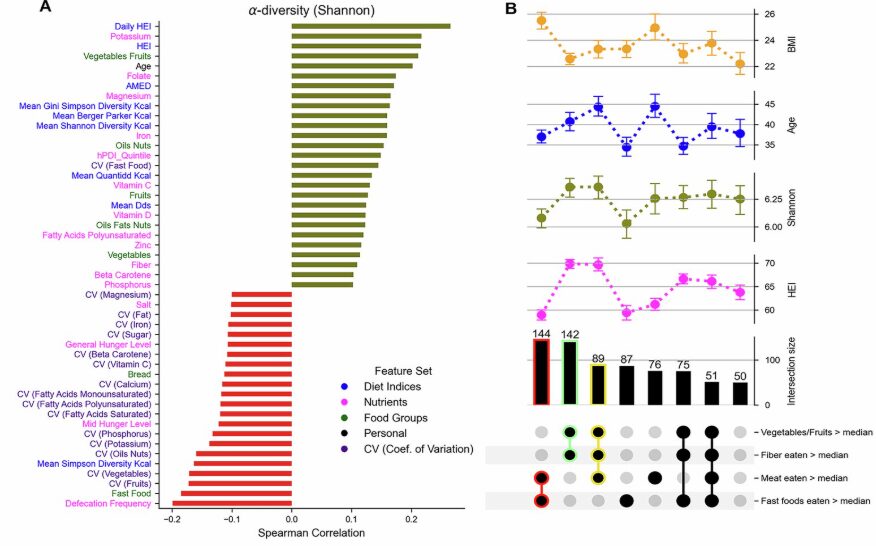
Alpha diversity comparison across physiological and dietary factors and demographic differences with respect to subsets of individuals differing by their median nutritional intake (g/day). Credit: Nature Communications (2025). DOI: 10.1038/s41467-025-63799-z

In a new study using AI and machine learning, EPFL researchers have found that it’s not only what we eat, but how consistently we eat it that plays a crucial role in gut health.

The gut microbiota is the community of microorganisms, including bacteria, viruses, fungi and other microbes, that lives in our digestive systems—some of these microbes are helpful and others can be harmful.

Many previous studies have shown that what we eat has an impact on our gut microbiota...

Read More

Clinical trial shows constipation drug can treat patients with chronic kidney disease

World's first clinical trial showing lubiprostone aids kidney function
Administering lubiprostone alters gut microbiota, leading to improved mitochondrial function and suppression of inflammation. This improved renal function by increasing the levels of aguA and polyamines. Credit: Shun Watanabe

Chronic kidney disease (CKD) is a major health issue worldwide. Many patients end up requiring regular dialysis to avoid kidney failure and stay alive. Despite the severity of the condition, there are currently no drugs available that improve kidney function.

A research group led by Tohoku University Graduate School of Medicine’s Professor Takaaki Abe has found a remarkable solution to treat patients with CKD by co-opting a drug typically used for constipation...

Read More

Chronic Stress Accelerates Colorectal Cancer Progression by Disrupting the Balance of Gut Microbiota, study shows

intestine
Credit: CC0 Public Domain

Cutting-edge research has uncovered how chronic stress disrupts the balance of gut microbiota to speed up the progression of colorectal cancer (CRC), opening new avenues for CRC prevention and treatment.

By eliminating certain gut bacteria and inducing stress, researchers were able to conclude a relationship between stress and gut microbiota in the progression of CRC, identifying a particular bacterial species as a potential therapeutic target.

Presenting the study at UEG Week 2024, lead researcher Dr...

Read More