heart disease tagged posts

Immune Cells produce Chemical Messenger that Prevents Heart disease–related Inflammation

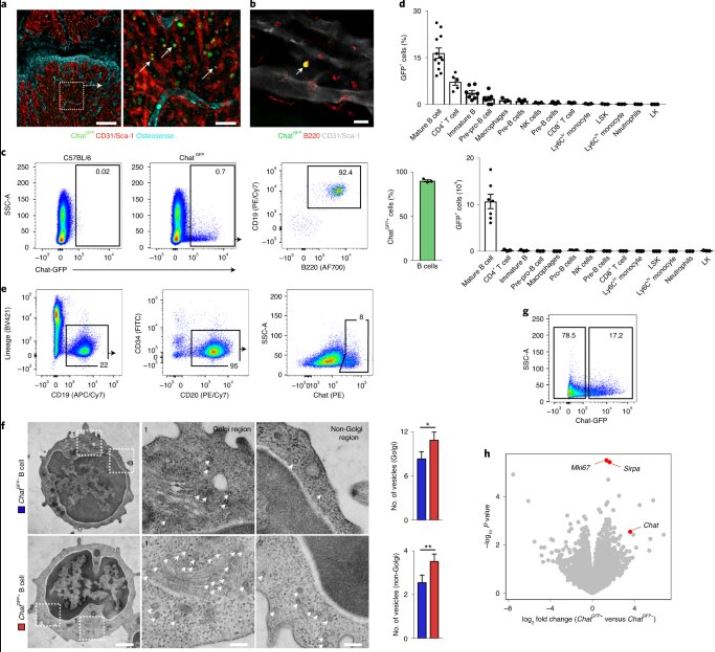
The immune system’s white blood cells, which are produced in the bone marrow, mostly help to defend against bacteria and injury, but sometimes they can turn against the body—for example, in cardiovascular disease, their inflammatory aggression can harm arteries and the heart. New research in Nature Immunology that was led by investigators at Massachusetts General Hospital (MGH) provides insights into the pathways that increase or decrease the bone marrow’s output of these cells. The findings may lead to new treatments for conditions that arise when the balance of white blood cell production goes awry.

Senior author Matthias Nahrendorf, MD, Ph.D...

Read More

Intermittent Fasting can help Manage Metabolic Disease

Popular diet trend could reduce the risk of diabetes and heart disease. Eating your daily calories within a consistent window of 8-10 hours is a powerful strategy to prevent and manage chronic diseases such as diabetes and heart disease, according to a new manuscript published in the Endocrine Society’s journal, Endocrine Reviews.

Time-restricted eating is a type of intermittent fasting that limits your food intake to a certain number of hours each day. Intermittent fasting is one of the most popular diet trends, and people are using it to lose weight, improve their health and simplify their lifestyles.

“People who are trying to lose weight and live a healthier lifestyle should pay more attention to when they eat as well as what they eat...

Read More

Study reveals missing Link between High-Fat Diet, Microbiota and Heart Disease

Mariana Byndloss, DVM, PhD, Woongjae Yoo, PhD, and colleagues are studying how a high-fat diet may contribute to heart disease. (Photo taken prior to revised masking guidelines.)
Mariana Byndloss, DVM, PhD, Woongjae Yoo, PhD, and colleagues are studying how a high-fat diet contributes to heart disease. (photo by Donn Jones, taken prior to revised masking guidelines)

A high-fat diet disrupts the biology of the gut’s inner lining and its microbial communities — and promotes the production of a metabolite that may contribute to heart disease, according to a study published Aug. 13 in the journal Science.

The discoveries in animal models support a key role for the intestines and microbiota in the development of cardiovascular disease, said Mariana Byndloss, DVM, PhD, assistant professor of Pathology, Microbiology and Immunology at Vanderbilt University Medical Center.

The intestines, she noted, have been relatively understudied by scientists seeking to unders...

Read More

World’s Smallest Imaging Device has Heart Disease in focus

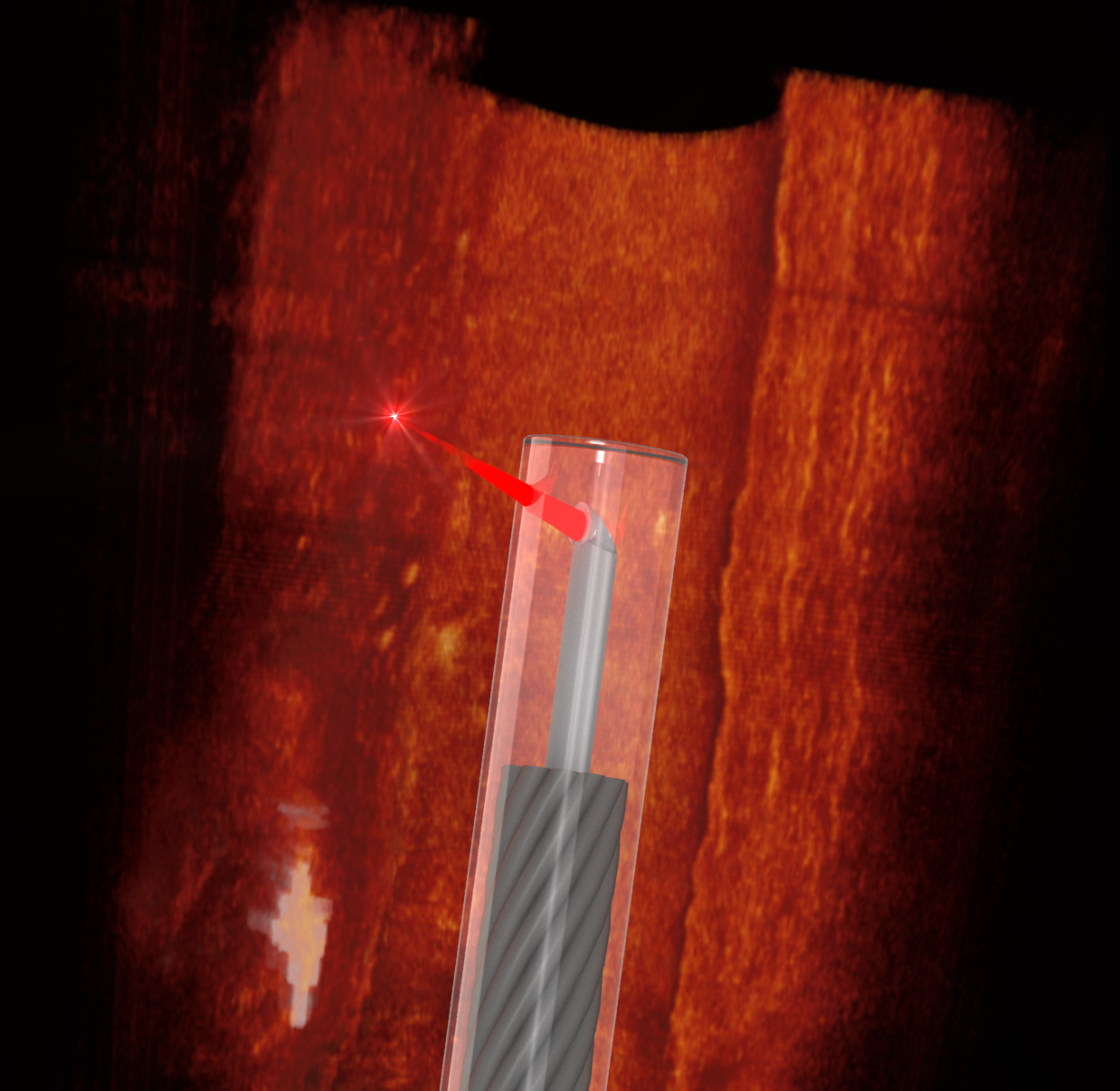
Ultrathin 3D printed endoscope imaging an artery_credit_ Simon Thiele and Jiawen Li
Ultrathin 3D printed endoscope imaging an artery – photo by Simon Thiele and Jiawen Li.

A team of researchers led by the University of Adelaide and University of Stuttgart has used 3D micro-printing to develop the world’s smallest, flexible scope for looking inside blood vessels.

The camera-like imaging device can be inserted into blood vessels to provide high quality 3D images to help scientists better understand the causes of heart attack and heart disease progression, and could lead to improved treatment and prevention.

In a study published in the journal Light: Science & Applications, a multidisciplinary team of researchers and clinicians was able to 3D print a tiny lens on to the end of an optical fibre, the thickness of a human hair.

The imaging device is so small that r...

Read More