
hypoxia tagged posts

Experimental cancer vaccine makes its own oxygen and gives T cells a boost

This cancer vaccine makes its own oxygen and gives T-cells a boost
This sponge-like cryogel cancer vaccine does double duty: training immune cells while generating oxygen to help them fight tumors. Credit: Matthew Modoono/Northeastern University

When it comes to priorities in life, oxygen tops the list. Humans can go weeks without food and days without water. Take away the ability to breathe, however, and the clock starts ticking within minutes as the brain begins shutting down. But the life-giving gas does even more heavy lifting than you might think.

The immune system, which battles cancer with the help of specialized fighters, such as T cells, relies on oxygen to mount its attack.

Now, Bouvé College of Health Sciences professor and director of the pharmaceutical and biomedical sciences graduate program Stephen Hatfield and his colleagues are ...

Read More
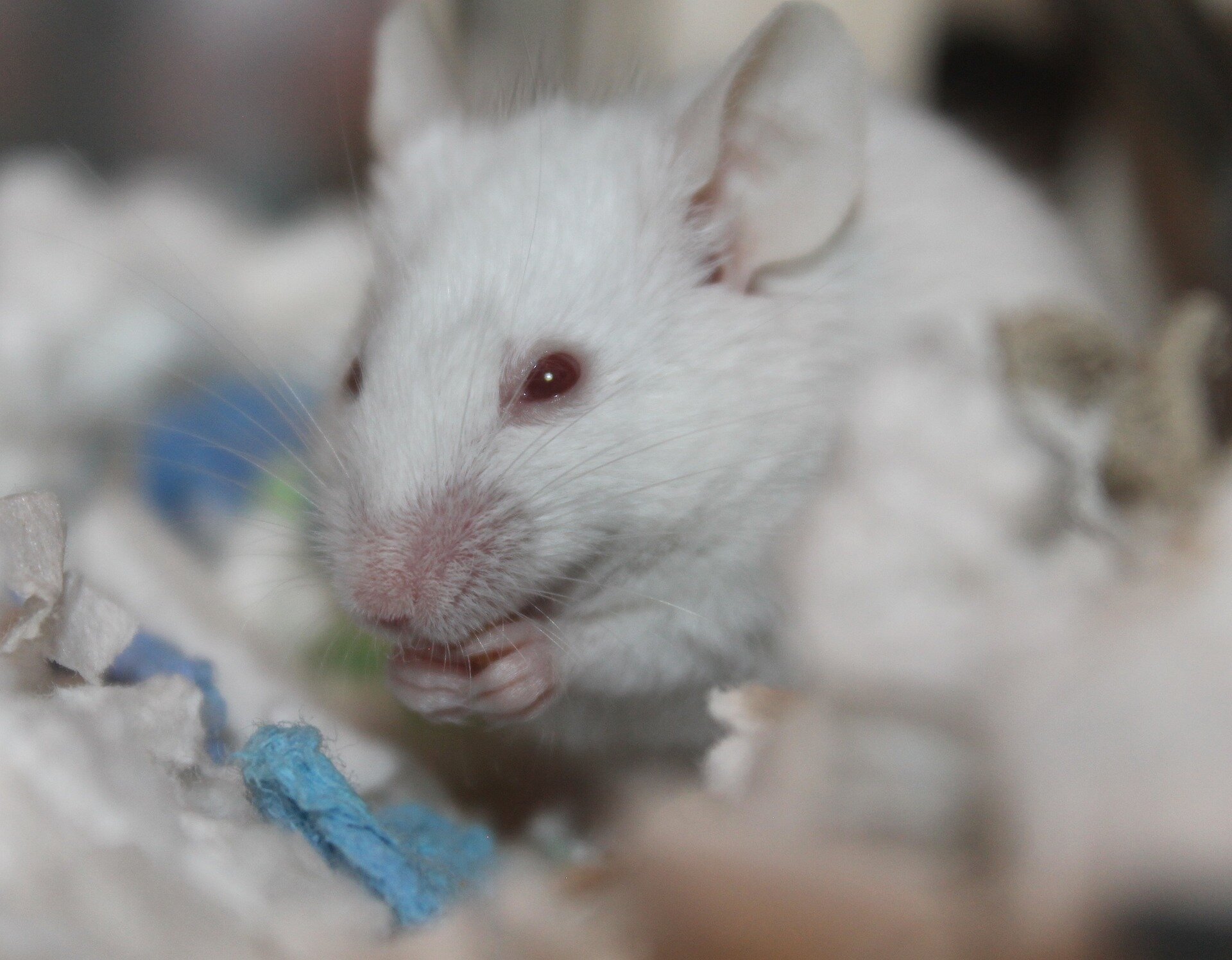
Oxygen Restriction helps Fast-Aging Lab Mice Live Longer

lab mouse
Credit: Pixabay/CC0 Public Domain

For the first time, researchers have shown that reduced oxygen intake, or “oxygen restriction,” is associated with longer lifespan in lab mice, highlighting its anti-aging potential. Robert Rogers of Massachusetts General Hospital in Boston, US, and colleagues present these findings in a study published May 23rd in the open access journal PLOS Biology.

Research efforts to extend healthy lifespan have identified a number of chemical compounds and other interventions that show promising effects in mammalian lab animals— for instance, the drug metformin or dietary restriction. Oxygen restriction has also been linked to longer lifespan in yeast, nematodes, and fruit flies. However, its effects in mammals have been unknown.

To explore the anti-aging...

Read More

How Microbes can Exacerbate Cognitive Decline

The gut microbiota comprises trillions of bacteria and other microbes that live in the intestines and affect health in multiple ways. Alpha Tauri 3D Graphics/Shutterstock

Recent research has found that changes in the gut microbiota — the trillions of bacteria and other microbes that live in the intestines — can alter the brain and behavior. Now, a study led by scientists at UCLA could elucidate how and why that phenomenon occurs.

In the experiment, which was conducted with mice, researchers found that gut microbes can exacerbate the effects of cognitive impairment because of how they affect the hippocampus, the region of the brain that is critical for memory and learning...

Read More