
IL-1β tagged posts

The gut can drive age-associated memory loss, research reveals

The gut can drive age-associated memory loss
An intestinal immune cell detects medium-chain fatty acids produced by aging gut bacteria through the GPR84 receptor, releasing inflammatory molecules that block signaling along the vagus nerve to the hippocampus. Disruption of this gut-brain pathway drives age-associated cognitive decline. Credit: Thaiss Lab

We become forgetful as we age. This is often seen as a universal truth, but in fact it is far from universal: some people remain incredibly sharp at 100 years old, while others experience memory loss starting in middle age.

While it seems logical that age-related cognitive decline would be blamed on brain aging and degeneration (which, like anything in the brain, is notoriously hard to treat), there’s some evidence that processes elsewhere in the body influence the brain’s abil...

Read More
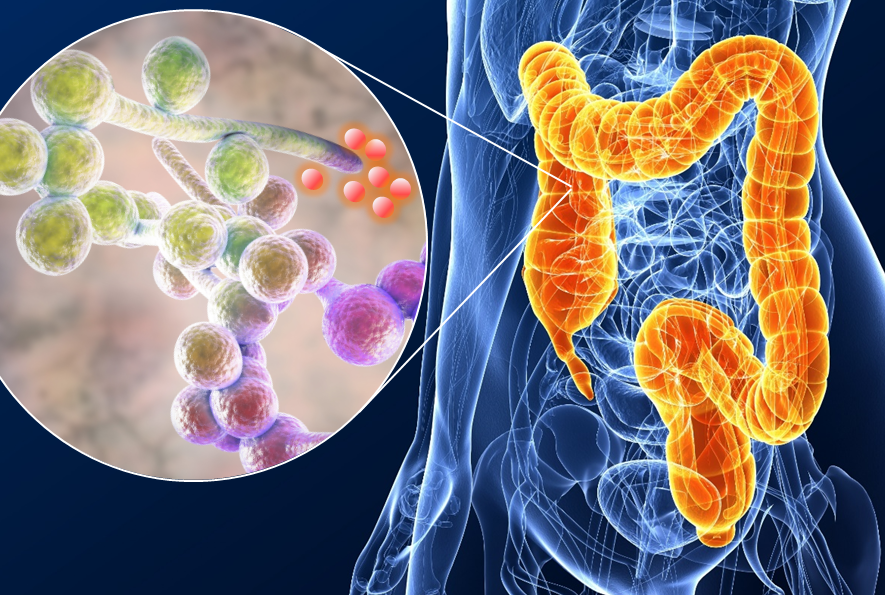
Toxin-producing Yeast Strains in Gut Fuel IBD

Opportunistic “high-damaging” Candida albicans strain in the colon mucosa of IBD patient secretes the toxin candidalysin (red dots) during the transition from a benign commensal to a pathogenic state and aggravates intestinal inflammation. Credit: Shutterstock

Individual Candida albicans yeast strains in the human gut are as different from each other as the humans that carry them, and some C. albicans strains may damage the gut of patients with inflammatory bowel disease (IBD), according to a new study from researchers at Weill Cornell Medicine. The findings suggest a possible way to tailor treatments to individual patients in the future.

The researchers, who report their findings March 16 in Nature, used an array of techniques to study strains, or genetic variants, of Candida f...

Read More

New biomarkers show Exercise helps Reduce daytime Sleep Disorder

Researchers looking at blood samples identified two biological markers for the condition, hypersomnia.

Researchers looking at blood samples identified two biological markers for the condition, hypersomnia.

Aerobic exercise can help alleviate excessive daytime sleepiness among depressed individuals. Researchers looking at blood samples identified two biological markers for the condition, called hypersomnia, which is characterized by sleeping too much at night as well as excessive daytime sleepiness, in those with Major Depressive Disorder.

“Hypersomnia, as well as insomnia, have been linked in the development, treatment, and recurrence of depression. Sleep disturbances are also some of the most persistent symptoms in depression...

Read More