immune response tagged posts

Obesity: A Dangerous Immune Response

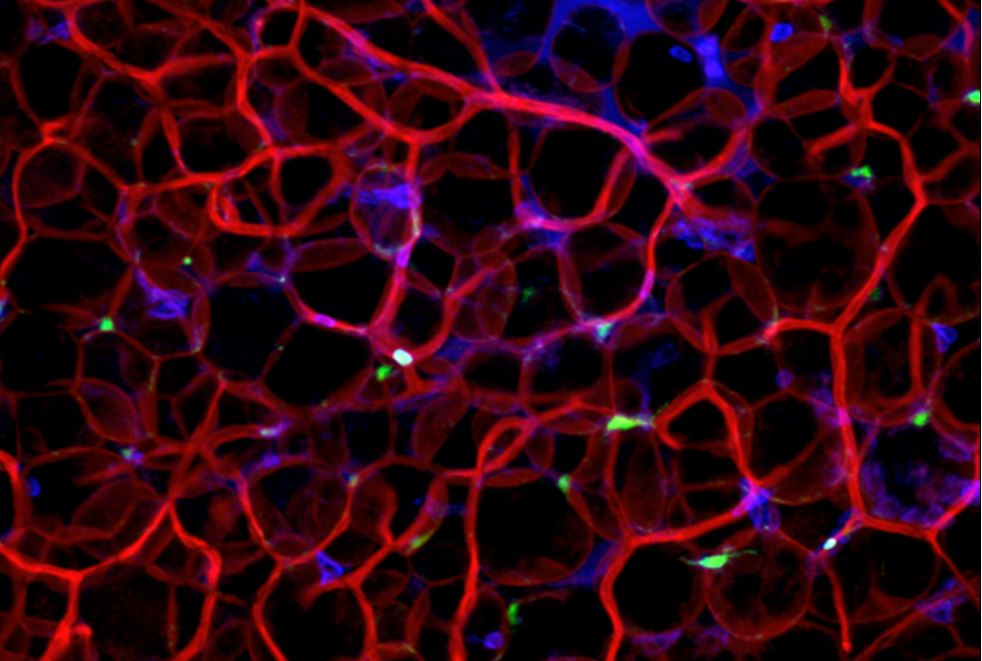
Vasculature in murine visceral adipose tissue (red: blood vessels, green: pDCs, blue: hematopoietic cells)

Researchers show which molecular processes promote secondary diseases in obesity. Obesity and overweight are among the biggest health challenges of the 21st century, according to the World Health Organization (WHO). Almost 60 percent of Germans are considered overweight, while 25 percent are obese. Moreover, being overweight often triggers severe secondary diseases such as diabetes, arteriosclerosis, or heart attacks.

Immunological processes determine the course of this disease. As part of a new study, a group of LMU researchers led by Dr...

Read More

All gas, no brakes: Testosterone may act as ‘Brake Pedal’ on Immune Response

In doing so, a researcher has found it could protect men from stomach inflammation. Autoimmune diseases have something in common with horses, bachelor’s degrees and daily flossing habits: women are more likely to have them.

One reason for autoimmune diseases’ prevalence in women may be sex-based differences in inflammation. In a new study, West Virginia University researcher Jonathan Busada investigated how sex hormones affect stomach inflammation in males and females. He found that androgens — or male sex hormones — may help to keep stomach inflammation in check.

“Stomach cancer is primarily caused by rampant inflammation,” said Busada, an assistant professor in the School of Medicine and researcher with the Cancer Institute...

Read More

‘Relaxed’ T Cells Critical to Immune Response

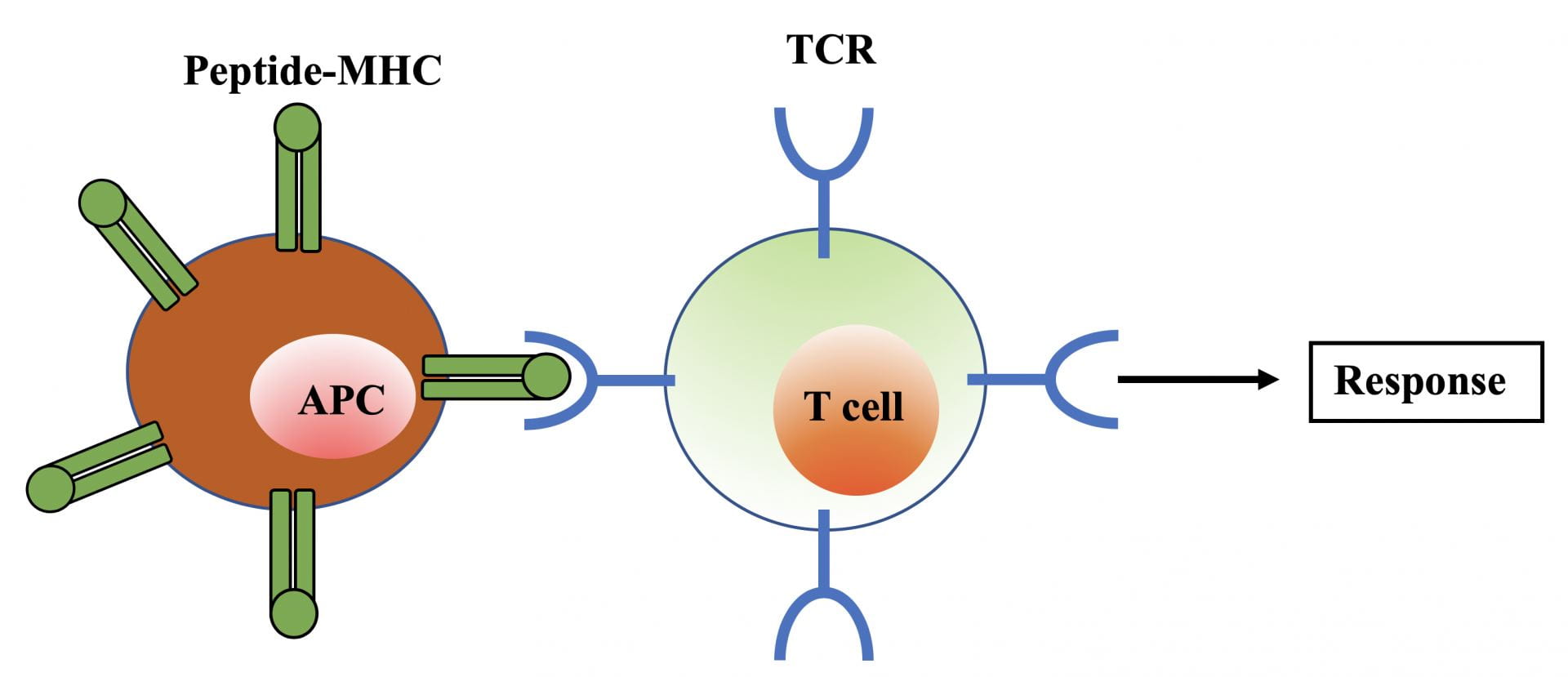
Rice University scientists’ simple model of T cell activation of the immune response shows the T cell binding, via a receptor (TCR) to an antigen-presenting cell (APC). If an invader is identified as such, the response is activated, but only if the “relaxation” time of the binding is long enough. Illustration by Hamid Teimouri

Like finding that needle in the haystack every time, your T cells manage what seems like an improbable task: Quickly finding a few invaders among the many imposters in your body to trigger its immune response.

T cells have to react fast and do so nearly perfectly to protect people from diseases. But first, they need a little “me” time.

Rice University researchers suggest that has to do with how T cells “relax” in the process of binding to ligands—shor...

Read More

Father’s Diet impacts on Son’s Ability to Reproduce, study in flies suggests

Father and son

High-protein paternal diet confers an advantage to sons in sperm competition. Biology Letters, 2017; 13 (2): 20160914 DOI: 10.1098/rsbl.2016.0914

New research involving Monash University biologists has debunked the view that males just pass on genetic material and not much else to their offspring. Instead, it found a father’s diet can affect their son’s ability to out-compete a rival’s sperm after mating. The study sought to understand if the nutritional history of fathers had an effect on their sons. Experiments were carried out in the fruit fly, which shares many similar pathways and characteristics with human genes.

Dr Susanne Zajitschek from the School of Biological Sciences, said the study highlighted the importance of the paternal environment on future generations, even a long time b...

Read More