
immune system tagged posts

COVID-19 Can Trigger Self-Attacking Antibodies

Photo by Getty Images.
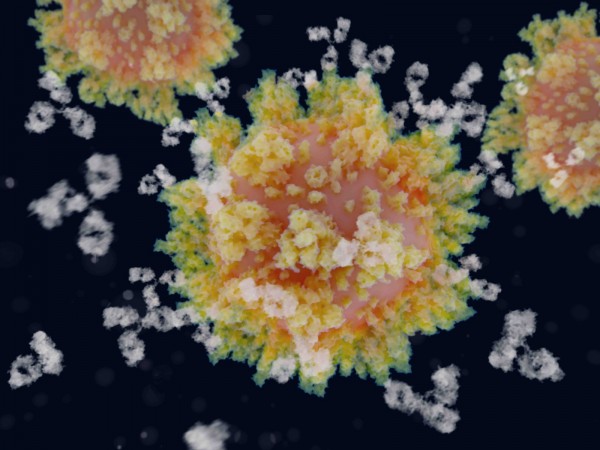
An illustration of antibodies (Y-shaped) responding to SARS-CoV-2 (orange), the novel coronavirus that causes COVID-19.

Infection with the virus that causes COVID-19 can trigger an immune response that lasts well beyond the initial infection and recovery—even among people who had mild symptoms or no symptoms at all, according to Cedars-Sinai investigators. The findings are published in the Journal of Translational Medicine.

When people are infected with a virus or other pathogen, their bodies unleash proteins called antibodies that detect foreign substances and keep them from invading cells. In some cases, however, people produce autoantibodies that can attack the body’s own organs and tissues over time.

The Cedars-Sinai investigators found that people w...

Read More
New Breakthrough to Help Immune Systems in the Fight against Cancer

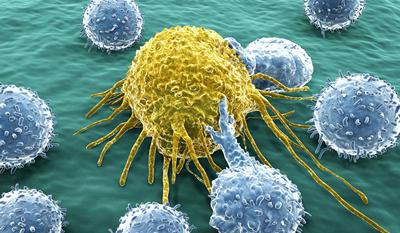
Cancer cell

New research has identified potential treatment that could improve the human immune system’s ability to search out and destroy cancer cells within the body. Scientists have identified a way to restrict the activity of a group of cells which regulate the immune system, which in turn can unleash other immune cells to attack tumours in cancer patients.

“A patient’s immune system is more than able to detect and remove cancer cells and immunotherapy has recently emerged as a novel therapy for many different types of cancers.” Explained Nullin Divecha, Professor of Cell Signalling at the University of Southampton who led the study...

Read More

New Treatment Stops Progression of Alzheimer’s disease in Monkey Brains

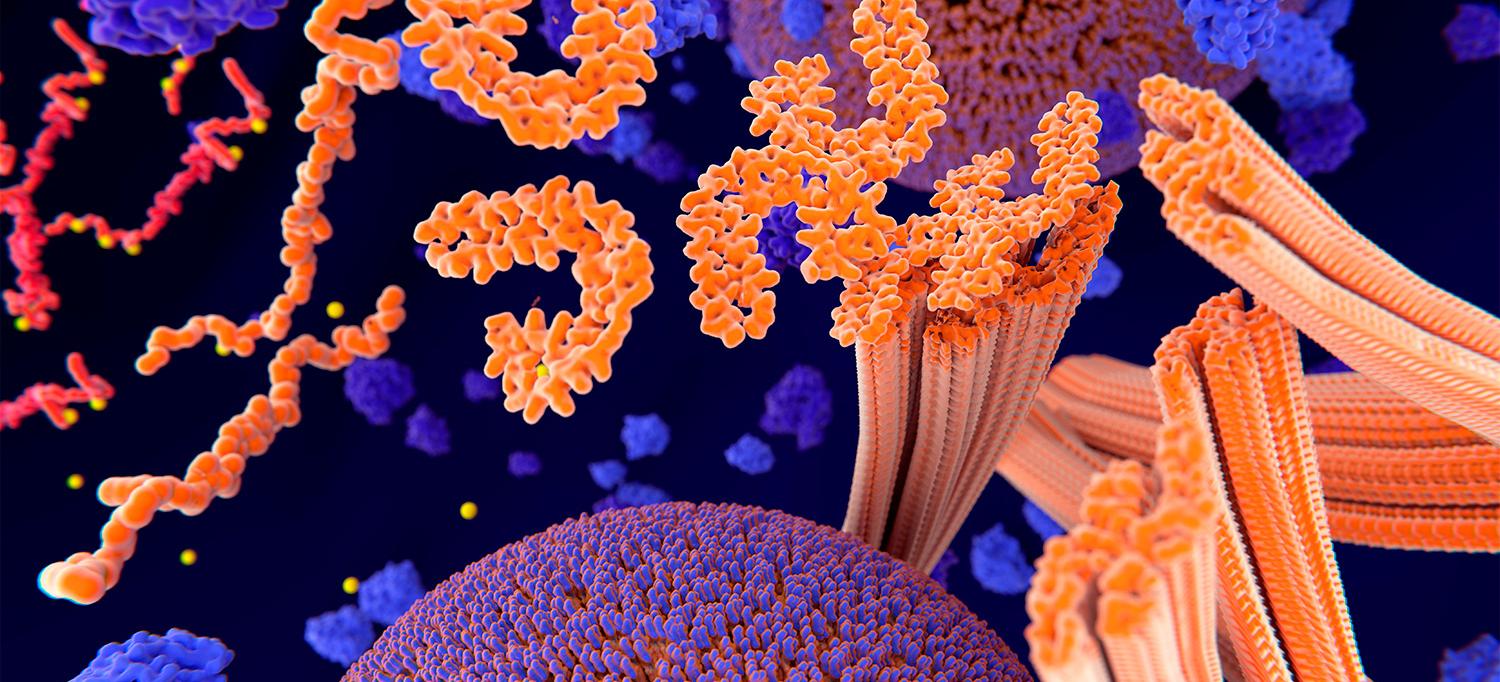
Rendering of Tau Protein in Alzheimer's Disease
PHOTO: JUAN GAERTNER/SCIENCE PHOTO LIBRARY/GETTY

A new therapy prompts immune defense cells to swallow misshapen proteins, amyloid beta plaques and tau tangles, whose buildup is known to kill nearby brain cells as part of Alzheimer’s disease, a new study shows.

Led by researchers at NYU Grossman School of Medicine, the investigation showed that elderly monkeys had up to 59 percent fewer plaque deposits in their brains after treatment with CpG oligodeoxynucleotides (CpG ODN), compared with untreated animals. These amyloid beta plaques are protein fragments that clump together and clog the junctions between nerve cells (neurons).

Brains of treated animals also had a drop in levels of toxic tau...

Read More

New link between Personality and Risk of Early Death

Dr Páraic Ó Súilleabháin, from the Department of Psychology and Health Research Institute at University of Limerick, who was principal investigator on the study

Ground-breaking research led by University of Limerick has revealed for the first time that the immune system directly links personality to long-term risk of death. The study sheds new light on why people who are more conscientious tend to live longer.

Results from the new international study published in the journal Brain, Behavior, and Immunity have found that the immune system plays a previously unknown role in the link between personality traits and long-term risk of death.

“Personality is known to be associated with long-term risk of death, it is a well replicated finding observed across numerous research studies...

Read More