

Obesity caused by disrupted stress-hormone rhythms is metabolically very different from obesity caused by a high-fat diet, according to a new preclinical study by Weill Cornell Medicine investigators...
Read More

September 11, 2026,
 Health/Medical, Biology/Biotechnology
Obesity caused by disrupted stress-hormone rhythms is metabolically very different from obesity caused by a high-fat diet, according to a new preclinical study by Weill Cornell Medicine investigators...
Read More
June 23, 2025,
Health/Medical, Biology/Biotechnology

Insulin resistance detected by routine triglyceride-glucose (TyG) index can flag people with early Alzheimer’s who are four times more likely to present rapid cognitive decline, according to new research presented at the European Academy of Neurology (EAN) Congress 2025.
Neurologists at the University of Brescia reviewed records of 315 non-diabetic patients with cognitive deficits, including 200 with biologically confirmed Alzheimer’s disease. All subjects underwent an assessment of insulin resistance using the TyG index and a clinical follow-up of three years.
The work is published in the journal Alzheimer’s & Dementia.
When patients were divided according to the TyG index, those in the highest third of the Mild Cognitive Impairment AD subgrou...
Read More
June 2, 2025,
Biology/Biotechnology, Health/Medical
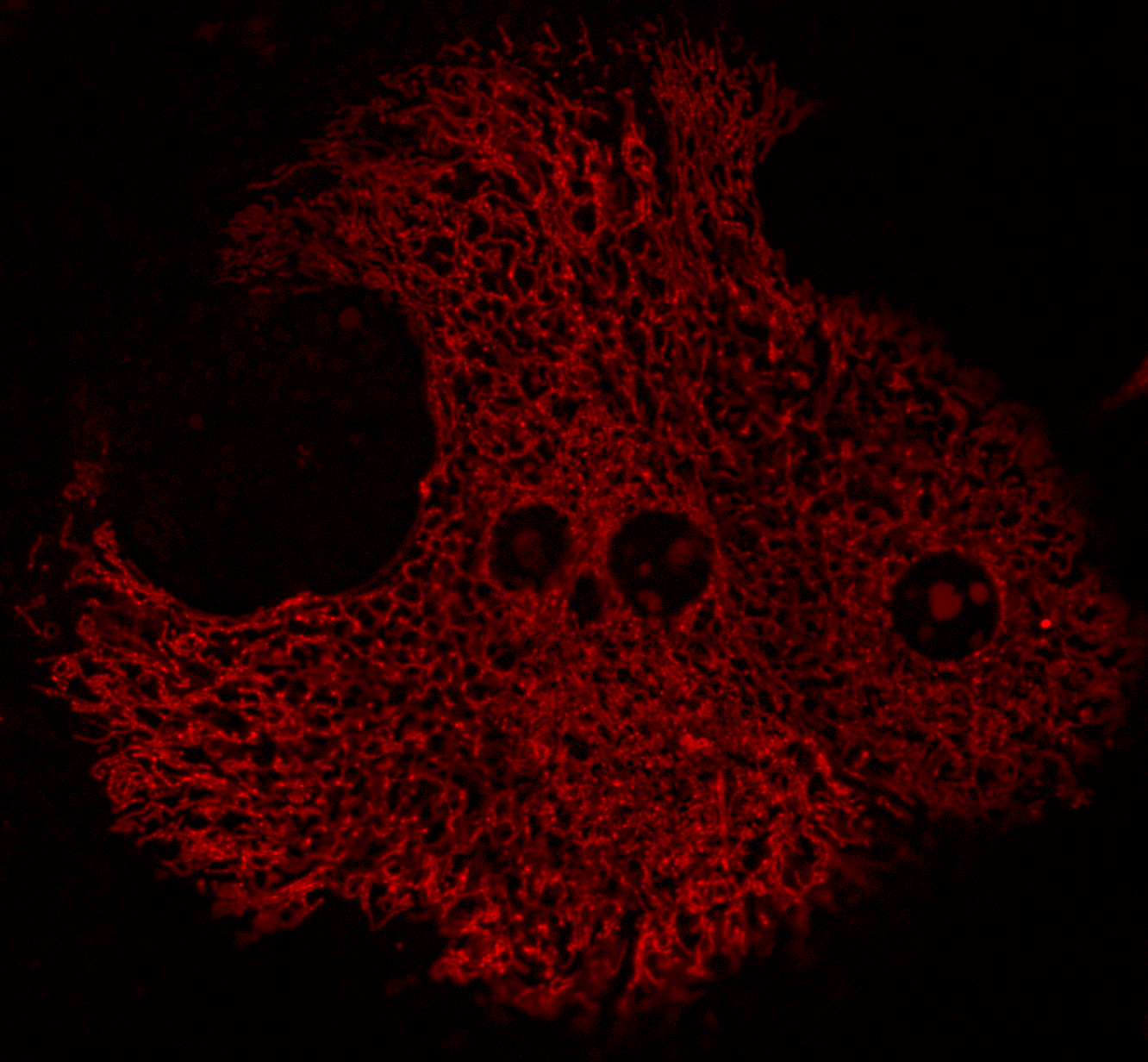
A newly discovered mechanism that leads to liver dysfunction may be a key factor in type 2 diabetes and other metabolic disorders in individuals with obesity, according to a new study led by Harvard T.H. Chan School of Public Health.
The dysfunction identified—dysregulated hepatic coenzyme Q metabolism—leads to excessive reactive oxygen species (ROS) produced by mitochondria at a single specific site in an enzyme called complex I. The researchers say the discovery offers a potential path for new, precise treatments for metabolic diseases.
“Our findings provide the first step toward solving a complex problem in the field of metabolic disease research that has stood for three decades,” said corresponding author Gökhan S...
Read More
December 26, 2024,
Health/Medical, Biology/Biotechnology

Red meat has been a part of diets worldwide since early man. It is an excellent source of protein, vitamins (such as B vitamins) and minerals (such as iron and zinc). However, red meat has long been associated with increasing the risk of heart disease, cancer and early death. What may not be so well known is the link between red meat consumption and type 2 diabetes.
A paper published in The Lancet in September 2024 highlighted this link to type 2 diabetes using data from the Americas, the Mediterranean, Europe, south-east Asia and the Western Pacific (20 countries included).
This recent study, with nearly 2 million participants, found that high consumption of unprocessed red meat, such as beef, lamb and pork, and processed meat, such as bacon, sa...
Read More
Recent Comments