

laser tagged posts

New Microchip Links Two Nobel Prize-winning Techniques

New microchip links two Nobel Prize-winning techniques
Artists’ impression of the trampoline-shaped sensor. The laser beam that passes through the middle of the trampoline membrane creating the overtone vibrations inside the material. Credit: Sciencebrush

Physicists at Delft University of Technology have built a new technology on a microchip by combining two Nobel Prize-winning techniques for the first time. This microchip could measure distances in materials at high precision—for example, underwater or for medical imaging.

Because the technology uses sound vibrations instead of light, it is useful for high-precision position measurements in opaque materials. The instrument could lead to new techniques to monitor the Earth’s climate and human health. The work is now published in Nature Communications.

Simple and low-power technolog...

Read More

Scientists use Laser to Guide Lightning Bolt for First Time

Deflecting lightning with a laser lightning rod

Scientists said Monday they have used a laser beam to guide lightning for the first time, hoping the technique will help protect against deadly bolts—and one day maybe even trigger them.

Lightning strikes between 40-120 times a second worldwide, killing more than 4,000 people and causing billions of dollars worth of damage every year.

Yet the main protection against these bolts from above is still the humble lightning rod, which was first conceived by American polymath Benjamin Franklin in 1749.

A team of scientists from six research institutions have been working for years to use the same idea but replace the simple metal pole with a far more sophisticated and precise laser.

Now, in a study published in the journal Nature Photonics, they describe using a laser beam—shot...

Read More

A Light Bright and Tiny: Scientists build a better Nanoscale LED

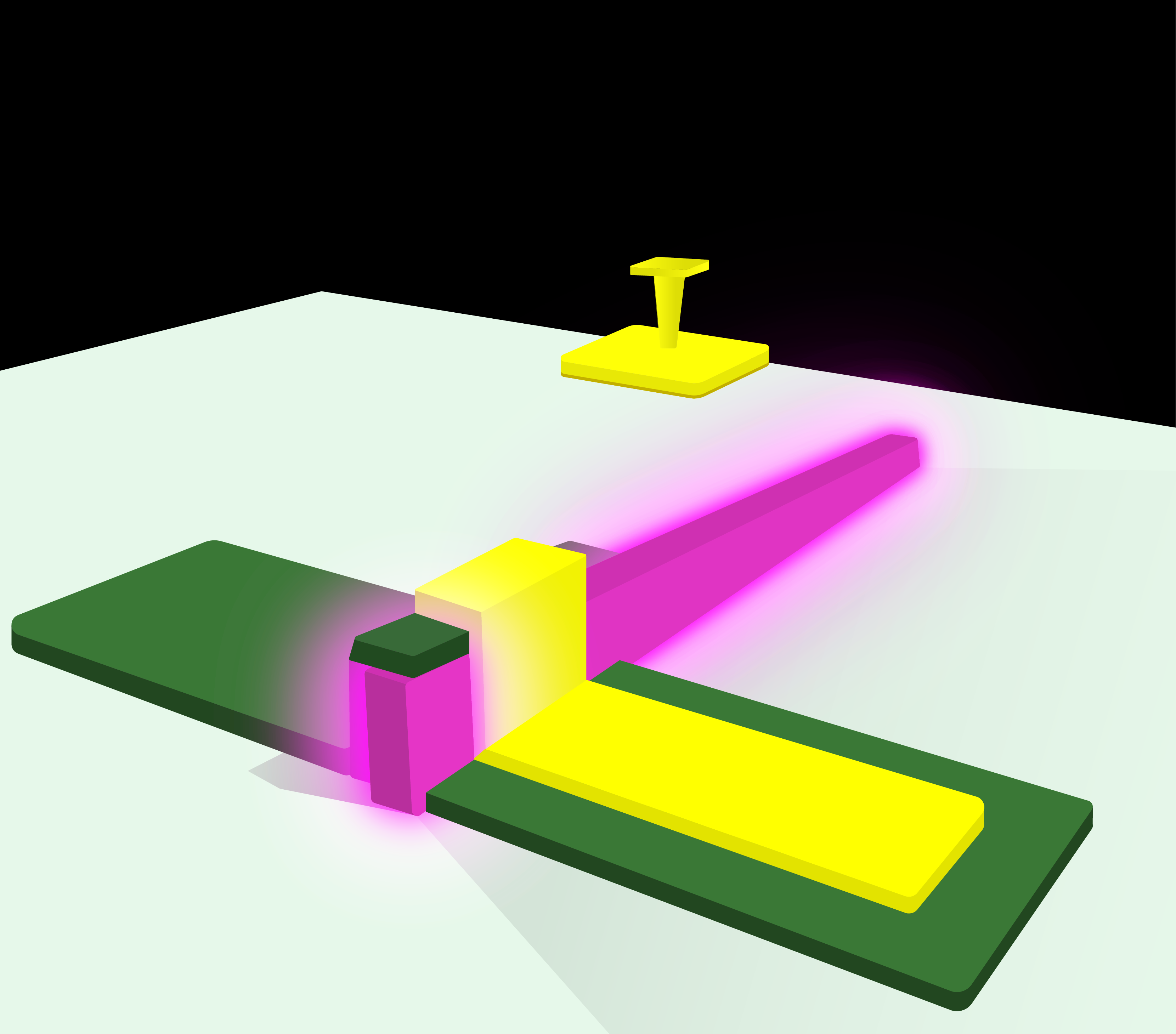
A glowing purple bar representing the LED is attached to a green surface by a yellow metal contact.
Credit: B. Nikoobakht, N. Hanacek/NIST
The fin LED pixel design includes the glowing zinc oxide fin (purple), isolating dielectric material (green), and metal contact (yellow atop green). The microscopic fins, which the research team arranged into comb-like arrays, show an increase in brightness of 100 to 1,000 times over conventional submicron-sized LED designs. 

New design overcomes long-standing LED efficiency problem – and can transform into a laser to boot. A new design for light-emitting diodes (LEDs) developed by a team including scientists at the National Institute of Standards and Technology (NIST) may hold the key to overcoming a long-standing limitation in the light sources’ efficiency...

Read More