longevity tagged posts

Oxygen Restriction helps Fast-Aging Lab Mice Live Longer

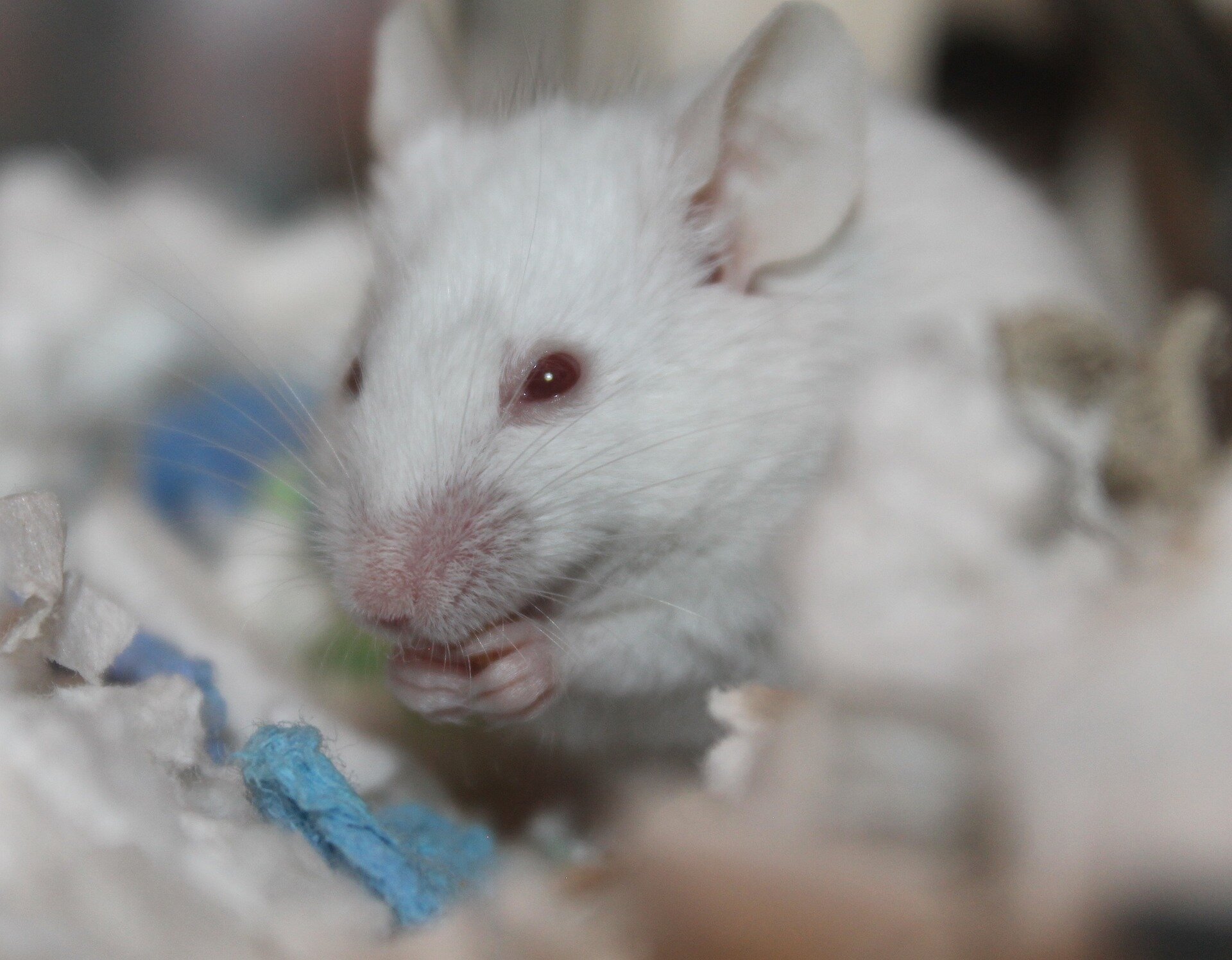
lab mouse
Credit: Pixabay/CC0 Public Domain

For the first time, researchers have shown that reduced oxygen intake, or “oxygen restriction,” is associated with longer lifespan in lab mice, highlighting its anti-aging potential. Robert Rogers of Massachusetts General Hospital in Boston, US, and colleagues present these findings in a study published May 23rd in the open access journal PLOS Biology.

Research efforts to extend healthy lifespan have identified a number of chemical compounds and other interventions that show promising effects in mammalian lab animals— for instance, the drug metformin or dietary restriction. Oxygen restriction has also been linked to longer lifespan in yeast, nematodes, and fruit flies. However, its effects in mammals have been unknown.

To explore the anti-aging...

Read More
Probiotic company finds Links between Youthful Gut Microbiota and Potential Centenarians

Probiotic company finds links between youthful gut microbiota and potential centenarians
Comparisons of microbial compositions between baseline and follow-up. (a) aPCoA of the Bray‒Curtis distance plot for baseline and follow-up after adjusting for hypertension, medication use, and alcohol and tea drinking. (b) α-Diversity differences between baseline and follow-up for stratified health statuses (HB, n = 21; HF, n = 15; LHB, n = 19; LHF, n = 27). (c) Composition of the gut microbiome at the phylum level between baseline and follow-up for stratified health statuses. (d) LEfSe between baseline and follow-up stratified by health status (two-sided Kruskal‒Wallis test between classes; P < 0.05, LDA > 2). Healthy baseline (HB, n = 21), healthy follow-up (HF, n = 15), less healthy baseline (LHB, n = 19) and less healthy follow-up (LHF, n = 27) samples were examined...
Read More

Clusters of Genes help Mice Live Longer

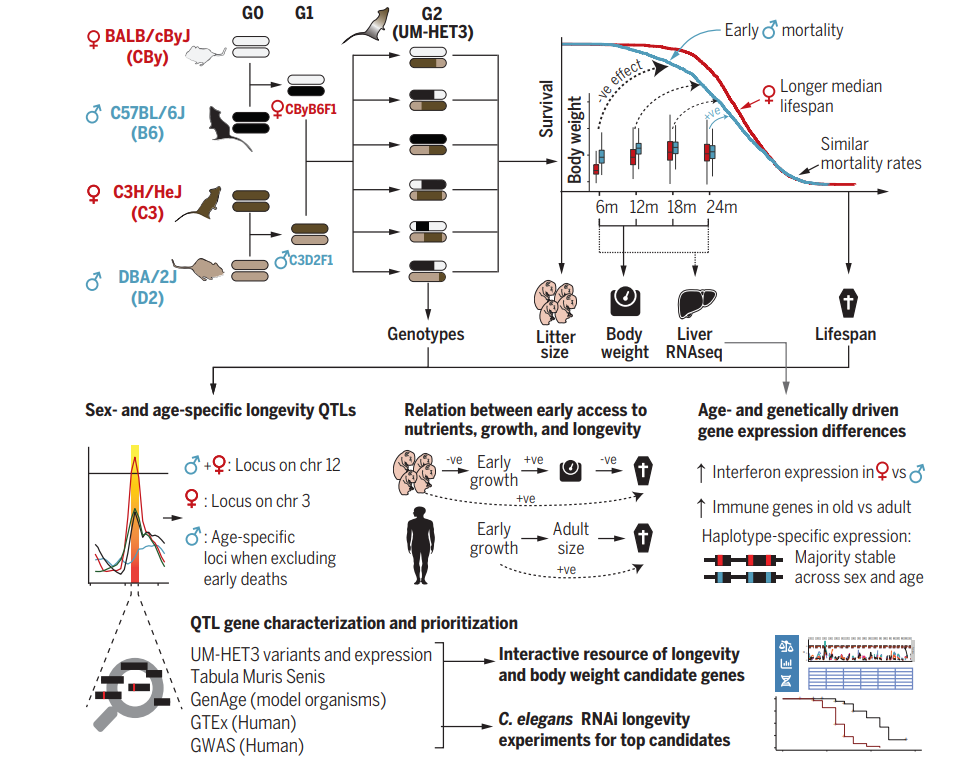
Genetic analyses in UM-HET3 mice used in the Interventions Testing Program highlight sex- and
age-specific longevity loci. Body weight associates with longevity, as does litter size, through its effect on
body weight. Mendelian randomization in humans recapitulated these relationships between early growth
and life span. Gene expression analyses, cross-species integration, and Caenorhabditis elegans life-span
experiments highlight candidate longevity genes and provide a resource for further investigation.

Researchers from the National Institute on Aging (NIA)-funded Interventions Testing Program recently reported the discovery of multiple candidate genes that influence longevity...

Read More

Secrets of Aging Revealed in Largest Study on Longevity, Aging in Reptiles and Amphibians

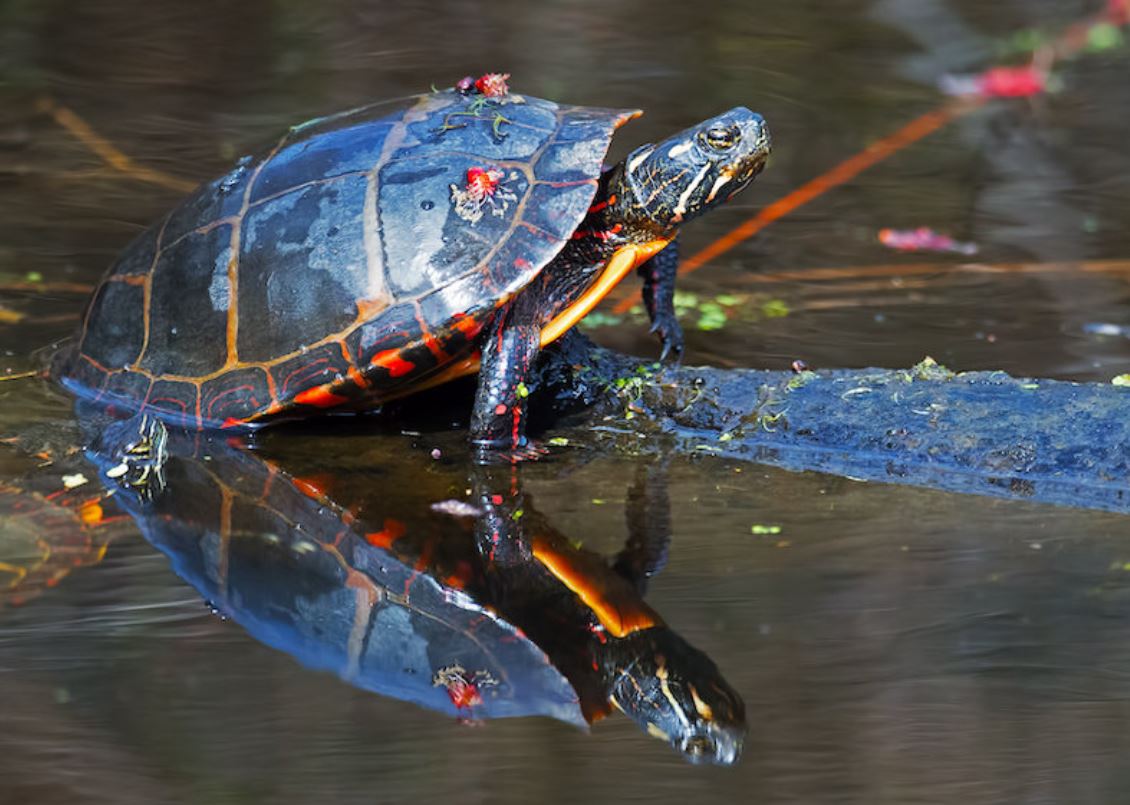
Painted turtle (stock image).
Credit: © Brian E Kushner / stock.adobe.com

An international team of 114 scientists reports the most comprehensive study of aging and longevity to date of reptiles and amphibians worldwide. Among their many findings, they document for the first time that turtles, crocodilians and salamanders have particularly low aging rates and extended lifespans for their sizes. The team also finds that protective phenotypes, such as the hard shells of most turtle species, contribute to slower aging, and in some cases even ‘negligible aging’ – or lack of biological aging.

At 190 years old, Jonathan the Seychelles giant tortoise recently made news for being the “oldest living land animal in the world...

Read More