longevity tagged posts

Cutting Calories and Eating at the Right Time of day leads to Longer Life in Mice

Experiments that tested various diet plans in mice found that the animals live longest on a low-calorie diet with daily fasting periods. Credit: Fernando Augusto/made-for.studio 

In a study that followed hundreds of mice over their lifespans, calorie restriction combined with time-restricted eating boosted longevity. One recipe for longevity is simple, if not easy to follow: eat less. Studies in a variety of animals have shown that restricting calories can lead to a longer, healthier life.

Now, new research suggests that the body’s daily rhythms play a big part in this longevity effect...

Read More
Convergent Mechanism of Aging discovered

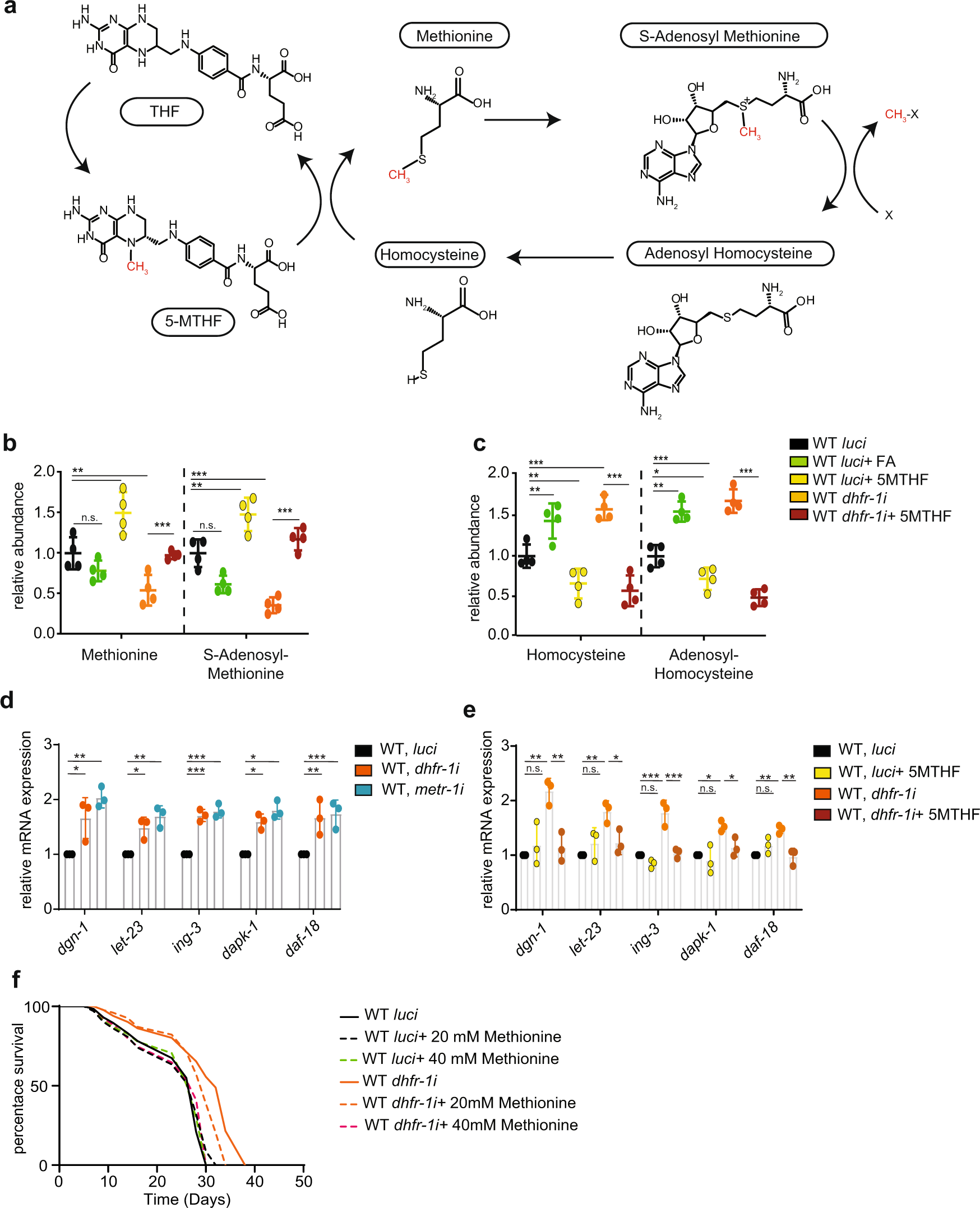
Fig. 3
dhfr-1i affects the methionine cycle and mimics methionine restriction.

Several different causes of ageing have been discovered, but the question remains whether there are common underlying mechanisms that determine ageing and lifespan. Researchers from the Max Planck Institute for Biology of Ageing and the CECAD Cluster of Excellence in Ageing research at the University Cologne have now come across folate metabolism in their search for such basic mechanisms. Its regulation underlies many known ageing signalling pathways and leads to longevity. This may provide a new possibility to broadly improve human health during ageing.

In recent decades, several cellular signalling pathways have been discovered that regulate the lifespan of an organism and are thus of enormous importance for a...

Read More

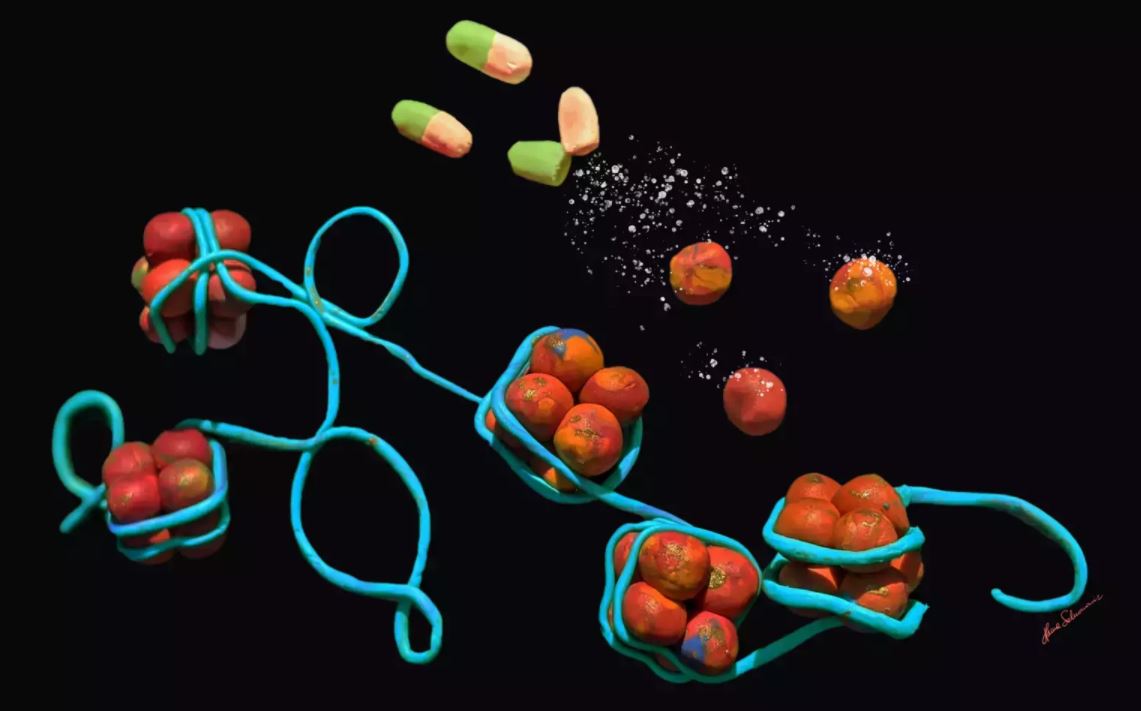
Rapamycin changes the way our DNA is Stored

The anti-ageing compound rapamycin influences DNA winding.
© Hanna Salmonowicz, Monney Medical Media, 2021

Researchers discover an unexpected link between DNA winding and metabolism in the gut to ameliorate aging. Our genetic material is stored in our cells in a specific way to make the meter-long DNA molecule fit into the tiny cell nucleus of each body cell...

Read More

Gut Microbiome implicated in Healthy Aging and Longevity

gut
Credit: CC0 Public Domain

Data from over 9,000 people reveal a distinct gut microbiome signature that is associated with healthy aging and survival in the latest decades of life. The gut microbiome is an integral component of the body, but its importance in the human aging process is unclear. ISB researchers and their collaborators have identified distinct signatures in the gut microbiome that are associated with either healthy or unhealthy aging trajectories, which in turn predict survival in a population of older individuals. The work is set to be published in the journal Nature Metabolism.

The research team analyzed gut microbiome, phenotypic and clinical data from over 9,000 people — between the ages of 18 and 101 years old — across three independent cohorts...

Read More