



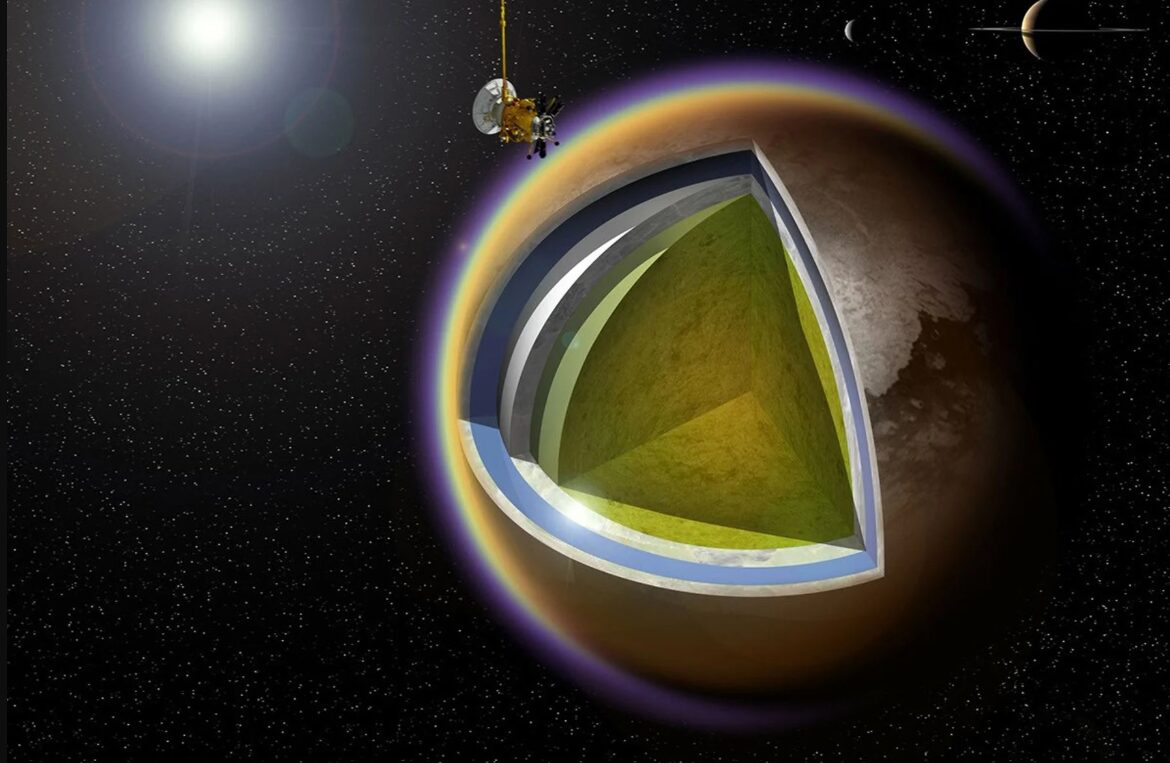
Saturn’s largest moon, Titan, is a unique environment in our solar system. It is the only moon (or body beyond Earth) to have a dense, nitrogen-rich atmosphere, and its methane cycle is very similar to Earth’s hydrological cycle, in which solid and liquid methane evaporate to form clouds and return to the surface as precipitation. In addition, its prebiotic surface environment and rich organic chemistry make it a prime destination for astrobiology missions, such as NASA’s Dragonfly mission (set to launch no earlier than July 2028).
And as Robert Zubrin said in his book, “Entering Space: Creating a Spacefaring Civilization,” Saturn’s moons could become the “Persian Gu...
Read More
Recent Comments