

Researchers may be able to predict cardiovascular disease — such as arterial fibrillation and heart failure — in patients by using artificial intelligence (AI) to examine the genes in their DNA, according to a new ...
Read More

February 28, 2023,
 Health/Medical, Biology/Biotechnology
Researchers may be able to predict cardiovascular disease — such as arterial fibrillation and heart failure — in patients by using artificial intelligence (AI) to examine the genes in their DNA, according to a new ...
Read More
February 9, 2023,
Astronomy/Space
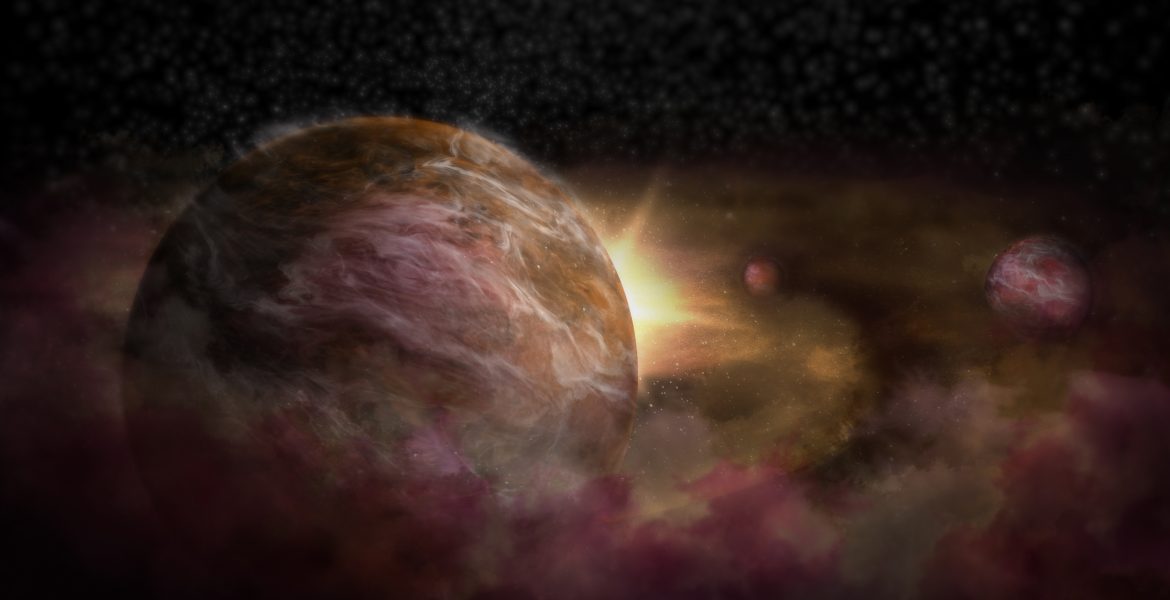
New research from the University of Georgia reveals that artificial intelligence can be used to find planets outside of our solar system. The recent study demonstrated that machine learning can be used to find exoplanets, information that could reshape how scientists detect and identify new planets very far from Earth.
“One of the novel things about this is analyzing environments where planets are still forming,” said Jason Terry, doctoral student in the UGA Franklin College of Arts and Sciences department of physics and astronomy and lead author on the study...
Read More
January 31, 2023,
Physics, Astronomy/Space
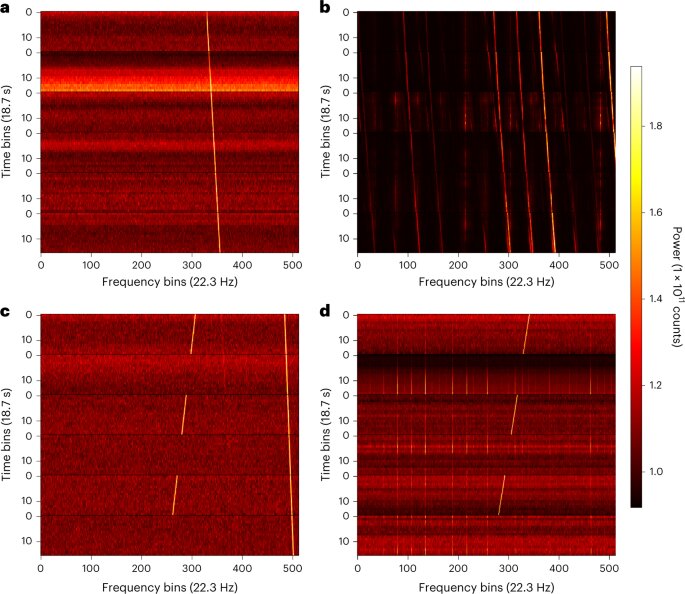
Researchers have applied a deep learning technique to a previously studied dataset of nearby stars and uncovered eight previously unidentified signals of interest.
When pondering the probability of discovering technologically advanced extraterrestrial life, the question that often arises is, “if they’re out there, why haven’t we found them yet?” And often, the response is that we have only searched a tiny portion of the galaxy. Further, algorithms developed decades ago for the earliest digital computers can be outdated and inefficient when applied to modern petabyte-scale datasets...
Read More
November 24, 2022,
Physics
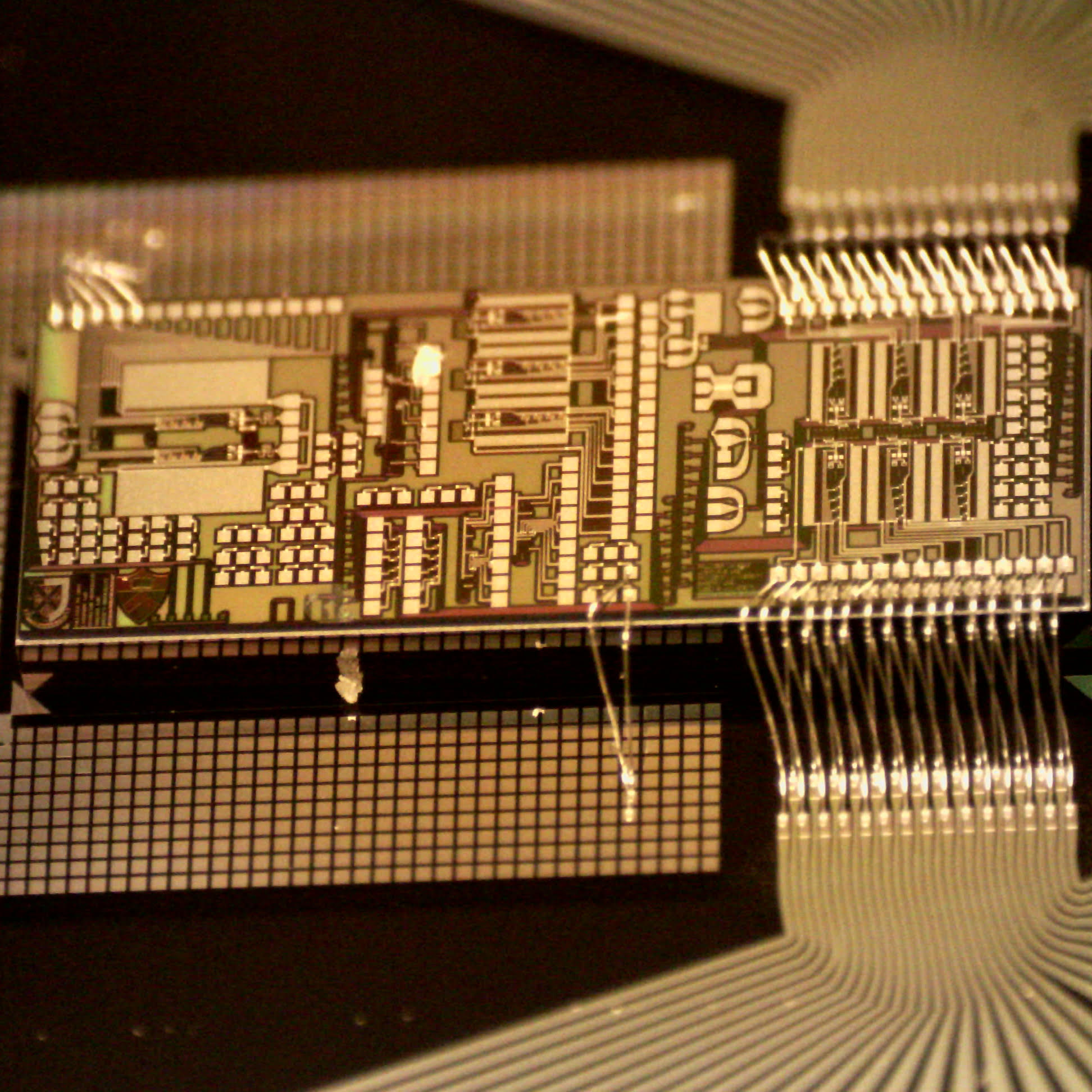
A multi-institution research team has developed an optical chip that can train machine learning hardware.
Machine learning applications skyrocketed to $165B annually, according to a recent report from McKinsey. But, before a machine can perform intelligence tasks such as recognizing the details of an image, it must be trained. Training of modern-day artificial intelligence (AI) systems like Tesla’s autopilot costs several million dollars in electric power consumption and requires supercomputer-like infrastructure. This surging AI “appetite” leaves an ever-widening gap between computer hardware and demand for AI...
Read More
Recent Comments