
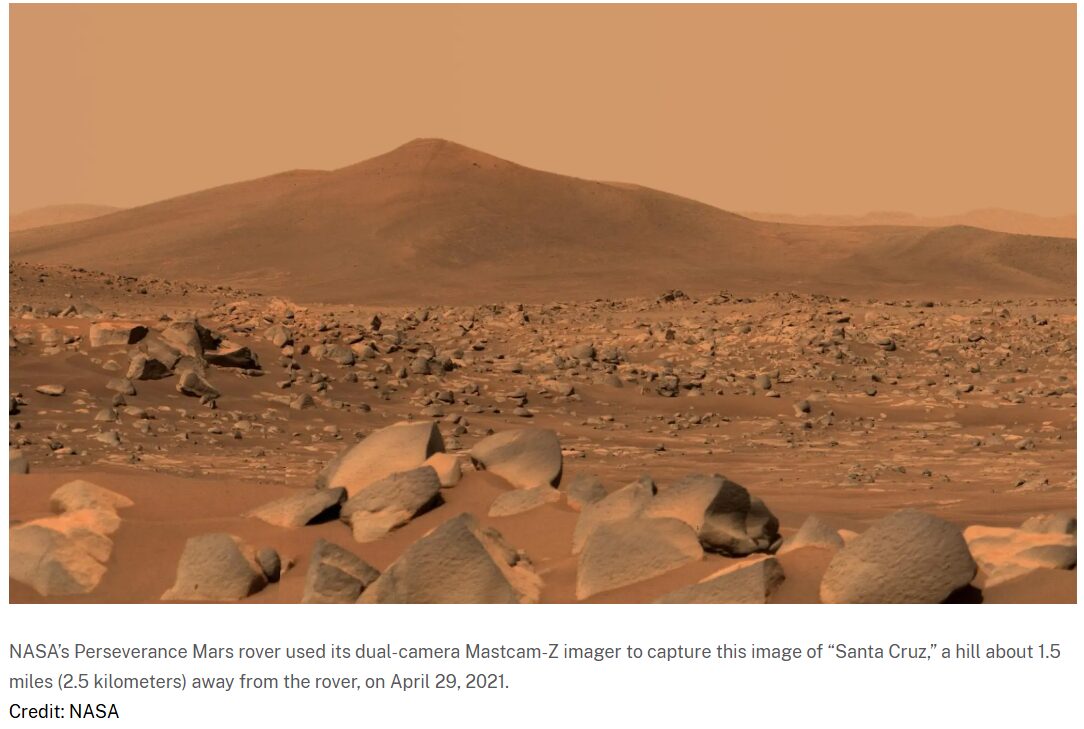
Mars missions tagged posts

NASA draws on industry for Mars telecommunications network

On Thursday, NASA issued a Request for Proposal (RFP), seeking industry collaboration for the Mars Telecommunications Network.

Reliable, high bandwidth communications are necessary to relay science data, high-definition imagery, and critical information during Mars missions. The network will use high-performance Mars telecommunications orbiters at the red planet to support future surface, orbital, and human exploration.

This RFP builds on a draft released April 2, as well as insights gathered during the accompanying industry day at NASA’s Goddard Space Flight Center in Greenbelt, Maryland, where commercial partners provided feedback on agency objectives for the Mars Telecommunications Network.

The request seeks responses that address both current and future operational missio...

Read More
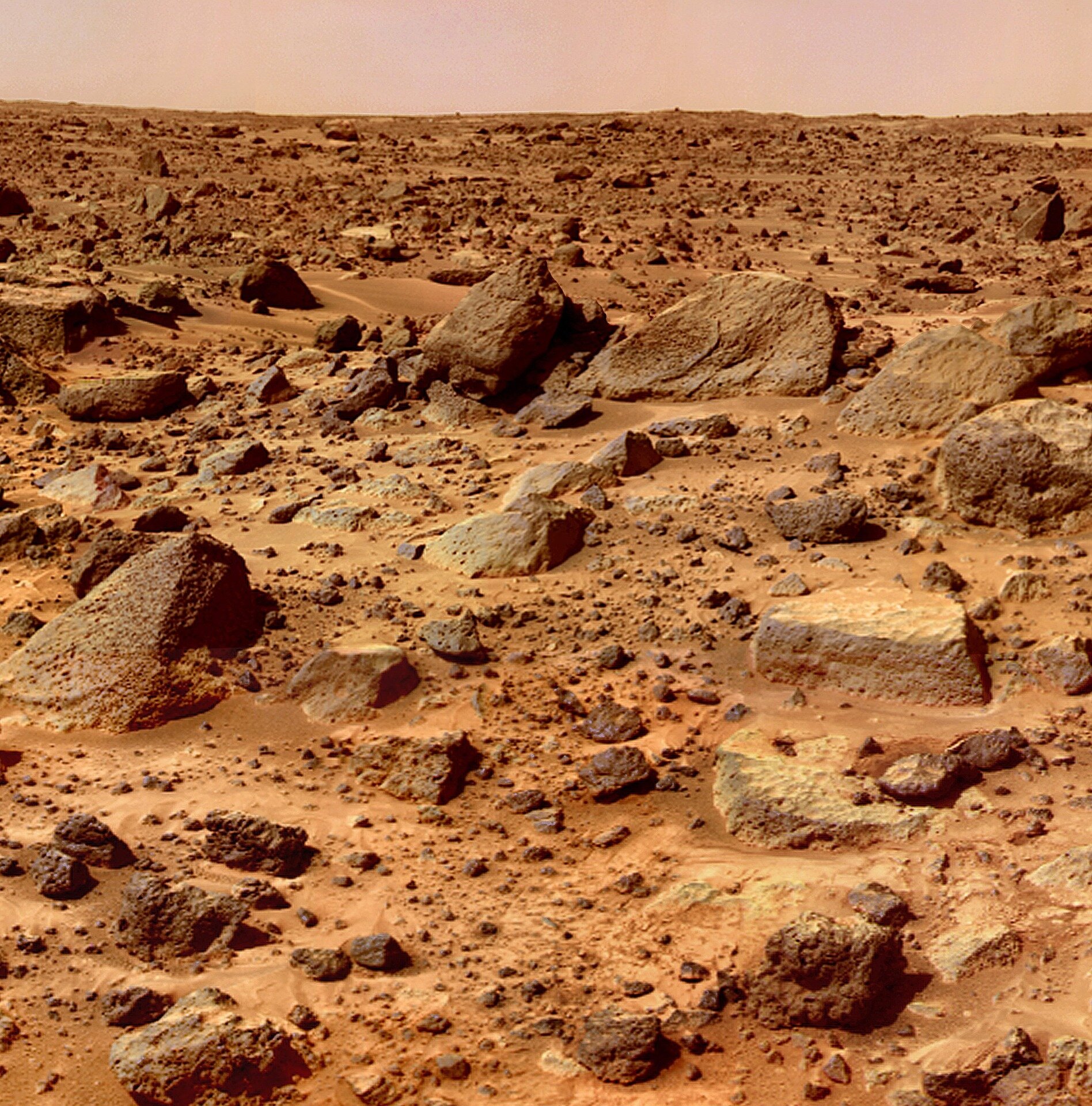
Dynamic duo of bacteria could change Mars dust into versatile building material for first human colonists

mars
Credit: Pixabay/CC0 Public Domain

Since humanity’s first steps on the moon, the aspiration to extend human civilization beyond Earth has been a central objective of international space agencies, targeting long-term extraterrestrial habitation. Among the celestial bodies within reach, Mars is considered our next home.

The red planet, with its stark landscapes and tantalizing similarities to Earth, beckons as the frontier of human exploration and settlement. But establishing a permanent foothold on Mars remains one of humanity’s boldest dreams and the most formidable scientific and engineering challenge.

The red planet, once draped in a thick atmosphere, has undergone dramatic transformation over billions of years...

Read More

Atmospheric Pressure Changes could be Driving Mars’ Elusive Methane Pulses

2024-01-24
New simulations are helping inform the Curiosity rover’s ongoing sampling campaign. Credit:NASA/JPL-Caltech/MSSS

Simulations will help Curiosity search for signs of past or present life on the Red Planet. New research shows that atmospheric pressure fluctuations that pull gases up from underground could be responsible for releasing subsurface methane into Mars’ atmosphere; knowing when and where to look for methane can help the Curiosity rover search for signs of life.

“Understanding Mars’ methane variations has been highlighted by NASA’s Curiosity team as the next key step towards figuring out where it comes from,” said John Ortiz, a graduate student at Los Alamos National Laboratory who led the research team.

“There are several challenges associated with meeting that goal, an...

Read More