microbiota tagged posts

Researchers Identify why Cancer Immunotherapy can cause Colitis

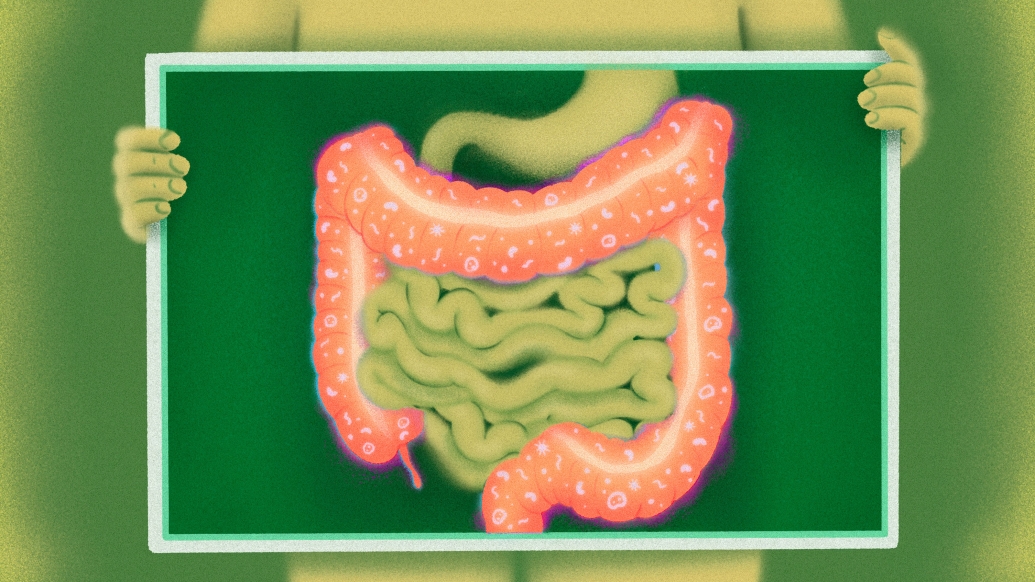
green background intestines in pink
Jacob Dwyer, Michigan Medicine

Researchers at the University of Michigan Health Rogel Cancer Center have identified a mechanism that causes severe gastrointestinal problems with immune-based cancer treatment.

They also found a way to deliver immunotherapy’s cancer-killing impact without the unwelcome side effect.

The findings are published in Science.

“This is a good example of how understanding a mechanism helps you to develop an alternative therapy that’s more beneficial. Once we identified the mechanism causing the colitis, we could then develop ways to overcome this problem and prevent colitis while preserving the anti-tumor effect,” said senior study author Gabriel Nunez, M.D., Paul de Kruif Professor of Pathology at Michigan Medicine.

Immunotherapy has emerged as a pr...

Read More
Healthy Gut Bacteria can help Fight Cancer in other parts of the body, researchers find

Healthy gut bacteria can help fight cancer in other parts of the body, researchers find
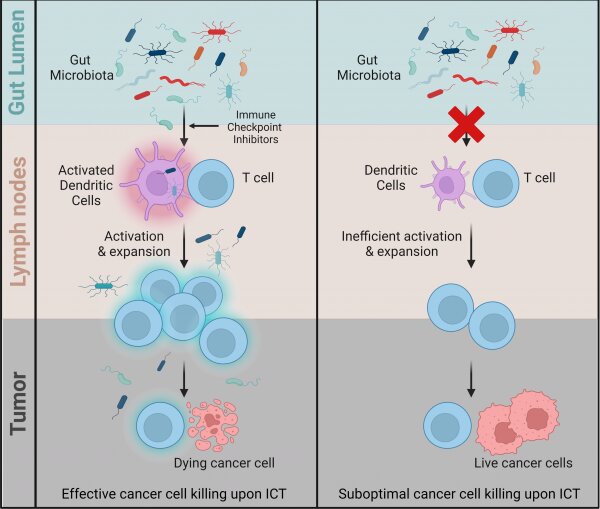
Immune checkpoint therapy (ICT) helps gut microbiota travel from the gut to the lymph nodes where they activate immune cells (dendritic cells and T cells). Ultimately, both gut microbiota and activated immune cells then enter the tumor. When specific bacteria cannot travel to the lymph node and tumor and activate immune cells, immune checkpoint therapy is not effective. Credit: Science Immunology (2023). DOI: 10.1126/sciimmunol.abo2003

Researchers at UT Southwestern Medical Center have discovered how healthy bacteria can escape the intestine, travel to lymph nodes and cancerous tumors elsewhere in the body, and boost the effectiveness of certain immunotherapy drugs...

Read More

A study confirms the Relationship between an Amino Acid present in Diet and Depression

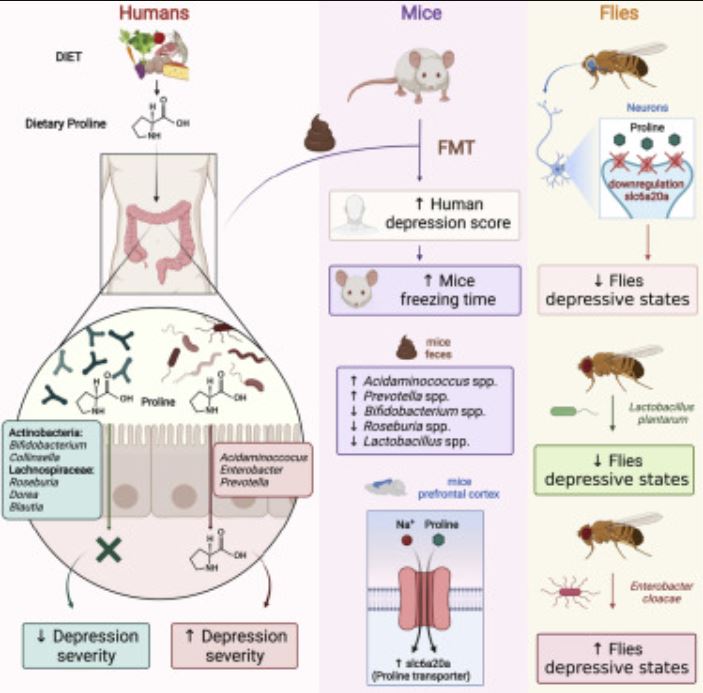
Researchers from the Girona Biomedical Research Institute (IDIBGI) and Pompeu Fabra University (UPF) in Barcelona, Spain, have identified the role of an amino acid in humans, mice and flies suffering depression. It is proline, an amino acid that is present in a wide variety of foods. The results, published in the scientific journal Cell Metabolism, also associate the consumption of a proline-rich diet with a greater tendency to develop depression.

The study was led by Dr. José Manuel Fernández-Real and Dr. Jordi Mayneris-Perxachs, from the research group on Nutrition, Eumetabolism and Health at the IDIBGI and CIBEROBN, and Dr...

Read More

Gut Bacteria might be an Indicator of Colon Cancer Risk

gut bacteria
Credit: CC0 Public Domain

A study published today in the journal Cell Host & Microbe reported that the increased presence of certain bacteria in a gut biome indicates a greater likelihood that colon polyps will become cancerous.

In his research, William DePaolo, associate professor at the University of Washington School of Medicine, tracked 40 patients who had undergone routine colonoscopies and had biopsies taken near the polyps to identify bacteria present at relatively higher levels compared with those of patients who were polyp-free. All the patients were between the ages 50 and 75, and 60% were women.

“The rising incidence of colorectal cancer is a major health concern, but little is known about the composition and role of microbiota associated with precancerous polyps,” the...

Read More