
MS tagged posts

Scientists identify Gut-derived Metabolites that play a role in Neurodegeneration

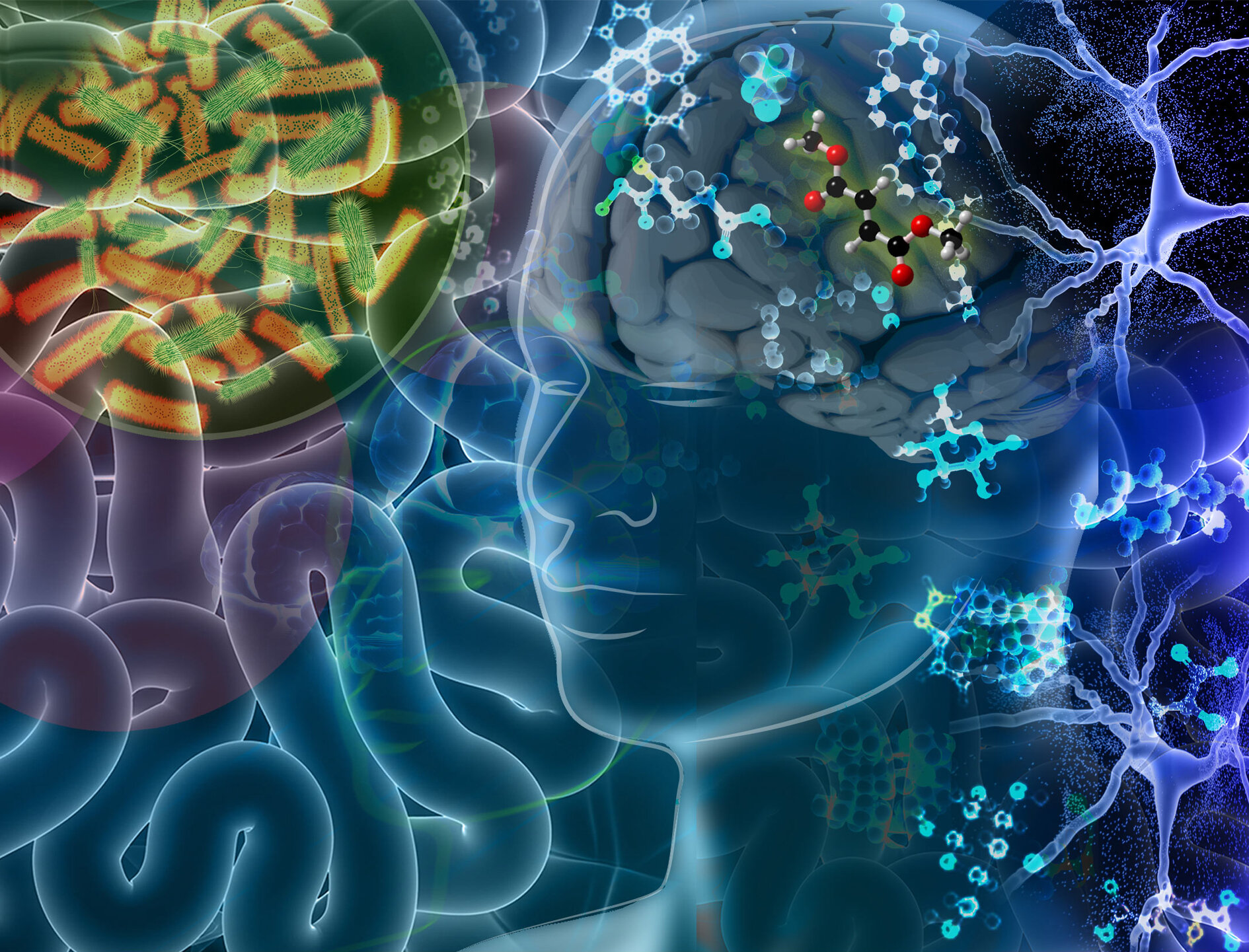
A new study has identified gut-derived metabolites that appear to be neurotoxic and play a role in the progression of multiple sclerosis. Credit: Nicoletta Barolini

A New York-based, multi-institutional research team has found high levels of three toxic metabolites produced by gut bacteria in the cerebrospinal fluid and plasma samples of multiple sclerosis (MS) patients. The important findings, published in the journal Brain, further scientists’ understanding of how gut bacteria can impact the course of neurological diseases by producing compounds that are toxic to nerve cells.

Previously published evidence has supported the concept that an imbalance in the gut microbiota—the community of organisms that live in the human intestines—may underly a range of neurological disorders...

Read More
Tiny Bubbles can be Future Treatment for Inflammation

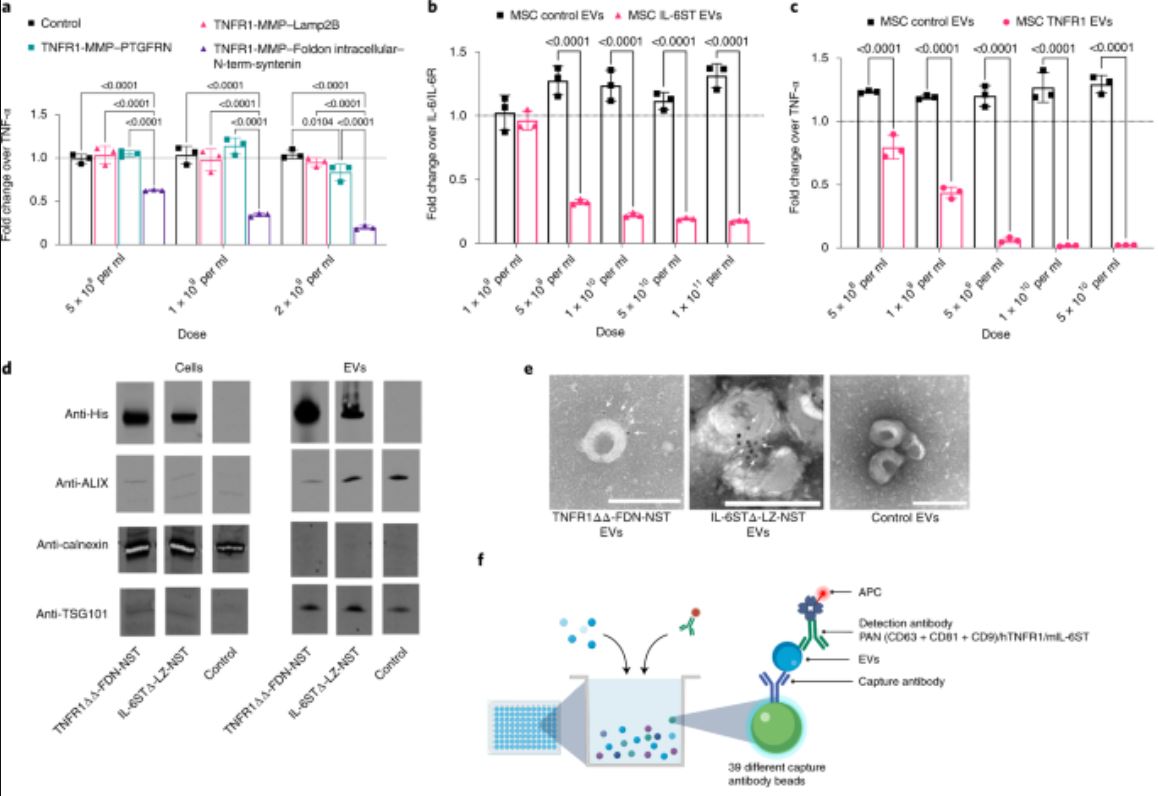
Multimeric decoy receptor EV-sorting protein chimaera is functionalized on several EV subpopulations.

Scientists hope that tiny sacs of material excreted by cells — so-called extracellular vesicles — can be used to deliver drugs inside the body. Researchers at Karolinska Institutet now show that these nanobubbles can transport protein drugs that reduce inflammation caused by different diseases. The technique, which is presented in Nature Biomedical Engineering, shows promising results in animal models.

Extracellular vesicles (EVs) are important in inter-cellular communication as carriers of biological signals. They are nanometre-sized membrane-coated packages excreted by cells that can deliver fatty acids, proteins and genetic material to different tissues.

The tiny bubbles are f...

Read More

Patients with Multiple Sclerosis may benefit from OTC therapy

Demyelination by MS. The CD68 colored tissue shows several macrophages in the area of the lesion. Original scale 1:100. Credit: Marvin 101/Wikipedia

Demyelination by MS. The CD68 colored tissue shows several macrophages in the area of the lesion. Original scale 1:100. Credit: Marvin 101/Wikipedia

Over-the-Counter antioxidant lipoic acid holds promise in improving patients’ lives after an OHSU pilot study. Treatment options currently are limited for people suffering from secondary progressive MS. The randomized double-blind study involved 51 participants who completed the 2-year trial. 27 people were given a 1,200-milogram daily dose of lipoic acid, with the remaining 24 participants given a placebo. Researchers are using the findings from the pilot trial to design the expanded multi-site clinical trial to begin later this year in Portland and other sites that have yet to be finalized.

“These are high doses,” said Rebecca Spain, M.D...

Read More

Microrna treatment Restores Nerve Insulation, Limb Function in Mice with MS

This image shows restored presence of proteins indicating myelin reformation (shown in red) in the lumbar spinal cord of a mouse treated with miR-219 mimic after injury to its central nervous system. Researchers report March 27 in Developmental Cell treatment with the micro-RNA partially repaired damaged nerves and restored limb function in mice. Credit: Cincinnati Children's

This image shows restored presence of proteins indicating myelin reformation (shown in red) in the lumbar spinal cord of a mouse treated with miR-219 mimic after injury to its central nervous system. Researchers report March 27 in Developmental Cell treatment with the micro-RNA partially repaired damaged nerves and restored limb function in mice. Credit: Cincinnati Children’s

Scientists partially re-insulated ravaged nerves in mouse models of multiple sclerosis (MS) and restored limb mobility by treating the animals with a small non-coding RNA called a microRNA...

Read More