
MTOR tagged posts

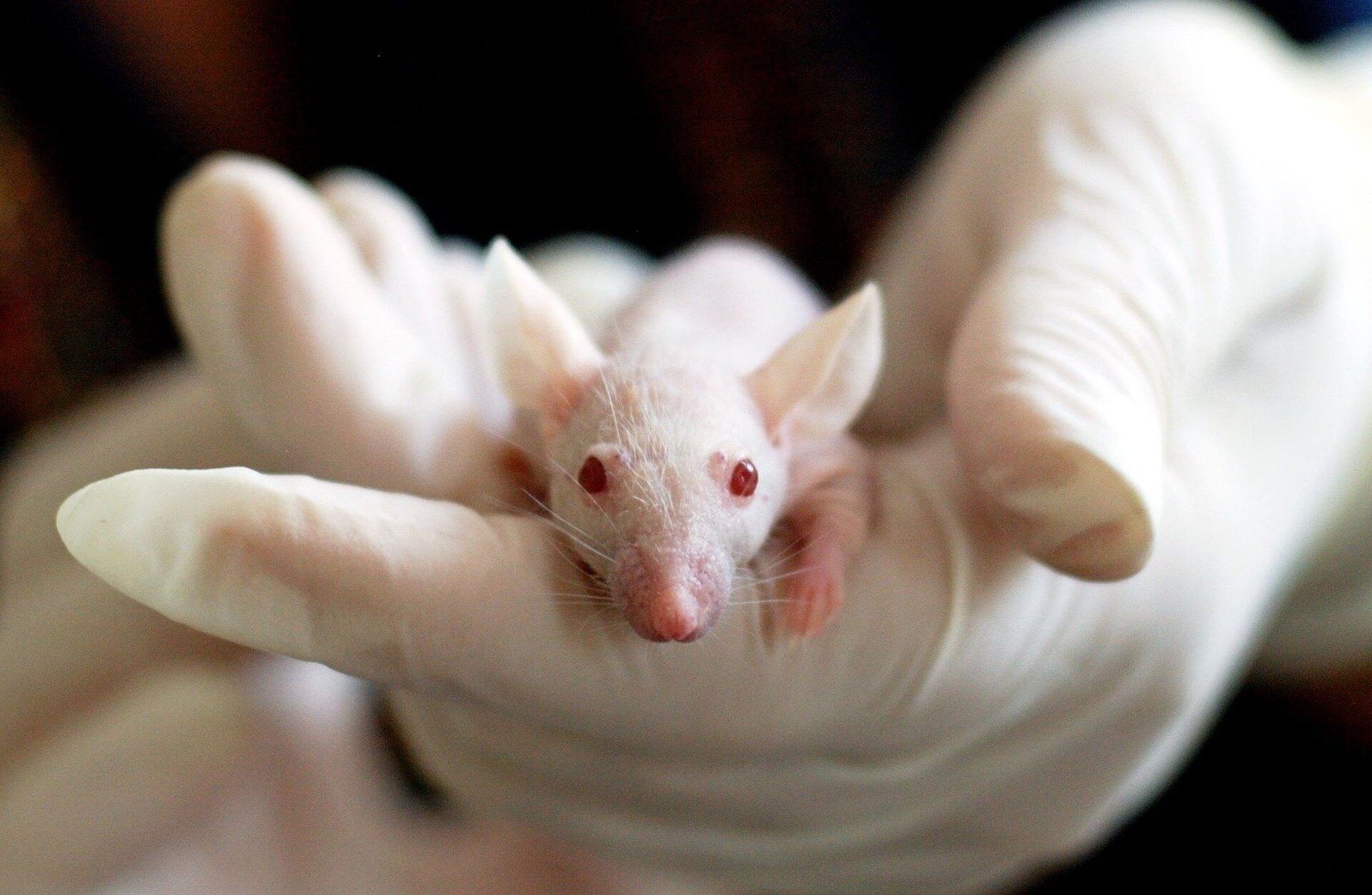
lab mouse
Credit: Pixabay/CC0 Public Domain

A new mouse study led by UCLA Health suggests that inflammation during pregnancy can trigger autism-like changes in offspring, but those brain and behavioral effects may be rapidly, though temporarily, reversible in adulthood with a single dose of the immunosuppressive drug rapamycin.

Even mild inflammation during midpregnancy has been shown to result in autism-like symptoms in offspring, abnormal brain growth, seizures and heightened sensitivity to everyday sensory input that persist into adulthood.

In the study published in the journal Nature Communications, UCLA researchers found that a single dose of rapamycin significantly improved brain signaling and behavioral symptoms in these offspring within about two hours, too short a time to correct ...

Read More


Rapamycin linked to DNA damage resilience in aging human immune cells

DNA
DNA, which has a double-helix structure, can have many genetic mutations and variations. Credit: NIH

University of Oxford-led research finds low-dose rapamycin functions as a genomic protector in aging human immune cells, lowering DNA damage.

The mechanistic target of rapamycin (mTOR) is a central signaling pathway that regulates and coordinates cell growth, metabolism, and survival in response to environmental cues. It helps cells integrate signals from growth factors, nutrients, and stress to control whether they are in an anabolic (building up) or catabolic (breaking down) state.

Aging immune systems accumulate DNA damage linked to immunosenescence. Rapamycin is a drug that inhibits the mTOR pathway...

Read More

How an Ultrasensitive On-Off Switch helps Axolotls Regrow Limbs

It’s one of the mysteries of nature: How does the axolotl, a small salamander, boast a superhero-like ability to regrow nearly any part of its body? For years, scientists have studied the amazing regenerative properties of the axolotl to inform wound healing in humans.

Now, Stanford Medicine researchers have made a leap forward in understanding what sets the axolotl apart from other animals. Axolotls, they discovered, have an ultra-sensitive version of mTOR, a molecule that acts as an on-off switch for protein production. And, like survivalists who fill their basements with non-perishable food for hard times, axolotl cells stockpile messenger RNA molecules, which contain genetic instructions for producing proteins.

The combination of an easily activated mTOR molecule and a repos...

Read More

A Key Regulator of Cell Growth Deciphered

The SEA complex is composed of a cage-like core (SEACAT, blue) that regulates the activity of the wings (SEACIT, white and bright). Â© Ciencia Graficada

The mTOR protein plays a central role in cell growth, proliferation and survival. Its activity varies according to the availability of nutrients and some growth factors, including hormones. This protein is implicated in several diseases, including cancer, where its activity frequently increases...

Read More