
multiple sclerosis tagged posts

Taking Vitamin D may benefit people with Multiple Sclerosis

multiple sclerosis

Demyelination by MS. The CD68 colored tissue shows several macrophages in the area of the lesion. Original scale 1:100. Credit: Marvin 101/Wikipedia

Taking a high dose of vitamin D3 is safe for people with multiple sclerosis and may help regulate the body’s hyperactive immune response, according to a pilot study published by Johns Hopkins physicians. “These results are exciting, as vitamin D has the potential to be an inexpensive, safe and convenient treatment for people with MS,” says study author Peter Calabresi, M.D. Low levels of vitamin D in the blood are tied to an increased risk of developing MS. People who have MS and low levels of vitamin D are more likely to have greater disability and more disease activity.

For the study, 40 people with relapsing-remitting MS received either 10,...

Read More
Dietary Fat may impact Severity and Duration of Autoimmune Flare-ups

PA Ameliorates CNS Autoimmunity via Induction of Treg Cells in the Small Intestine

PA Ameliorates CNS Autoimmunity via Induction of Treg Cells in the Small Intestine

Adjusting length of fatty acids consumed by mice altered the function of T helper cells in the gut – either intensifying or alleviating symptoms in an animal model of the autoimmune disease (i.e., multiple sclerosis).

A team compared in mice the effects of short-chain fatty acids, which are solely metabolized by gut bacteria and are typically found in fiber-rich diets, with the effects of long-chain fatty acids, the most abundant component of western diets. They found that long-chain fatty acids, such as lauric acid and palmitic acid, promoted the development and release of proinflammatory T cells from the intestinal wall to other areas in the body, including the brain...

Read More

Genentech Announces favorable results for MS drug Ocrelizumab

Phase III clinical trials has been released for its multiple scleroses drug ocrelizumab, for use in relapsing forms of the disease or in cases of primary progressive multiple sclerosis (PPMS)—and the results appear to be very promising.

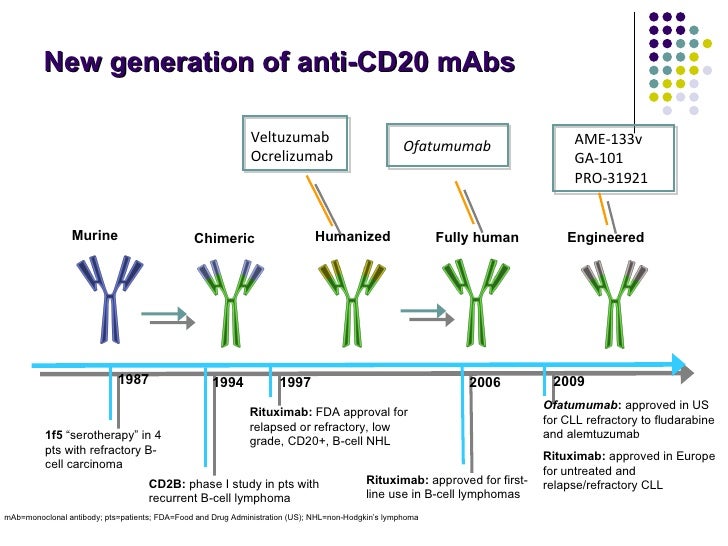
Ocrelizumab is a recombinant humanized monoclonal antibody against immune B cells that express CD20 proteins at their surface. These cells are thought to be a key contributor to the myelin and neuron damage that leads to motor function impairment, irreversible neurological disability and paralysis in MS patients. “B cells can contribute to the pathophysiology of MS,” explained Dr. Hauser during his presentation, “targeting CD20-B cells may preserve B cell reconstitution and long-term immune memory.”

85% of patients with MS experience relapse, wit...

Read More

Experimental Cancer Drug shows Therapeutic Promise in Mouse Models of Multiple Sclerosis

Proliferation of NSCs and expression of Shh in Gli1-null mice.

Proliferation of NSCs and expression of Shh in Gli1-null mice.

An experimental drug GANT61 originally identified in a National Cancer Institute library of chemical compounds as a potential therapy for brain and basal cell cancers improves the symptoms of mice with a form of the debilitating neurological disorder multiple sclerosis (MS), according to new research.

It blocks the action of a key protein, Gli1, which is involved in so-called sonic hedgehog signaling, a biological pathway closely tied to neural stem cell development and the growth of some cancers, and whose signaling is raised in tissue samples taken from brain lesions in patients with MS.

In the study, mice with chemically damaged brain myelin were given daily doses of GANT61 for one month...

Read More