NLRP3 tagged posts

Study identifies key driver of inflammation, opening door to potential new treatments

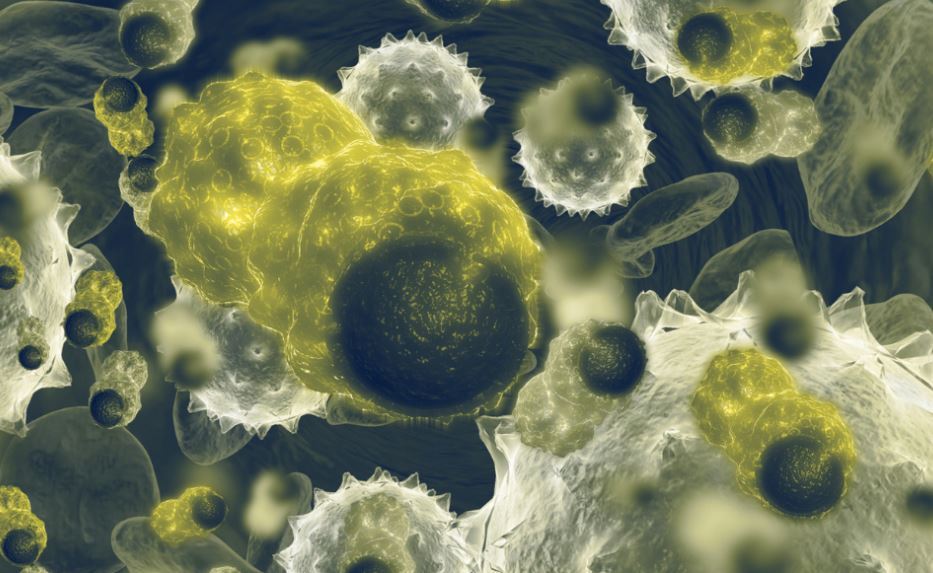
Lung inflammation
Credit: Anna Shvets from Pexels

Researchers at Johns Hopkins Medicine have uncovered a critical biological mechanism that helps explain how inflammation is triggered and sustained in a wide range of diseases—highlighting a promising avenue for future therapeutic development.

The study, published in PLOS One, identified human resistin as a central driver of immune system activation. Researchers found that this protein plays a key role in turning on a powerful inflammatory pathway known as the NLRP3 inflammasome, which has been linked to numerous health conditions, including cardiovascular disease, diabetes and autoimmune disorders.

“Chronic inflammation plays a role in everything from heart disease to autoimmune disorders, yet the underlying triggers have remained unclear,” said...

Read More
Discovery of Mitochondrial Mechanism could provide New Options for Treating Inflammatory Diseases

Cellular 'power plants' control inflammation
Credit: Immunity (2024). DOI: 10.1016/j.immuni.2024.10.012

Whether cells in the human body survive or die under stress depends, among other things, on their mitochondria. Scientists at the Faculty of Medicine at the University of Freiburg have now shown that a sudden stop in energy production in mitochondria prevents normal cell death or so-called apoptosis and instead triggers an inflammatory response. The results of this research were published in the journal Immunity.

“We found that mitochondria provide a kind of decision-making aid: they regulate whether a cell undergoes clean, silent apoptosis or releases pro-inflammatory messenger substances,” explains Prof. Dr...

Read More

How Mitochondrial Damage Ignites the ‘Auto-Inflammatory Fire’

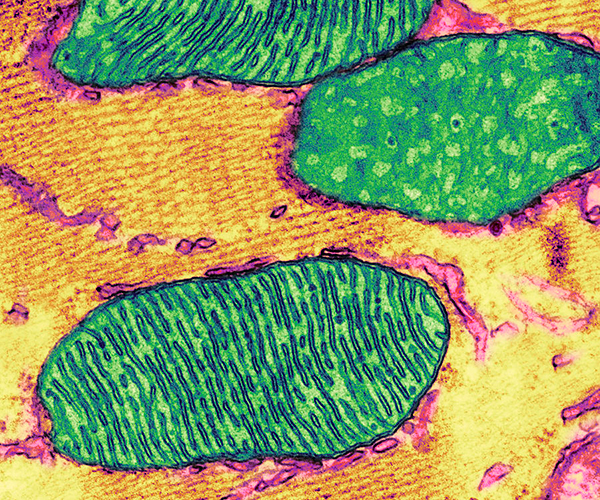
A colorized transmission electron micrograph depicts cellular mitochondria with its characteristic internal folds called cristae.
A colorized transmission electron micrograph depicts cellular mitochondria with its characteristic internal folds called cristae. Thomas Deerinck, National Center for Microscopy and Imaging Research, UC San Diego.

Researchers describe the biochemical pathway that results in the generation of oxidized mitochondrial DNA, how it is expelled by mitochondria and how it triggers the complex and destructive inflammatory response that follows.

Mitochondria are self-contained organelles (they possess their own mini-chromosome and DNA) residing within cells and are charged with the job of generating the chemical energy needed to fuel functions essential to life and well-being.

When stressed, damaged or dysfunctional, mitochondria expel their DNA (mtDNA), oxidized and cleaved, into the cyto...

Read More

A Drug that can Stop Tumors from Growing

Scientists detail new work on NLRP3, an intracellular complex that has been found to participate in melanoma-mediated inflammation, leading to tumor growth and progression. By inhibiting NLRP3, the researchers found, they can reduce inflammation and the resultant tumor expansion.

Cancer doctors may soon have a new tool for treating melanoma and other types of cancer, thanks to work being done by researchers at the University of Colorado Cancer Center.

Specifically, NLRP3 promotes inflammation by inducing the maturation and release of interleukin-1-beta, a cytokine that causes inflammation as part of the normal immune response to infection. In cancer, however, inflammation can cause tumors to grow and spread.

“NLRP3 is a member of a larger family that is involved in sensing da...

Read More