quantum computer tagged posts

A Molecule that Responds to Light

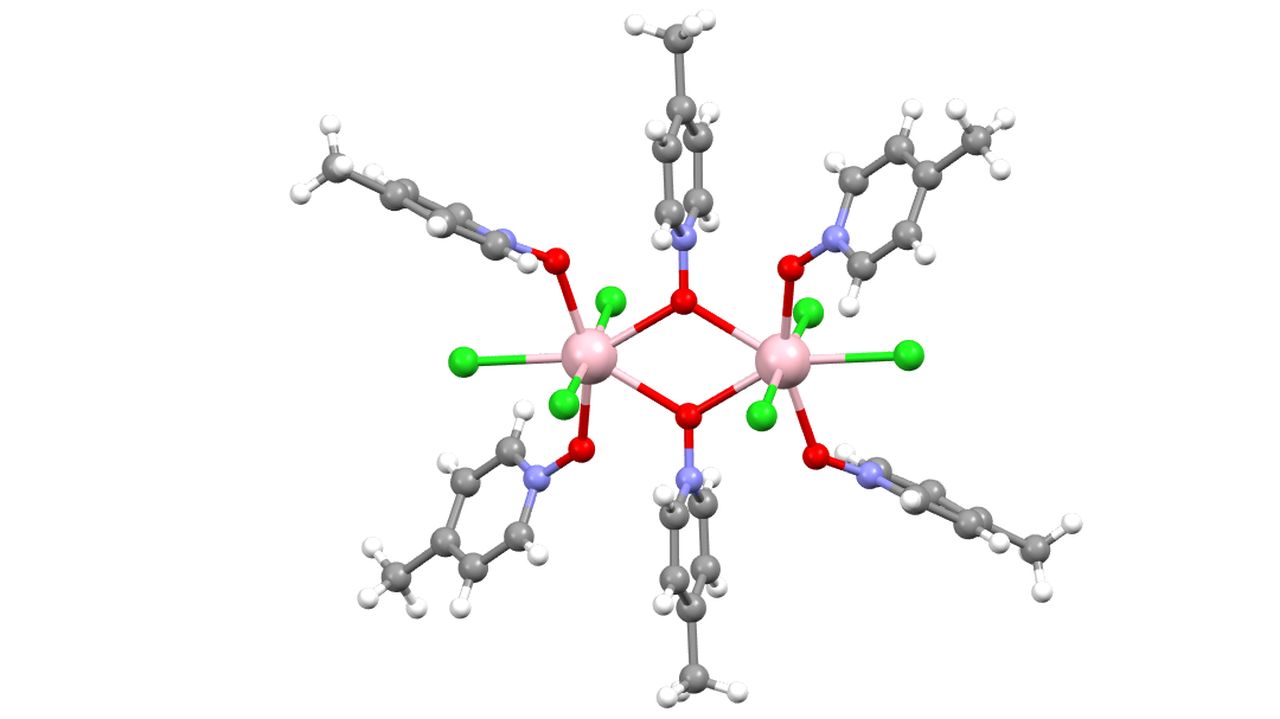
Based on the Europium(III) scientists aim to  advance the development of Quantum Computers. (S. Kuppusamy, KIT)
Based on the Europium(III) scientists aim to advance the development of Quantum Computers. (S. Kuppusamy, KIT)

Light can be used to operate quantum information processing systems, e.g. quantum computers, quickly and efficiently. Researchers at Karlsruhe Institute of Technology (KIT) and Chimie ParisTech/CNRS have now significantly advanced the development of molecule-based materials suitable for use as light-addressable fundamental quantum units. As they report in the journal Nature Communications, they have demonstrated for the first time the possibility of addressing nuclear spin levels of a molecular complex of europium(III) rare-earth ions with light.

Whether in drug development, communication, or for climate forecasts: Processing information quickly and efficiently is crucial i...

Read More

Google conducts Largest Chemical Simulation on a Quantum Computer to date

Google conducts largest chemical simulation on a quantum computer to date
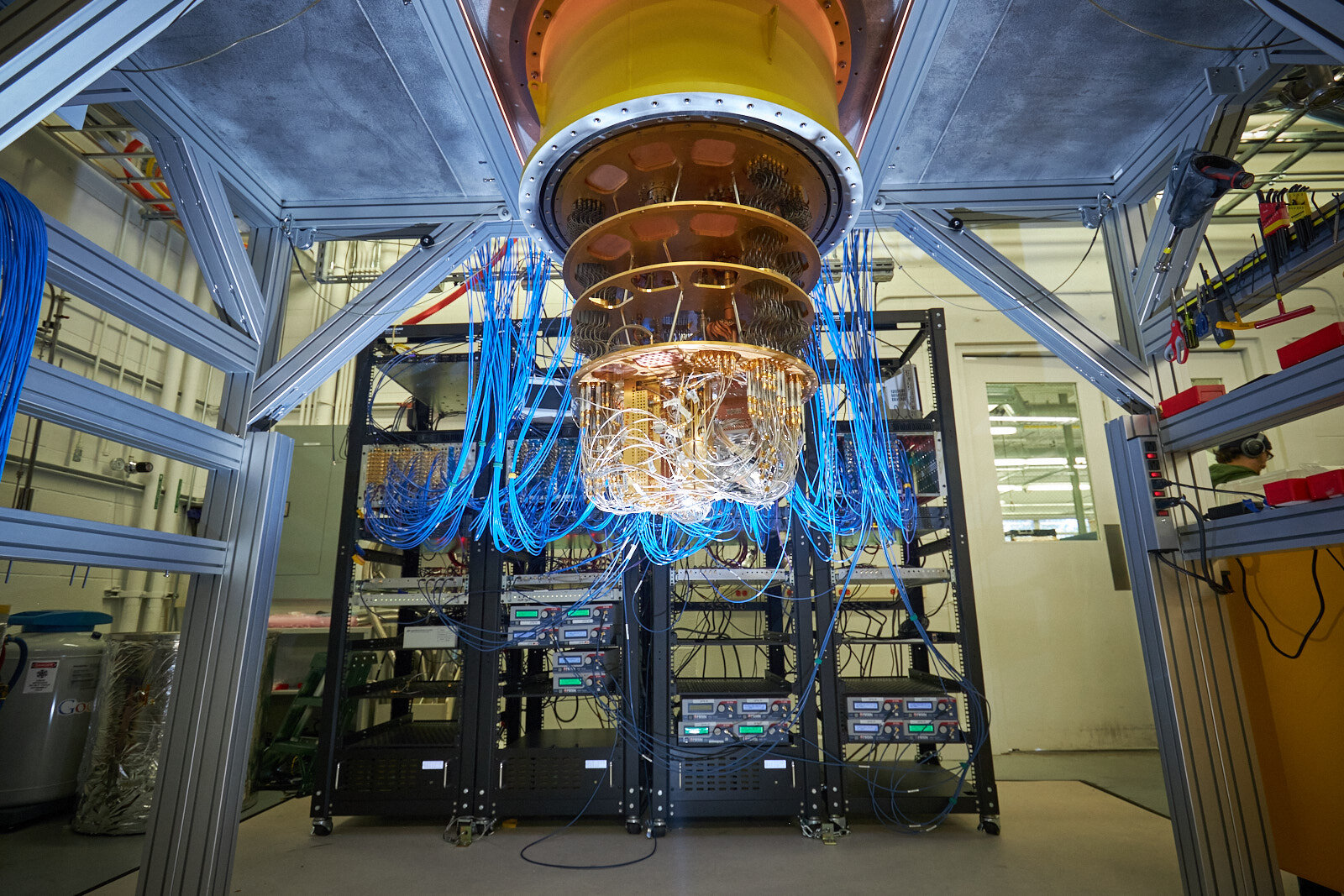
Google’s Sycamore processor mounted in a cryostat, recently used to demonstrate quantum supremacy and the largest quantum chemistry simulation on a quantum computer. Credit: Rocco Ceselin

A team of researchers with Google’s AI Quantum team (working with unspecified collaborators) has conducted the largest chemical simulation on a quantum computer to date. In their paper published in the journal Science, the group describes their work and why they believe it was a step forward in quantum computing. Xiao Yuan of Stanford University has written a Perspective piece outlining the potential benefits of quantum computer use to conduct chemical simulations and the work by the team at AI Quantum, published in the same journal issue.

Developing an ability to predict chemical processes by si...

Read More

200 Times Faster than ever before: The Speediest Quantum Operation yet

 Two-qubit SWAP gate with truth table.

A group of scientists led by 2018 Australian of the Year Professor Michelle Simmons has achieved the first two-qubit gate between atom qubits in silicon – a major milestone on the team’s quest to build an atom-scale quantum computer. The pivotal piece of research was published today in the journal Nature.

A two-qubit gate is the central building block of any quantum computer – and the UNSW team’s version of it is the fastest that’s ever been demonstrated in silicon, completing an operation in 0.8 nanoseconds, which is ~200 times faster than other existing spin-based two-qubit gates.

In the Simmons’ group approach, a two-qubit gate is an operation between two electron spins – comparable to the role that classical logic gates play in con...

Read More

Faster Method to Read Quantum Memory

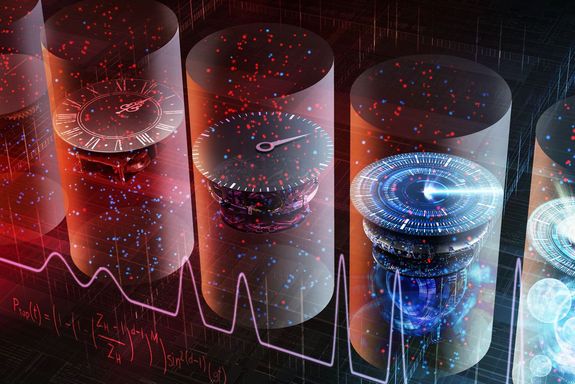
Artistic impression of qubit (blue chip) readout using the quantum states of a resonator (blue and red jets). Figure credit: Heikka Valja.

Scientists have developed a faster way to read information out of qubits, the basic building blocks of a quantum computer. The potential computing revolution that quantum computers have long promised is based on their weird property called superposition. Namely, qubits can take both logical states 0 and 1 simultaneously, on top of any value in between. By mastering superpositions of the whole quantum memory, quantum computers can quickly solve problems that would require too much computing time from regular computers working with simply 0s and 1s.

However, qubits are sensitive, and currently hold quantum information for less than a millisecond ...

Read More