
radio communications tagged posts

We can predict space weather—what if we could also stop it?

solar flare
Credit: CC0 Public Domain

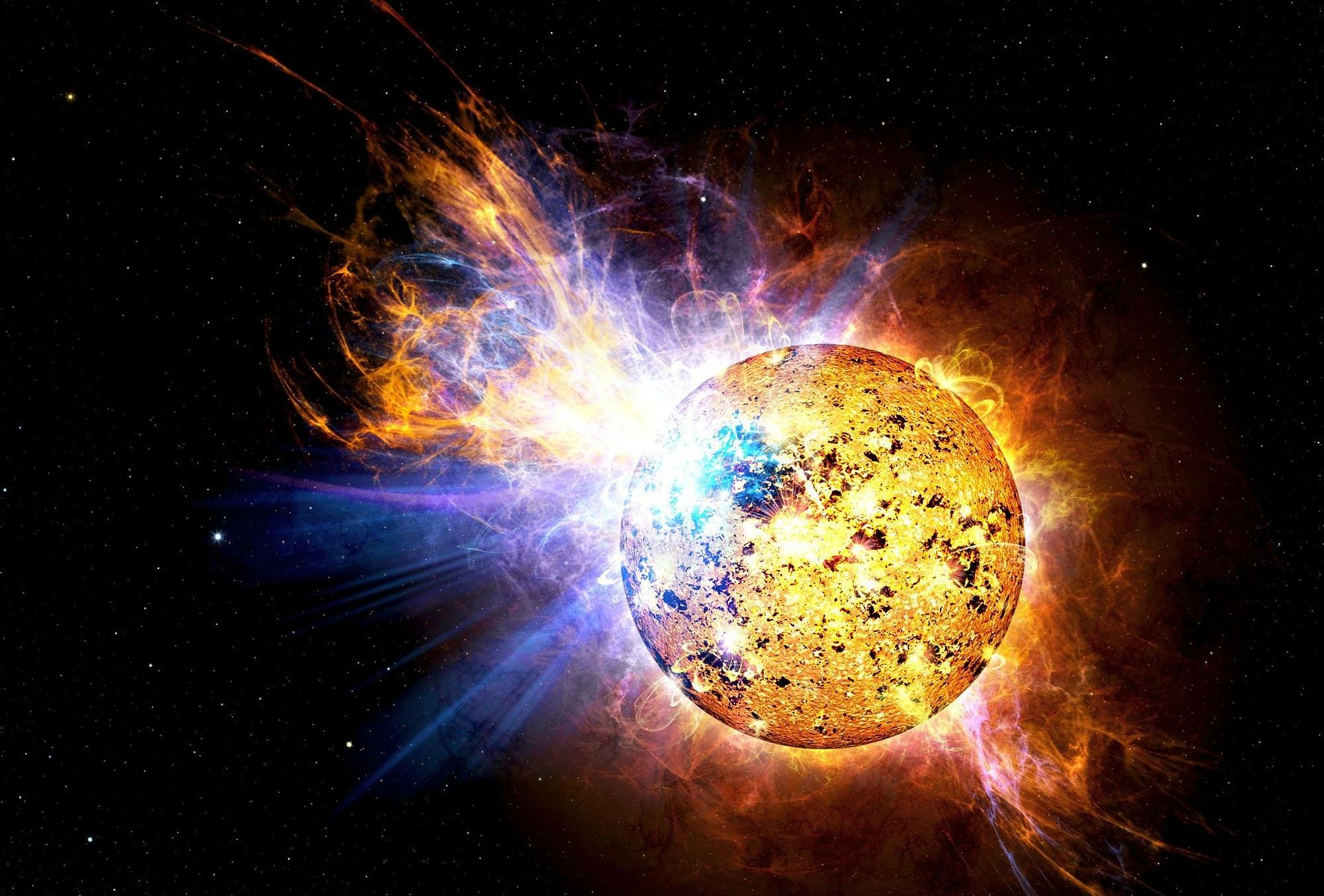
The weather on Earth can get pretty messy sometimes. But in space, it can be wild, and the effects can be far-reaching. Solar flares, giant explosions on the sun, can send out streams of energy that block radio communications and fry satellite electronics. Geomagnetic storms, caused by variations in solar wind, can mess with GPS signals and spark current surges on Earth that overload power grids.

The impact of space weather isn’t limited to temporarily losing electricity or digging out dusty paper maps for directions when satellite navigation systems fail. Every electronic financial transaction in the world, for instance, relies on time stamps sent by satellite systems...

Read More

Sensor with 100,000 times Higher Sensitivity could Bolster Thermal Imaging

The graphene bolometer sensor detects electromagnetic radiation by measuring the temperature rise as the photons are absorbed into the sensor. Graphene is a two dimensional, one-atom layer thick material. The researchers achieved a high bolometer sensitivity by incorporating graphene in the microwave antenna.

Better detection of microwave radiation will improve thermal imaging, electronic warfare, radio communications. Army-funded research developed a new microwave radiation sensor with 100,000 times higher sensitivity than currently available commercial sensors. Researchers said better detection of microwave radiation will enable improved thermal imaging, electronic warfare, radio communications and radar.

Researchers published their study in the peer-reviewed journal Nature...

Read More