
reduce inflammation tagged posts

How intermittent fasting may shield the brain from chronic stress

Intermittent Fasting Mouse Study
Credit: Image generated by the editorial team using AI for illustrative purposes.

Chronic stress, the prolonged exposure to psychological and/or physical strain, is known to be a risk factor for depression, anxiety and some other psychiatric disorders. Past studies suggest that chronic stress disrupts the integrity of myelin, a fatty insulating layer that surrounds nerve fibers and helps electrical signals travel efficiently between brain cells.

Identifying lifestyle changes that can reverse or diminish the adverse effects of chronic stress on the brain could be advantageous, as they could potentially help prevent or delay the onset of various psychiatric conditions...

Read More
Some benefits of Exercise stem from the Immune System, suggests new study

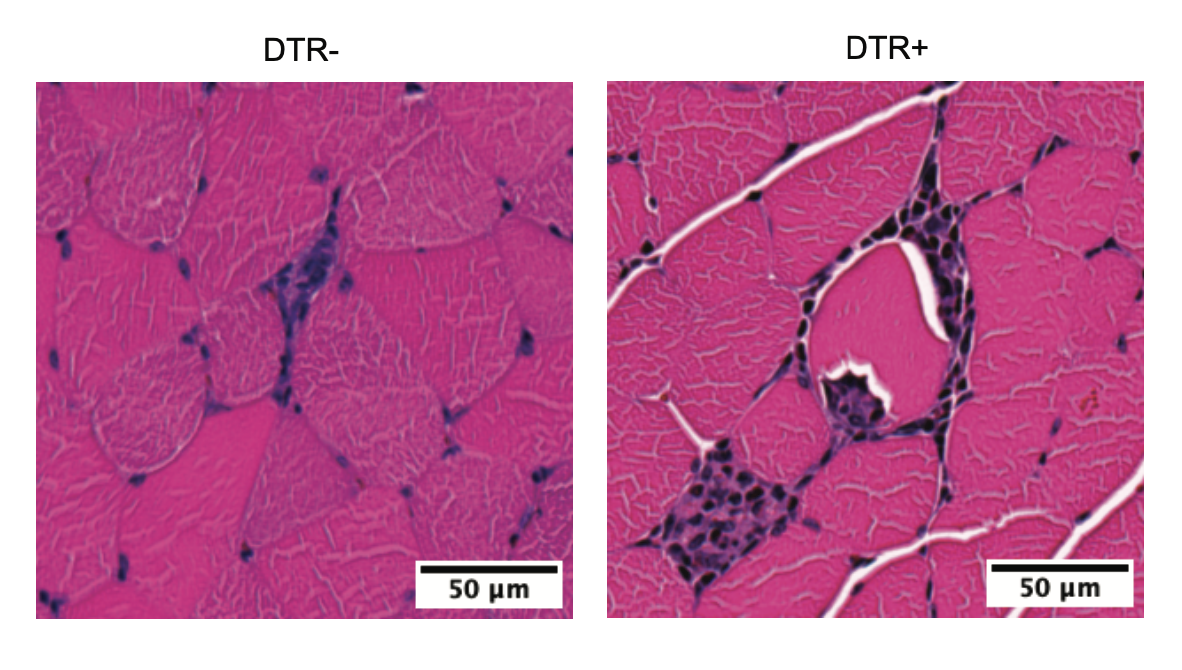
Two images comparing inflammation in hindleg muscles of mice
The hind leg muscles of mice lacking Treg cells (right) showed prominent signs of inflammation after regular exercise, compared with those of mice with intact Tregs (left). The research showed that this uncontrolled inflammation negatively impacted muscle metabolism and function. Images: Kent Langston/Mathis Lab, HMS

The connection between exercise and inflammation has captivated the imagination of researchers ever since an early 20th-century study showed a spike of white cells in the blood of Boston marathon runners following the race.

Now, a new Harvard Medical School study published in Science Immunology may offer a molecular explanation behind this century-old observation.

The study, in mice, suggests that the beneficial effects of exercise may be driven, at least partly, by ...

Read More

Vitamin D may Improve Sunburn, according to new clinical trial

Sunburn. Credit: © jivimages / Fotolia

Sunburn. Credit: © jivimages / Fotolia

High doses of vitamin D taken 1 hour after sunburn significantly reduce skin redness, swelling, and inflammation, according to double-blinded, placebo-controlled clinical trial out of Case Western Reserve University School of Medicine and University Hospitals Cleveland Medical Center. The trial results were recently published in the Journal of Investigative Dermatology.

In the study, 20 participants were randomized to receive a placebo pill or 50,000, 100,000, or 200,000 IU of vitamin D one hour after a small UV lamp “sunburn” on their inner arm. Researchers followed up with the participants 24, 48, 72 hours and 1 week after the experiment and collected skin biopsies for further testing...

Read More