
SARS-CoV-2 tagged posts

SARS-CoV-2 can Infect Dopamine Neurons causing Senescence

SARS-CoV-2 can infect dopamine neurons causing senescence
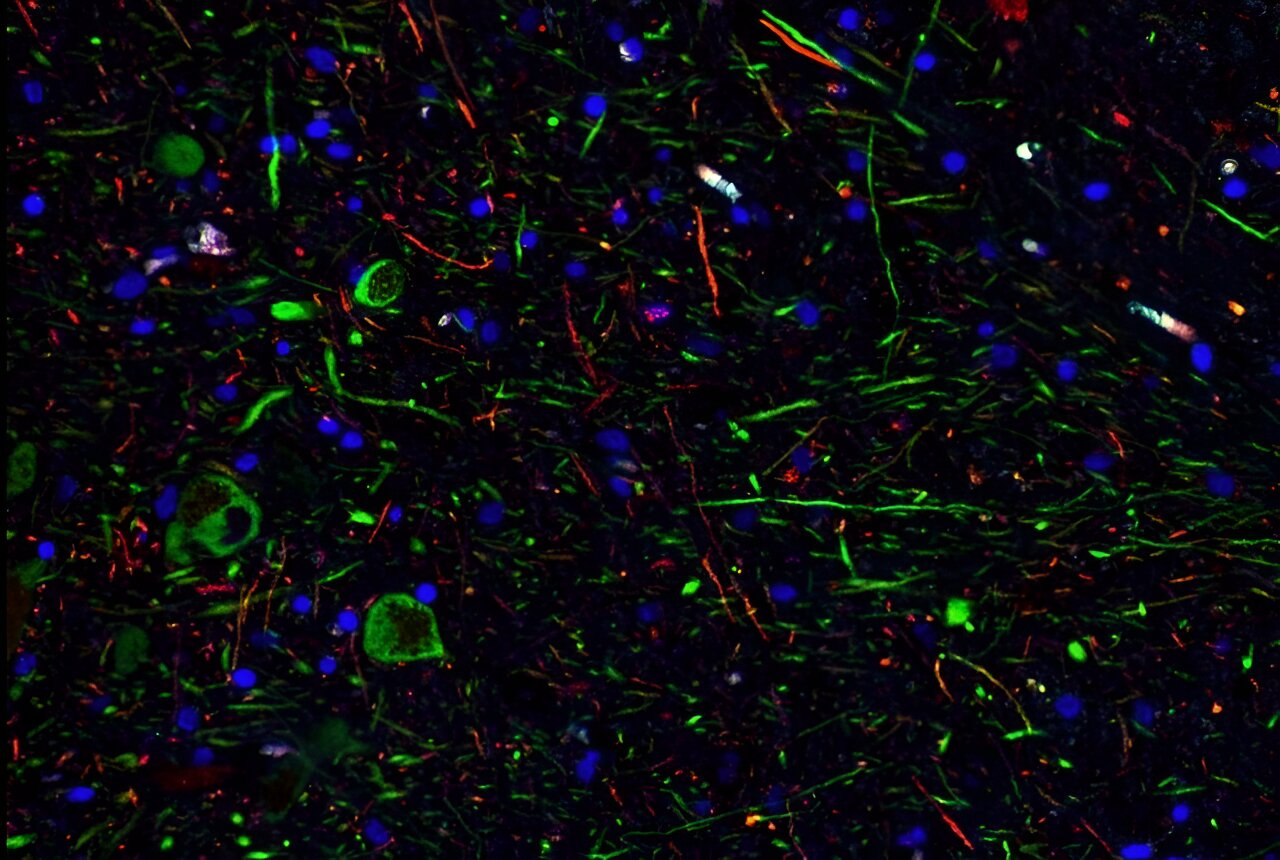
Stained tissue from the midbrain of a COVID-19 patient shows DNA in the cells’ nuceli (blue), dopamine neurons (green) and phosphor-alpha-synuclein (red). Credit: Liuliu Yang

A new study reported that SARS-CoV-2, the virus that causes COVID, can infect dopamine neurons in the brain and trigger senescence—when a cell loses the ability to grow and divide. The researchers from Weill Cornell Medicine, Memorial Sloan Kettering Cancer Center, and Columbia University Vagelos College of Physicians and Surgeons suggest that further research on this finding may shed light on the neurological symptoms associated with long COVID, such as brain fog, lethargy, and depression.

The findings, published in Cell Stem Cell on Jan...

Read More
Study reveals how Young Children’s Immune Systems Tame SARS-CoV-2

virus
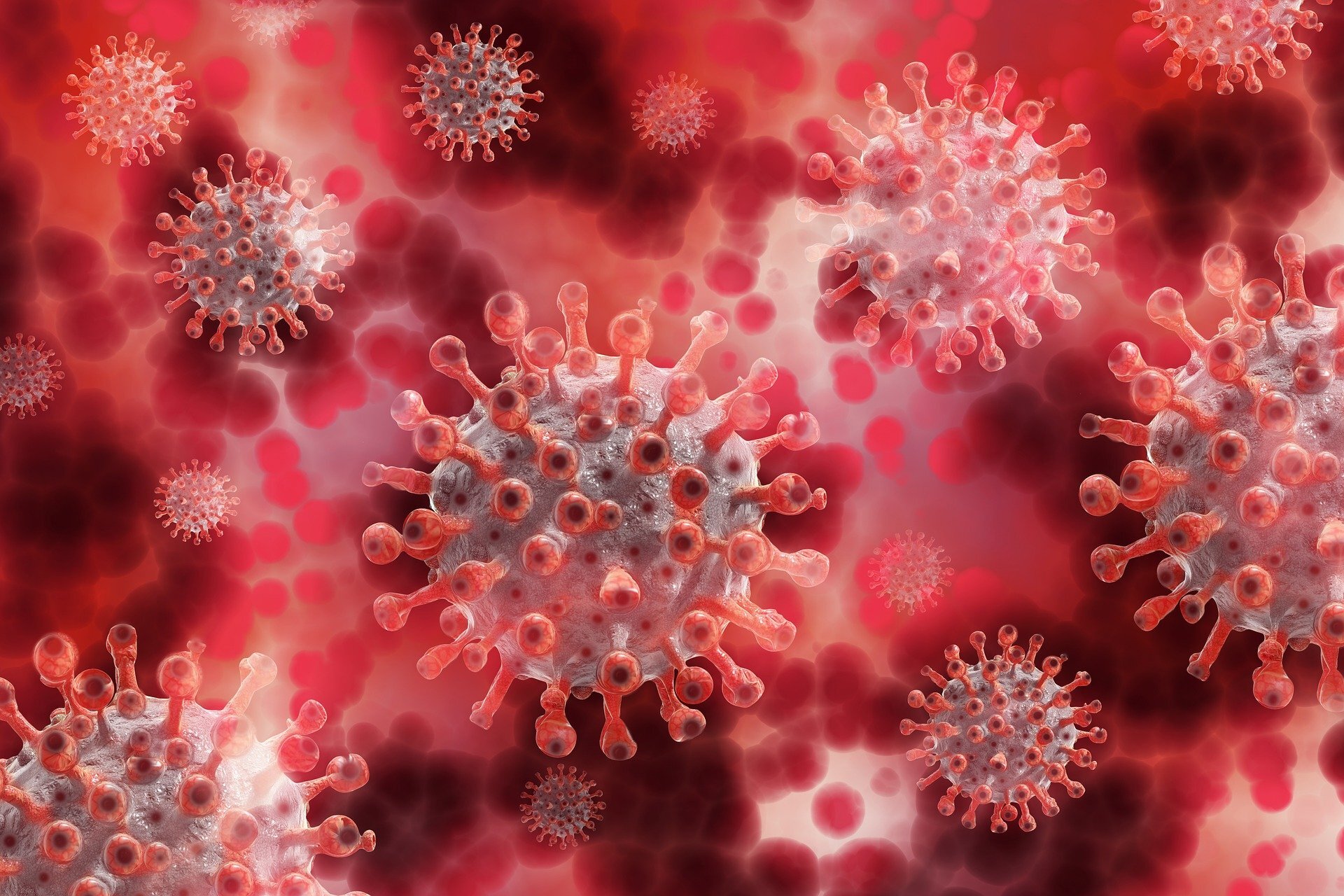
Credit: Pixabay/CC0 Public Domain

New research helps explain why young children have lower rates of severe COVID-19 than adults. A study of infants and young children found those who acquired SARS-CoV-2 had a strong, sustained antibody response to the virus and high levels of inflammatory proteins in the nose but not in the blood. This immune response contrasts with that typically seen in adults with SARS-CoV-2 infection. The research was published in the journal Cell.

The investigation involved 81 full-term infants and young children whose mothers enrolled in a NIAID-supported cohort study at Cincinnati Children’s during their third trimester of pregnancy. The study team trained mothers to collect weekly nasal swabs from their infants starting when the babies were 2 weeks old...

Read More

Surprise COVID Discovery Helps Explain How Coronaviruses Jump Species

DNA-tethering and fusion of SARS-CoV-2 pseudoviruses and virus-like particles (VLP). The experiment design is schematized in panel (a), where DNA-functionalized viral particles are added to a microfluidic flow cell and allowed to bind to protein-free liposomes functionalized with complementary DNA. After unbound particles are washed away, fusion is initiated by addition of a soluble protease and monitored via lipid mixing, detected as fluorescence dequenching of Texas Red dye in the VLP or pseudoviral envelope. Representative images of a 10.1 × 9.6 μm sub-micrograph before and after lipid mixing are shown in panel (b) with a fusing particle outlined in magenta. The corresponding fluorescence intensity trace is plotted in panel (c).

Unexpected new insights into how COVID-19 infects ce...

Read More

Experimental ‘Decoy’ Protects Against SARS-CoV-2 Infection

An experimental “decoy” has provided long-term protection from infection by the pandemic virus in mice, a new study finds. Led by researchers at NYU Grossman School of Medicine, the work is based on how the virus that causes COVID-19, SARS-CoV-2, uses its spike protein to attach to a protein on the surface of the cells that line human lungs. Once attached to this cell surface protein, called angiotensin converting enzyme 2 (ACE2), the virus spike pulls the cell close, enabling the virus to enter the cell and hijack its machinery to make viral copies.

Earlier in the pandemic, pharmaceutical companies designed monoclonal antibodies to glom onto the spike and neutralize the virus. Treatment of patients soon after infection was successful in preventing hospitalization and death...

Read More