soft robotics tagged posts

Pea-size liquid-metal pump runs robot butterfly on under 0.1 V

Pea-size liquid-metal pump runs robot butterfly on under 0.1 V

Engineers have invented an ingenious liquid-metal pump that could make future soft robotics and wearable devices much more portable and agile. The innovation, led by the University of Bristol and published in the journal Nature Communications, presents a low-voltage power source with the potential to transform robotic systems for a wide range of applications, from robotic legs to haptic gloves used in medical and industrial settings.

The researchers have demonstrated the varied uses of this innovative technique by creating three prototypes including robotic butterfly wings, a color-changing bracelet, and a haptic fingertip pouch connected to an adjustable wristband which squeezes to simulate natural tactile sensations.w

Current technologies are powered by bulky compressors or ri...

Read More
New Ferroelectric Material could give Robots Muscles

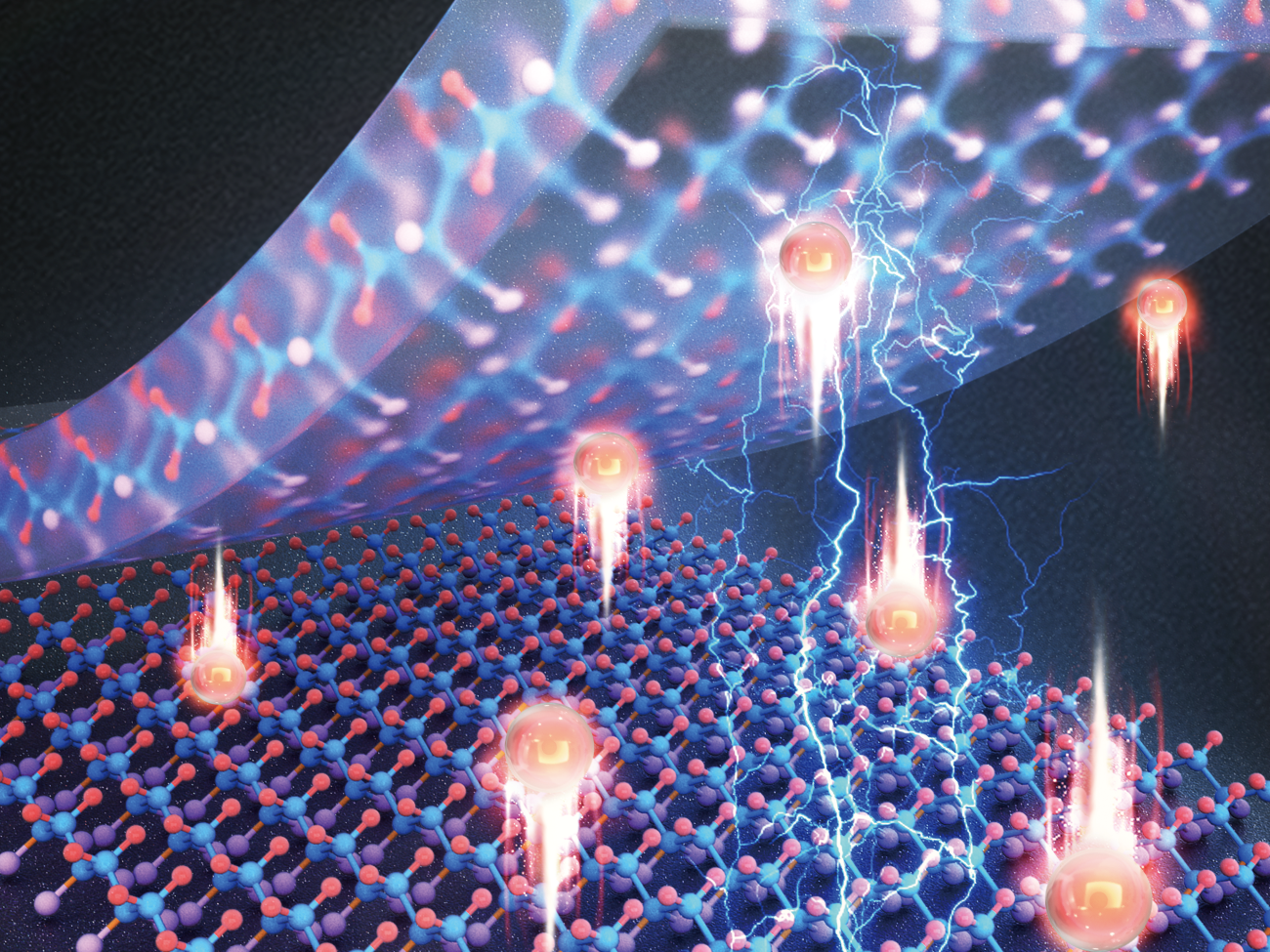
Actuation of ferroelectric polymers driven by Joule heating
Actuation of ferroelectric polymers driven by Joule heating.  Credit: Qing Wang. All Rights Reserved.

A new type of ferroelectric polymer that is exceptionally good at converting electrical energy into mechanical strain holds promise as a high-performance motion controller or “actuator” with great potential for applications in medical devices, advanced robotics, and precision positioning systems, according to a team of international researchers led by Penn State.

Mechanical strain, how a material changes shape when force is applied, is an important property for an actuator, which is any material that will change or deform when an external force such as electrical energy is applied...

Read More

‘Super Jelly’ can survive being Run Over by a Car

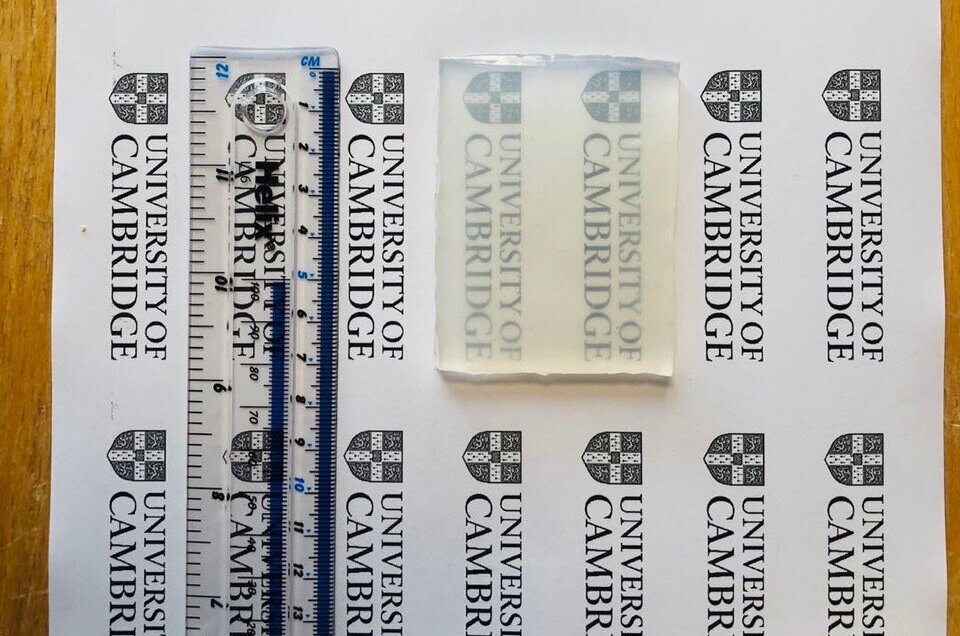
Researchers have developed a jelly-like material that can withstand the equivalent of an elephant standing on it, and completely recover to its original shape, even though it’s 80% water.

The soft-yet-strong material, developed by a team at the University of Cambridge, looks and feels like a squishy jelly, but acts like an ultra-hard, shatterproof glass when compressed, despite its high water content.

The non-water portion of the material is a network of polymers held together by reversible on/off interactions that control the material’s mechanical properties. This is the first time that such significant resistance to compression has been incorporated into a soft material.

The ‘super jelly’ could be used for a wide range of potential applications, including soft robotics,...

Read More

Air-powered Computer Memory helps Soft Robot Control Movements

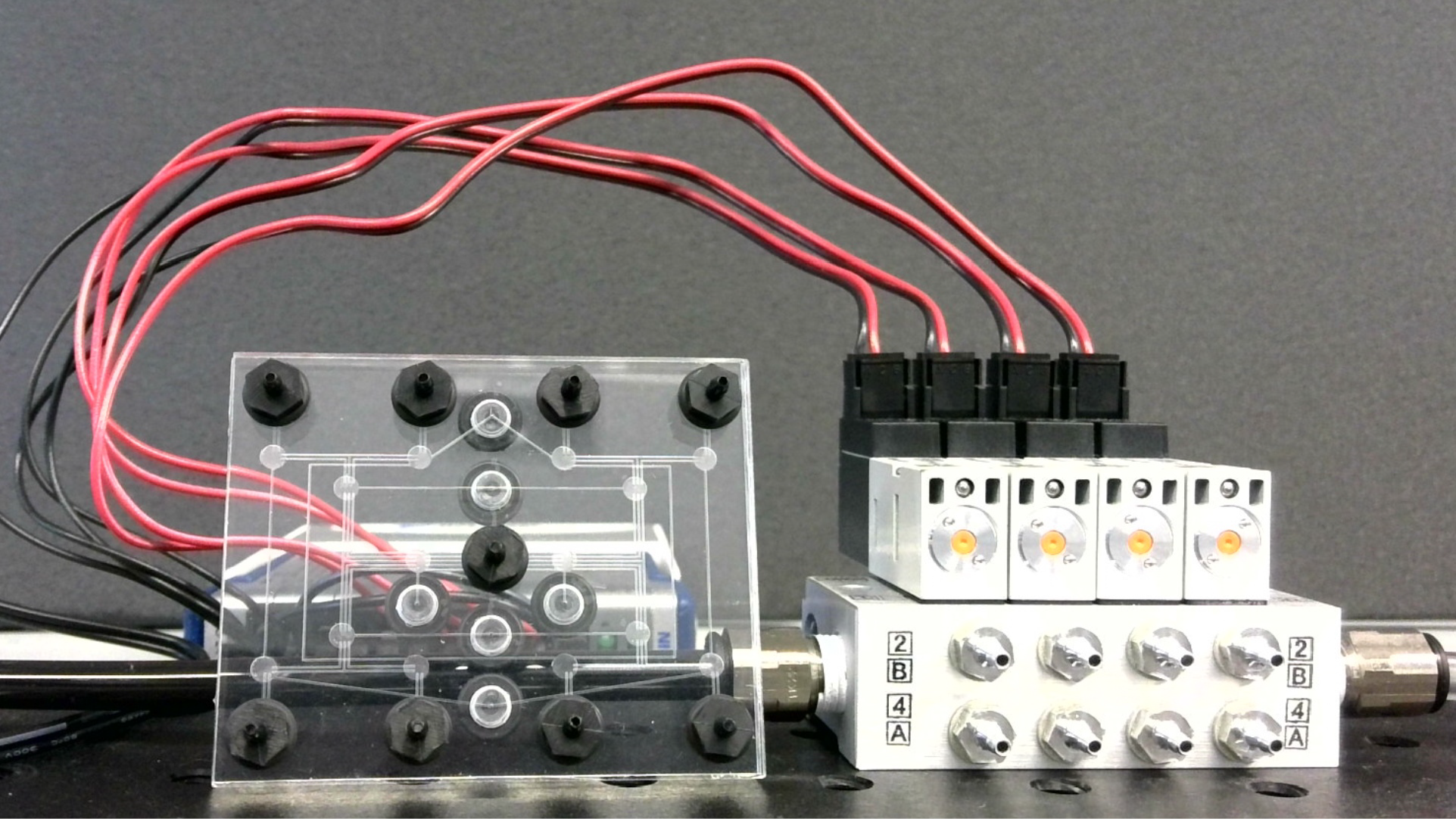
An 8-bit pneumatic RAM chip used to help a soft robot control its movements. (William Grover)

“Airhead” robot uses pneumatic RAM to play piano. Engineers at UC Riverside have unveiled an air-powered computer memory that can be used to control soft robots. The innovation overcomes one of the biggest obstacles to advancing soft robotics: the fundamental mismatch between pneumatics and electronics. The work is published in the open-access journal, PLOS One.

Pneumatic soft robots use pressurized air to move soft, rubbery limbs and grippers and are superior to traditional rigid robots for performing delicate tasks. They are also safer for humans to be around. Baymax, the healthcare companion robot in the 2014 animated Disney film, Big Hero 6, is a pneumatic robot for good reason.

Read More