
Space Travel tagged posts

What space travel teaches us about sleep and circadian rhythms

What space travel teaches us about sleep and circadian rhythmsn

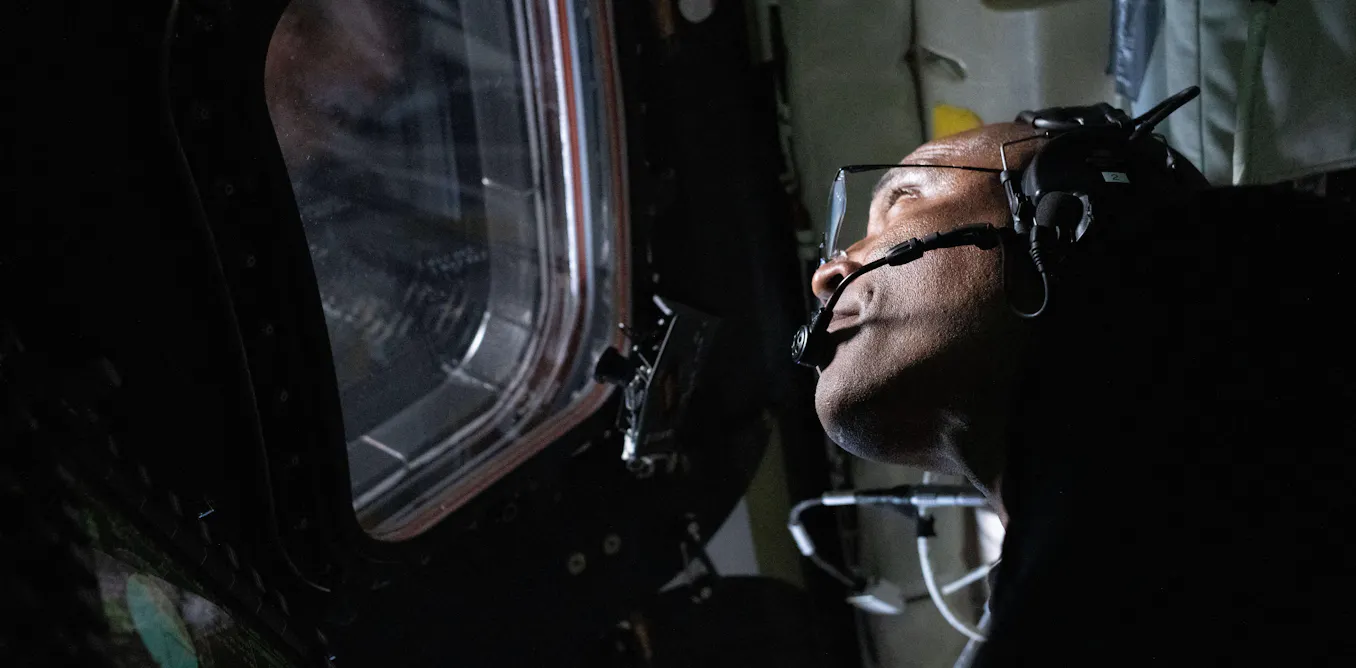
On Earth, most of us rarely have to think about the signals that keep our internal clocks aligned. The sun rises, daylight changes, darkness arrives and morning comes again.

Our bodies have evolved alongside this roughly 24-hour cycle. Light is one of the strongest signals our bodies use to synchronize the circadian clock. But what happens when the sun no longer provides a reliable schedule?

A spacecraft orbits Earth roughly every 90 minutes, so astronauts experience about 16 sunrises and sunsets every 24 hours. They cannot go to sleep every time the sun disappears—but their bodies still need to know when it is time to sleep, wake, eat, exercise and work.

This makes spaceflight more than just an engineering cha...

Read More
Low Gravity in Space Travel found to Weaken and Disrupt Normal Rhythm in Heart Muscle Cells

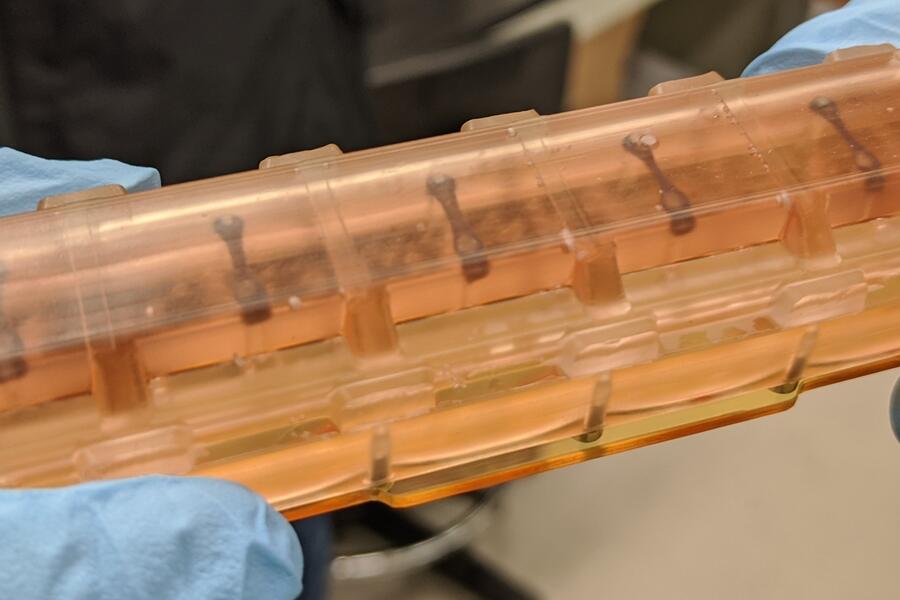
Heart tissues within one of the launch-ready chambers, held by two hands.
Heart tissues within one of the launch-ready chambers.
Credit:Jonathan Tsui

Johns Hopkins Medicine scientists who arranged for 48 human bioengineered heart tissue samples to spend 30 days at the International Space Station report evidence that the low gravity conditions in space weakened the tissues and disrupted their normal rhythmic beats when compared to Earth-bound samples from the same source.

The scientists said the heart tissues “really don’t fare well in space,” and over time, the tissues aboard the space station beat about half as strongly as tissues from the same source kept on Earth.

The findings, they say, expand scientists’ knowledge of low gravity’s potential effects on astronauts’ survival and health during long space missions, and they may serve as models for study...

Read More

Impacts of Space Travel on Astronauts’ Eye Health

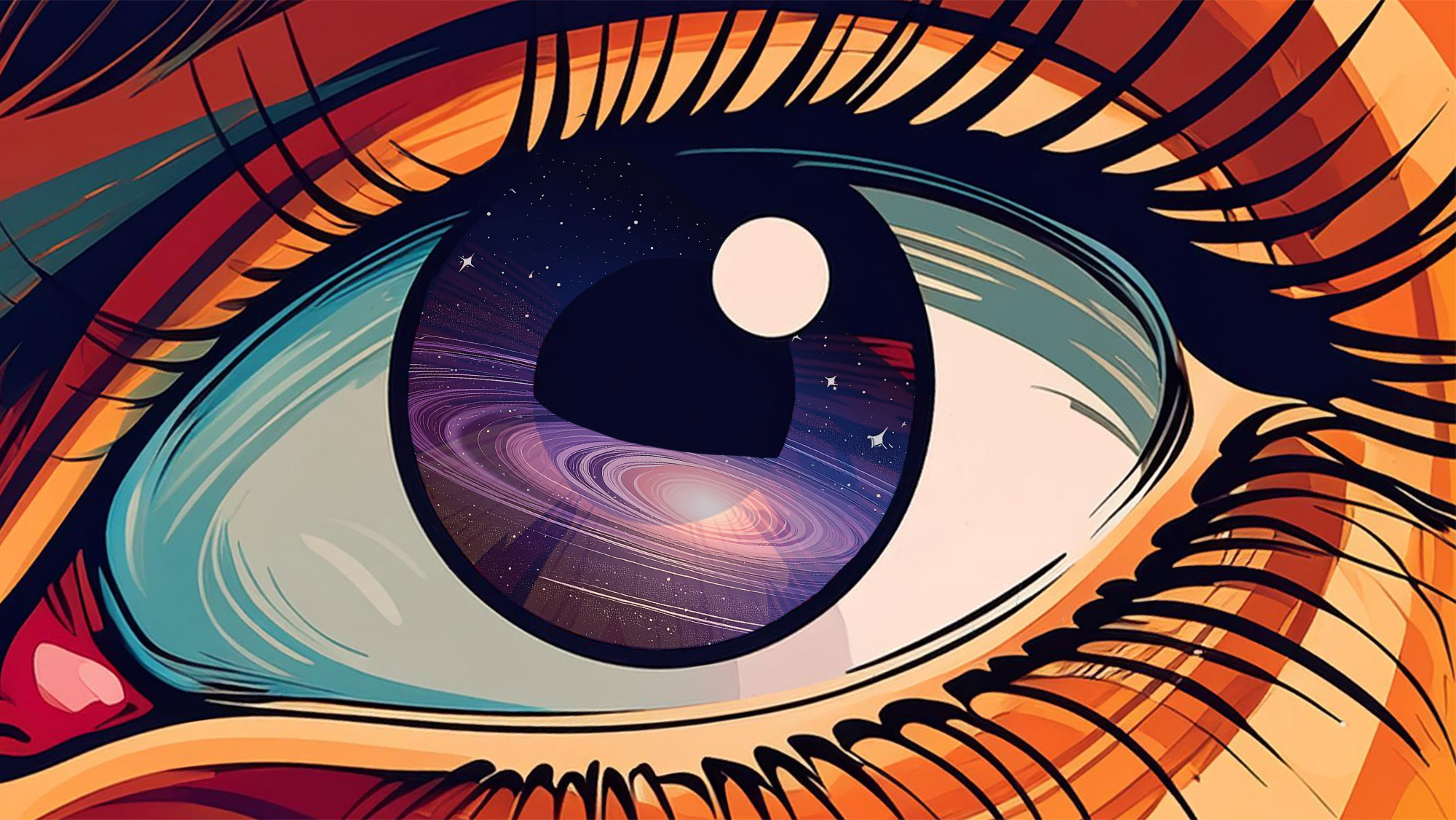
A graphic of an eye reflecting a galaxy.
Image: Kaitlyn Johnson/Texas A&M Engineering

As space travel becomes more common, it is important to consider the impacts of space flight and altered gravity on the human body. Led by Dr. Ana Diaz Artiles, researchers at Texas A&M University are studying some of those impacts, specifically effects on the eye.

Gravitational changes experienced by astronauts during space travel can cause fluids within the body to shift. This can cause changes to the cardiovascular system, including vessels in and around the eyes.

As the commercialization of space flight becomes more common and individual space travel increases, astronauts will not be the only ones experiencing these changes...

Read More

New insights on Health effects of Long-duration Space Flight

snow-capped peaks of the Andes Mountains, seen from the International Space Station
The snow-capped peaks of the Andes Mountains in southern Chile are pictured from the International Space Station as it orbited above South America in November 2020. Photo: National Aeronautics and Space Administration

Among the new findings, the research team found that chronic oxidative stress during spaceflight contributed to the telomere elongation they observed. They also found that astronauts had shorter telomeres after spaceflight than they did before.

The historic NASA Twins Study investigated identical twin astronauts Scott and Mark Kelly and provided new information on the health effects of spending time in space.

Colorado State University Professor Susan Bailey was one of more than 80 scientists across 12 universities who conducted research on the textbook experiment; M...

Read More