
spinach tagged posts

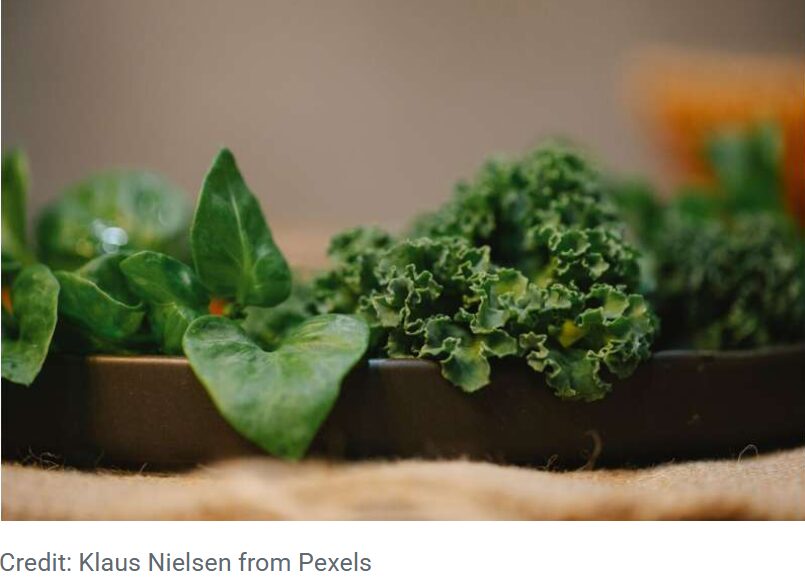
Greenpower: How spinach and kale could cut risk of chronic lung disease

Eating your greens could be the secret to breathing easier, with a new study from Edith Cowan University (ECU) revealing that people who eat more vitamin K1-rich foods such as leafy green vegetables may lower their risk of chronic lung disease. The paper is published in The American Journal of Clinical Nutrition.

Researchers from ECU’s Nutrition and Health Innovation Research Institute looked at the two main forms of vitamin K in our diet: K1, found in foods like spinach, kale and broccoli, and K2, found in meat, eggs and dairy.

They discovered that those who ate the most vitamin K1 were less likely to develop chronic obstructive pulmonary disease (COPD).

Almost half a million Australians have COPD, a life-threatening, worsening lung condition that makes it hard to breathe.

...Read More

Avoiding Inflammatory foods can Lower Heart disease, Stroke risk

Dietary Inflammatory Potential and Risk of Cardiovascular Disease Among Men and Women in the U.S.

Study further examines connection between inflammation and heart disease through impact of inflammatory food consumption. Diets high in red and processed meat, refined grains and sugary beverages, which have been associated with increased inflammation in the body, can increase subsequent risk of heart disease and stroke compared to diets filled with anti-inflammatory foods according to a study published today in the Journal of the American College of Cardiology. A separate JACC study assessed the positive effects eating walnuts, an anti-inflammatory food, had on decreasing inflammation and heart disease risk.

Chronic inflammation has been shown to play an important role in the developme...

Read More

Getting the most out of Spinach: Maximizing the Antioxidant Lutein

Image result for Getting the most out of Spinach: Maximizing the Antioxidant Lutein

Liberation of lutein from spinach: Effects of heating time, microwave-reheating and liquefaction. Food Chemistry, 2019; 277: 573 DOI: 10.1016/j.foodchem.2018.11.023

Eat your spinach in the form of a smoothie or juice – this is the best way to obtain the antioxidant lutein, according to research from Linköping University, Sweden. High levels of lutein are found in dark green vegetables, and researchers at the university have compared different ways of preparing fresh spinach in order to maximise the levels of lutein in finished food. The findings are published in the journal Food Chemistry.

Many people with atherosclerosis (narrowing of the arteries) have low-grade, chronic inflammation that can be measured in the blood...

Read More

Eating Leafy Greens could help Prevent Macular Degeneration

Eating vegetable nitrates, found mainly in green leafy vegetables and beetroot, could help reduce your risk of developing early-stage age-related macular degeneration (AMD).

Eating vegetable nitrates, found mainly in green leafy vegetables and beetroot, could help reduce your risk of developing early-stage age-related macular degeneration (AMD).

A new study has shown that eating vegetable nitrates, found mainly in green leafy vegetables and beetroot, could help reduce your risk of developing early-stage age-related macular degeneration (AMD). Researchers at the Westmead Institute for Medical Research interviewed more than 2,000 Australian adults aged over 49 and followed them over a 15-year period.

The research showed that people who ate between 100 to 142 mgs of vegetable nitrates each day had a 35% lower risk of developing early AMD than people who ate less than 69mgs of vegetable nitrates each day...

Read More