
stroke tagged posts

Stroke triggers a hidden brain change that looks like rejuvenation

Stroke May Rejuvenate the Brain
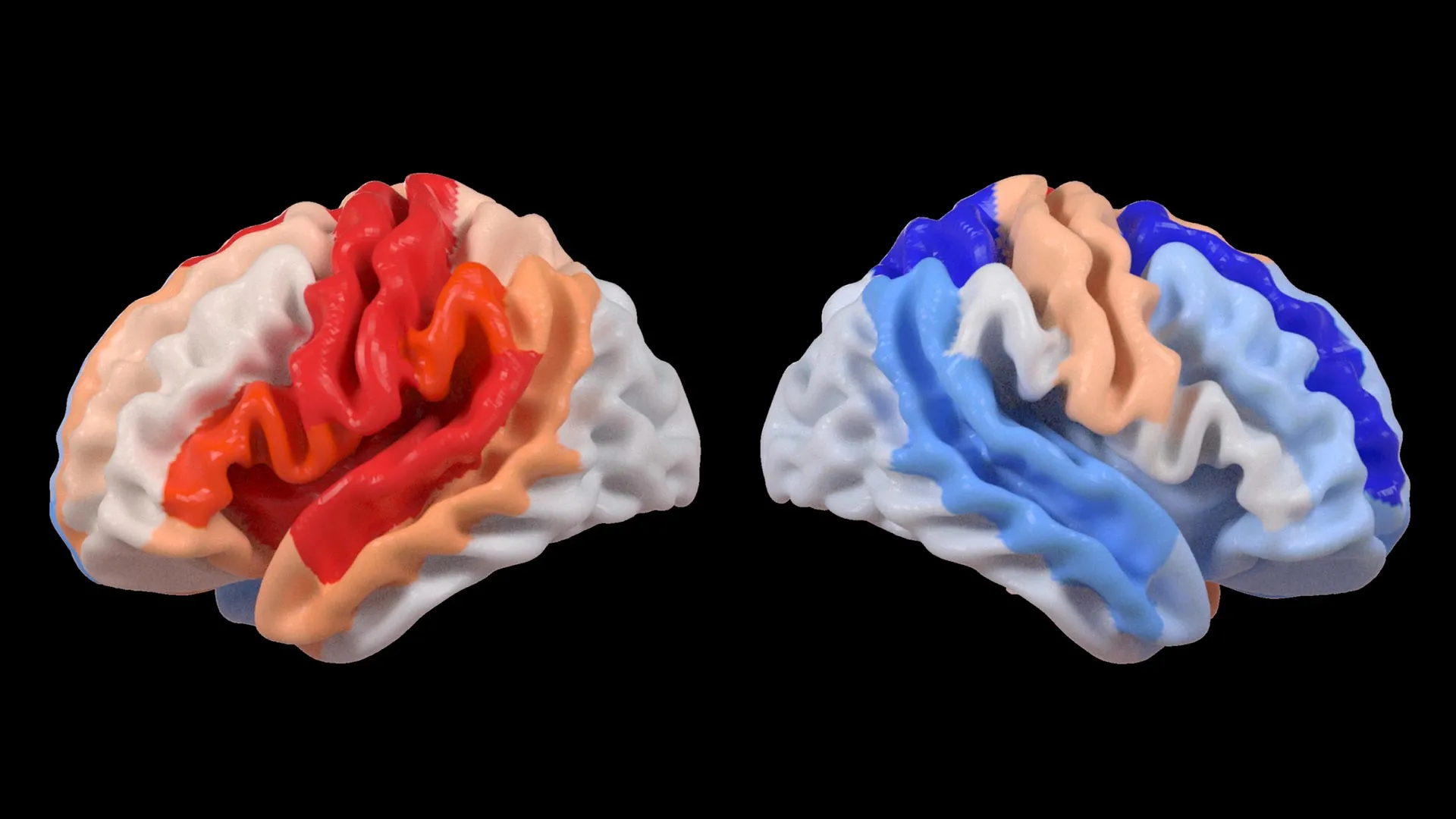
When a stroke damages brain tissue along an important movement pathway, the injured side of the brain may show faster aging (red), while parts of the opposite side may appear relatively “younger” (blue) as the brain tries to compensate. This pattern is linked to more severe movement problems and less recovery. Credit: Stevens INI

Stroke may secretly “rejuvenate” parts of the brain as it fights to recover.
After a stroke, the brain may do something surprisingly hopeful—it can “refresh” parts of itself. Researchers analyzing brain scans from over 500 stroke survivors found that while the damaged side of the brain appears to age faster, the opposite, unaffected side can actually look younger...
Read More

Six-hour ‘undo’ button: GAI-17 rewinds stroke damage and may beat Alzheimer’s

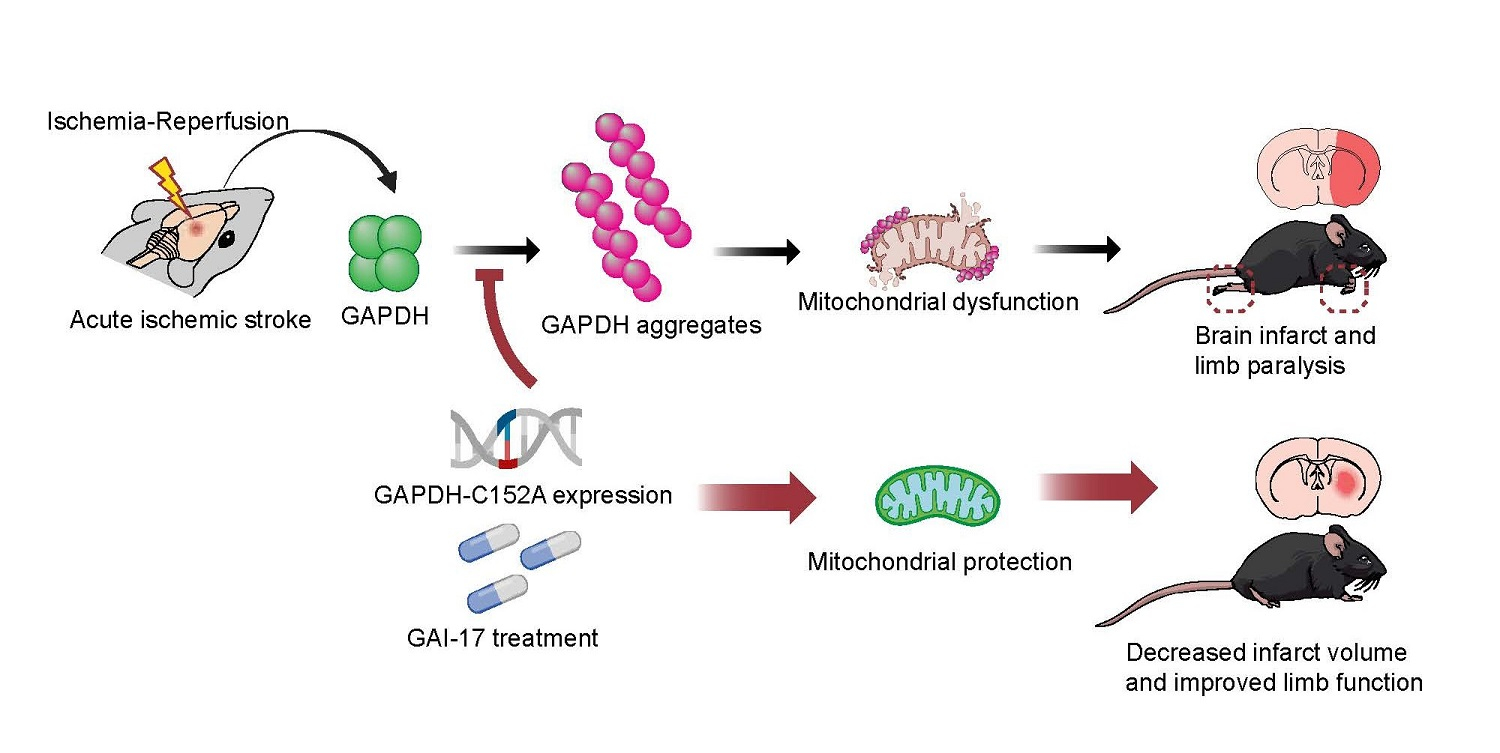
Beneficial effects of GAPDH-C152A expression and GAI-17 on acute ischemic stroke treatment in model mice
Ischemia-Reperfusion-induced GAPDH aggregates lead to cell death and paralysis, but both GAPDH-C152A expression and GAI-17 treatment can decrease the chances of post-stroke side effects.
Credit: Osaka Metropolitan University

Protein aggregation inhibitor shows lower levels of cell death and paralysis in mice with acute strokes.

Stroke kills millions, but Osaka researchers have unveiled GAI-17, a drug that halts toxic GAPDH clumping, slashes brain damage and paralysis in mice—even when given six hours post-stroke—and shows no major side effects, hinting at a single therapy that could also tackle Alzheimer’s and other tough neurological disorders.

Stroke is said to be the se...

Read More

Major sugar substitute found to impair brain blood vessel cell function, posing potential stroke risk

sugar substitute
Credit: Pixabay/CC0 Public Domain

Erythritol may impair cellular functions essential to maintaining brain blood vessel health, according to researchers at the University of Colorado Boulder. Findings suggest that erythritol increases oxidative stress, disrupts nitric oxide signaling, raises vasoconstrictive peptide production, and diminishes clot-dissolving capacity in human brain microvascular endothelial cells.

Erythritol has become a fixture in the ingredient lists of protein bars, low-calorie beverages, and diabetic-friendly baked goods. Its appeal lies in its sweetness-to-calorie ratio, roughly 60–80% as sweet as sucrose with a tiny fraction of the energy yield, and its negligible effect on blood glucose...

Read More

Traditional Chinese medicinal fungi might show potential for central nervous system diseases

Evaluating traditional Chinese medicinal fungi for bioactive potential
Central nervous system (CNS) diseases and characteristics (AD: Alzheimer’s disease; PD: Parkinson’s disease). Credit: Journal of Food Science (2025). DOI: 10.1111/1750-3841.70230

Shandong researchers suggest that edible and medicinal fungi contain bioactive components with therapeutic potential for central nervous system (CNS) diseases. Findings offer evidence for the potential of these fungi to serve as novel pharmaceuticals or functional foods in the treatment of CNS diseases.

Central nervous system (CNS) diseases involve complex pathophysiology, gradual symptom onset, and significant challenges in therapeutic evaluation...

Read More