



T cells tagged posts
The thymus hosts more ‘cellular teachers’ than we thought, study finds
October 31, 2025,
 Health/Medical, Biology/Biotechnology
Bisphenol A causes sex-specific changes in metabolism and the immune system, study reveals
October 30, 2025,
Health/Medical, Biology/Biotechnology

Even small amounts of bisphenol A can lead to long-term health effects. When researchers studied adult rats exposed in the fetal stage, they found that females had developed a more masculine and males a more feminine gene expression pattern. This led to females progressing towards a cancer-like state, while males progressed towards metabolic syndrome, which can increase the risk of diabetes and heart disease.
Bisphenol A is a synthetic chemical with estrogen-like properties that is commonly used in food packaging materials. The substance is banned in many products, but is still present in some packaging. Levels of bisphenol A in people’s bodies are often above levels considered safe, with previous research showing that the substance can cause adverse health effects.
Females masc...
Read MoreHow cancer hijacks the immune system by draining T cells’ energy
March 5, 2025,
Health/Medical, Biology/Biotechnology

Research into immunotherapy against cancer typically focuses on better recognition of cancer cells by the body’s own immune system. Researchers at Amsterdam UMC and Moffitt Cancer Center have taken a different approach.
They investigated how cancer affects the energy management of a patient’s T cells and showed for the first time that contact with chronic lymphocytic leukemia (CLL) cells leads to a serious energy crisis in these cells.
These findings are published in Cellular & Molecular Immunology, building on a publication in the Blood Journal.
CLL is the most common type of leukemia in the Western world and mainly affects the elderly. Despite new therapies, the disease remains incurable, and treatments are becoming increasingly expensive.
Some c...
Read MoreYour Immune Cells are what they Eat
December 16, 2024,
Health/Medical, Biology/Biotechnology
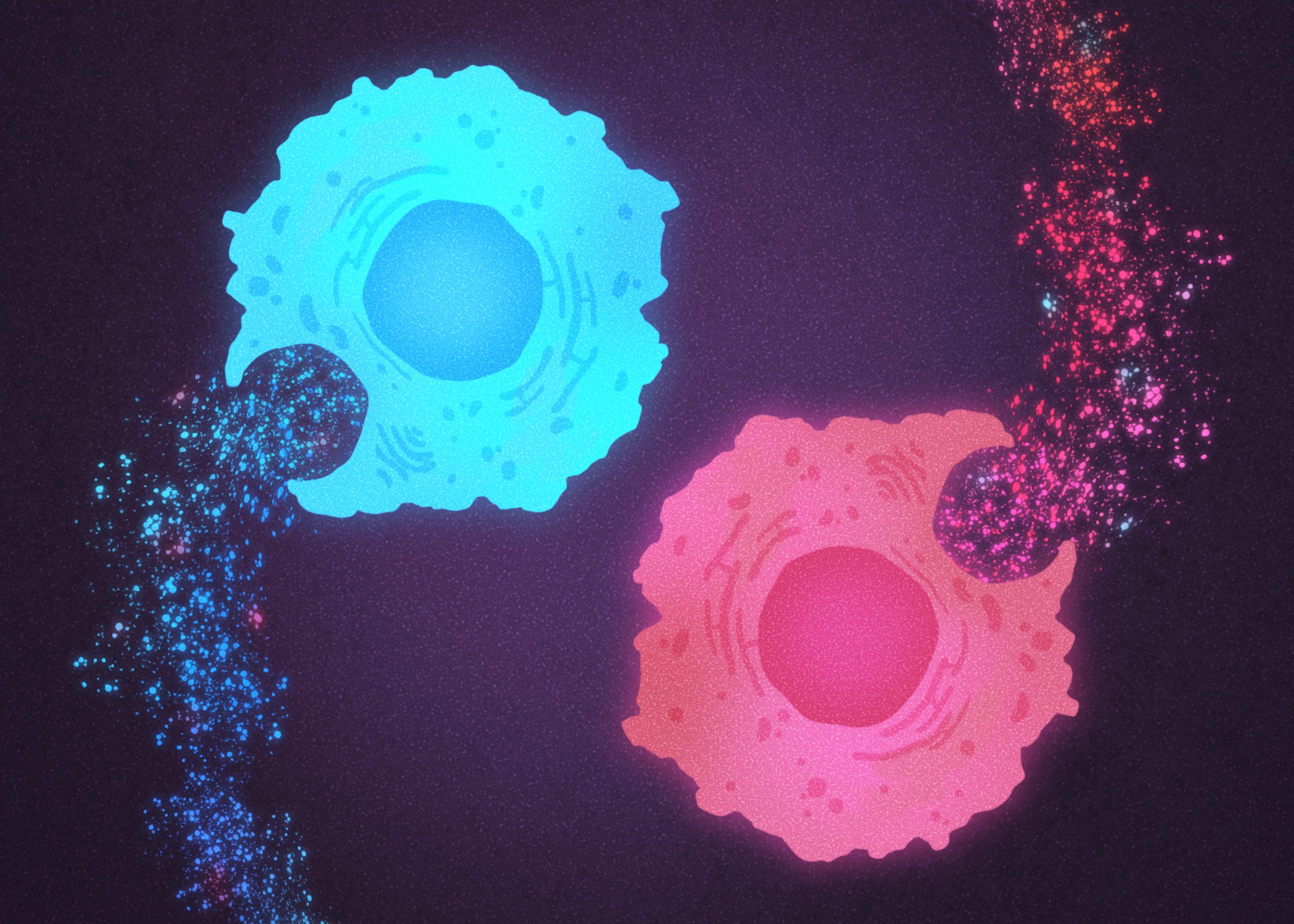
Click here for a high-resolution image.
Credit: Salk Institute
Salk scientists establish novel Link between cell nutrition and identity, say targeting nutrient-dependent activity could improve immunotherapies.
The decision between scrambled eggs or an apple for breakfast probably won’t make or break your day. However, for your cells, a decision between similar microscopic nutrients could determine their entire identity...
Read More
Recent Comments