T cells tagged posts

T cell warriors need their R&R

T cell warriors need their R & R

T cells, biology textbooks teach us, are the soldiers of the immune system, constantly on the ready to respond to a variety of threats, from viruses to tumors. However, without rest and maintenance T cells can die and leave their hosts more susceptible to pathogens, Yale scientists report May 27 in the journal Science.

“We may have to change how we teach T cell biology,” said Lieping Chen, the United Technologies Corporation Professor in Cancer Research at Yale and professor of immunobiology, of dermatology, and of medicine and senior author of the study.

Until pathogens are detected, T cells remain in a quiescent state. However, the molecular mechanisms that keep T cells inactive were previously unknown.

In the new study, Yale researchers show that a protein known as CD8a — ...

Read More

World-first discovery of Cornea T cells Protecting Eyes from Viral Infections

The cornea—the transparent protective outer layer of the eye critical to helping us see—produces a delicate and limited immune response to fight infections without damaging our vision, according to a new study from the Peter Doherty Institute for Infection and Immunity (Doherty Institute).

Published today in Cell Reports, the study has shown long-living memory T cells that patrol and fight viral infections are present in the cornea, upending current thought that T cells are not found in healthy corneas—expanding our understanding of the eye’s immune response to infections.

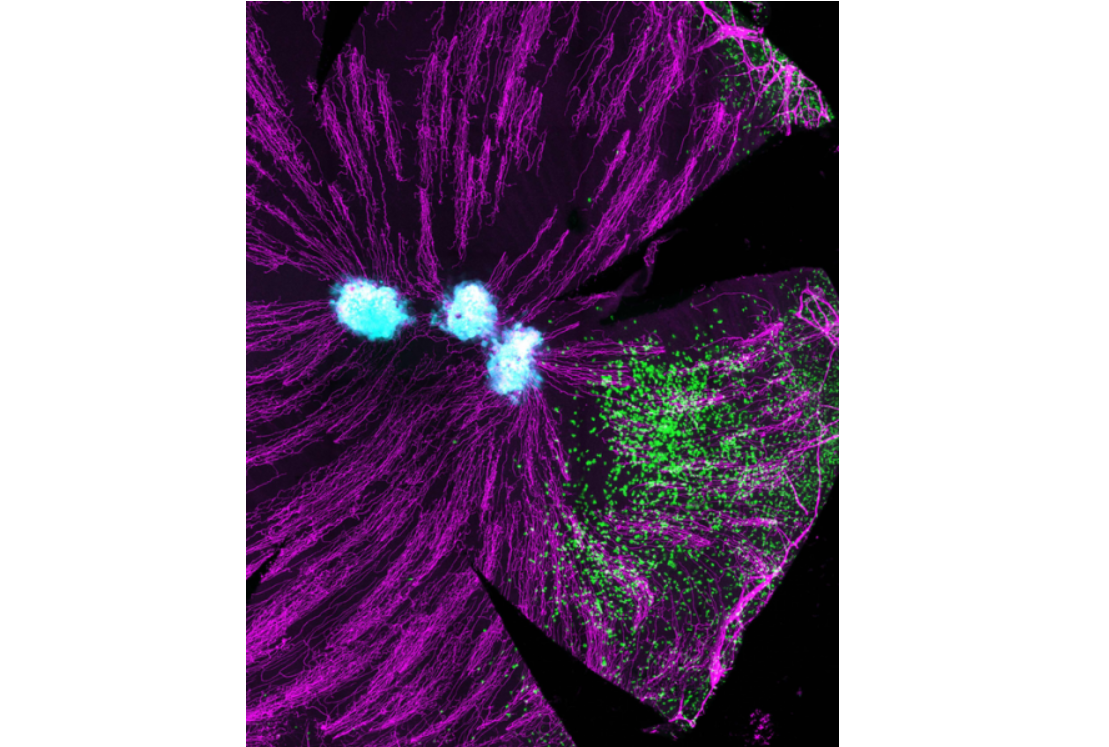
The team used a multiphoton microscope that provides live images of living, intact biological tissues to study cornea cells in mice infected with Herpes Simplex Virus.

Their images revealed long-livin...

Read More

RNA Binding Proteins help T cells pick their Weapons before Battle

Scientists at the Babraham Institute have shown that two RNA binding proteins hold the key to a stronger immune response to influenza in mice. Their findings, published today in Nature Communications, reveal that the absence of these proteins changes the potency of T cells that arise at the start on an infection. Further research could lead to implications for therapies that harness the immune system, and for vaccine design.

Researchers from the Turner lab focussed on the activity of the RNA binding proteins ZFP36 and ZFP36L1. By studying mice lacking these RNA binding proteins, the researchers were able to show that their absence in T cells during the initial phase of a viral infection leads to a superior cytotoxic immune response.

When the researchers infected mice with influe...

Read More

Burst of Accumulated Zinc shows how the Mineral Boosts Immune Function, suggesting ways to Improve Health

Dudakov Lab postdoctoral fellow Dr. Lorenzo Iovino discovered two ways that zinc helps boost the immune system.Photo by Robert Hood / Fred Hutch News Service

In mice, zinc helps thymus of the immune system regrow and immune-cell recovery after bone marrow transplant. Zinc’s immune-boosting properties are well-established, but scientists haven’t known exactly how it works. In a new study published online March 25 in the journal Blood, Fred Hutchinson Cancer Research Center scientists reveal two ways the mineral supports immunity and suggest how it could be used to improve health.

Using mice, the team discovered that zinc is needed for the development of disease-fighting immune T cells and prompts regeneration of the thymus, the immune organ that produces T cells.

“This study adds ...

Read More